CIC
Moving Forward with Care, Galloping Towards Safety

Moving Forward with Care, Galloping Towards Safety

As we enter the Year of the Horse, I would like to wish everyone in our industry a prosperous New Year and good health! As our craftsmen charge forward at full speed to build Hong Kong in this new year, we must always bear in mind our foundational aspiration: "Happiness at work, safe return home." Safety is the best gift for our families and the vital cornerstone of the construction industry!

Worker-Friendly Sites: Where Innovation Meets Care

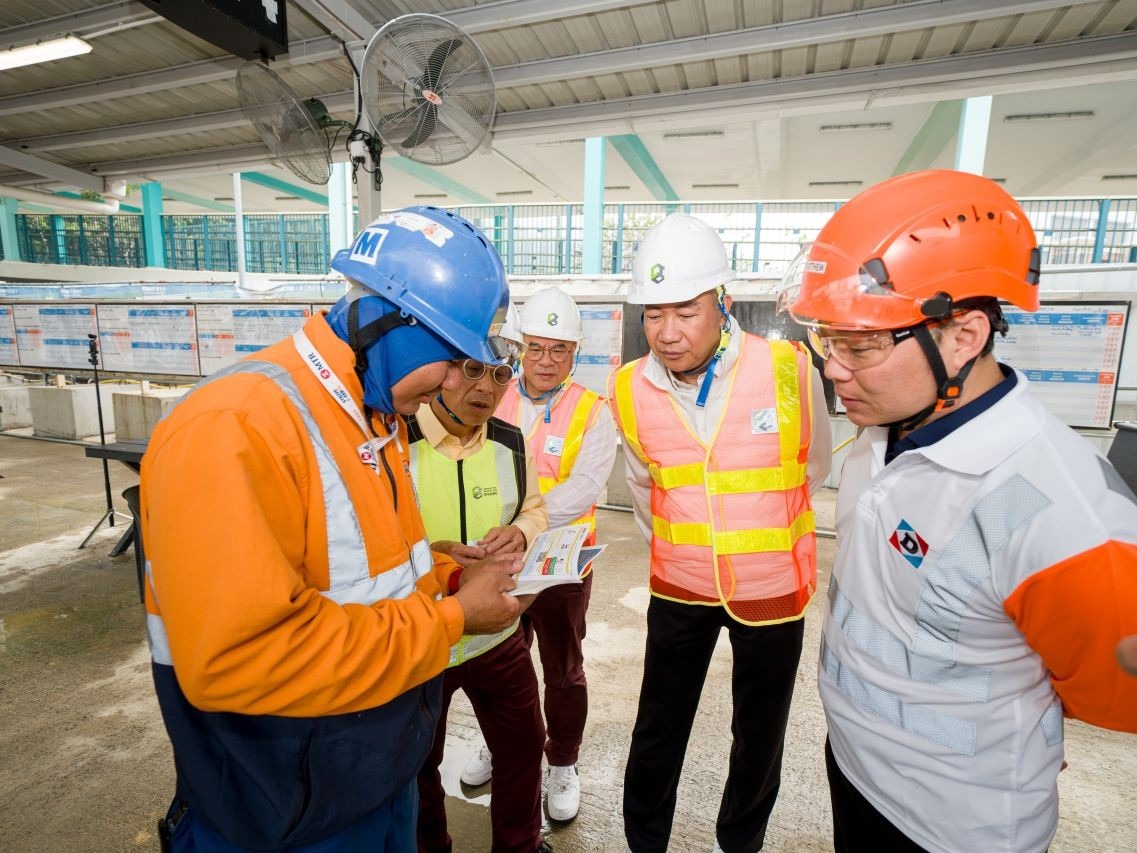
The CIC launched the "Worker-Friendly Construction Site" scheme earlier, aiming to encourage sites to actively improve the working environment and well-being of frontline workers, promoting a people-oriented and sustainable development for the construction industry. I was delighted to join industry partners in visiting several sites last month to personally present the "Worker-Friendly Construction Site" label to outstanding organisations, recognising their contributions to championing a culture of care.


During the site visits, I witnessed many exemplary models worthy of the industry's reference. The decoration and maintenance site of Gammon Construction Limited installed industrial air purifiers and welding fume extractors, maintained site tidiness and safety through simple anti-electrocution measures, and further optimised restroom facilities while conducting independent risk assessments for individual procedures. This embodies how the team can build a safer working environment just by going the extra mile. The award-winning site of Sanfield (Management) Limited introduced mobile resting pods, comprehensive external wall scaffolding sprinkler systems, and the intelligent "AI. Lift". These demonstrate the management team's agility in responding to site challenges while comprehensively enhancing safety protection. The Bouygues-Dragages Joint Venture site not only provided comfortable resting and dining areas but also set up tidy changing rooms and laundry rooms, allowing workers to feel respected and cared for during breaks. Furthermore, the site set up "Pre-work Activity Boards" and "Pre-work Activity Question Cards" to encourage workers to conduct safety briefings and interactive exchanges before work commences everyday. This is an excellent example of combining "care and safety awareness."


These 548 "Worker-Friendly Construction Sites" truly demonstrate that the coexistence of safety and care is not empty talk; every site can achieve this through concrete design and management. I sincerely invite the industry to work together to turn these best practices into the new normal, jointly promoting the comprehensive enhancement of worker well-being, safety protection, and technological innovation, ensuring the spirit of care is implemented in every corner!

Prevention at Source: Implementing Design for Safety Immediately

Apart from fostering a caring culture at frontline sites, the industry also needs to nip safety hazards in the bud. Design for Safety (DfS) identifies potential hazards early and eliminates or reduces risks during the preliminary concept and planning stages, and throughout the entire project lifecycle. This not only enhances the overall health, safety, and well-being management of the construction industry but is also the best way to express respect for workers from the source—enabling frontline workers to focus on their tasks without the anxiety of working in high-risk environments.


To this end, the CIC has launched a brand-new DfS thematic platform, covering five major categories: Civil Engineering, Building, Foundation, E&M, and RMAA (Repair, Maintenance, Alteration and Addition), providing over 20 local and international reference cases. I invite the industry to actively browse and submit cases, making safety-oriented design an industry habit and eliminating risks from the source.


I have heard some concerns regarding the impact of Design for Safety on project schedule and cost. I must emphasise that the reality is quite the contrary. Many projects have successfully reduced construction periods from months to weeks due to comprehensive safety design in the early stages. By thinking one step ahead in design, we can avoid rework, accidents, and delays during construction. In short, if DfS is done well, the project can be completed faster, more cost-effective, and safer.

Safety Rooted in Culture

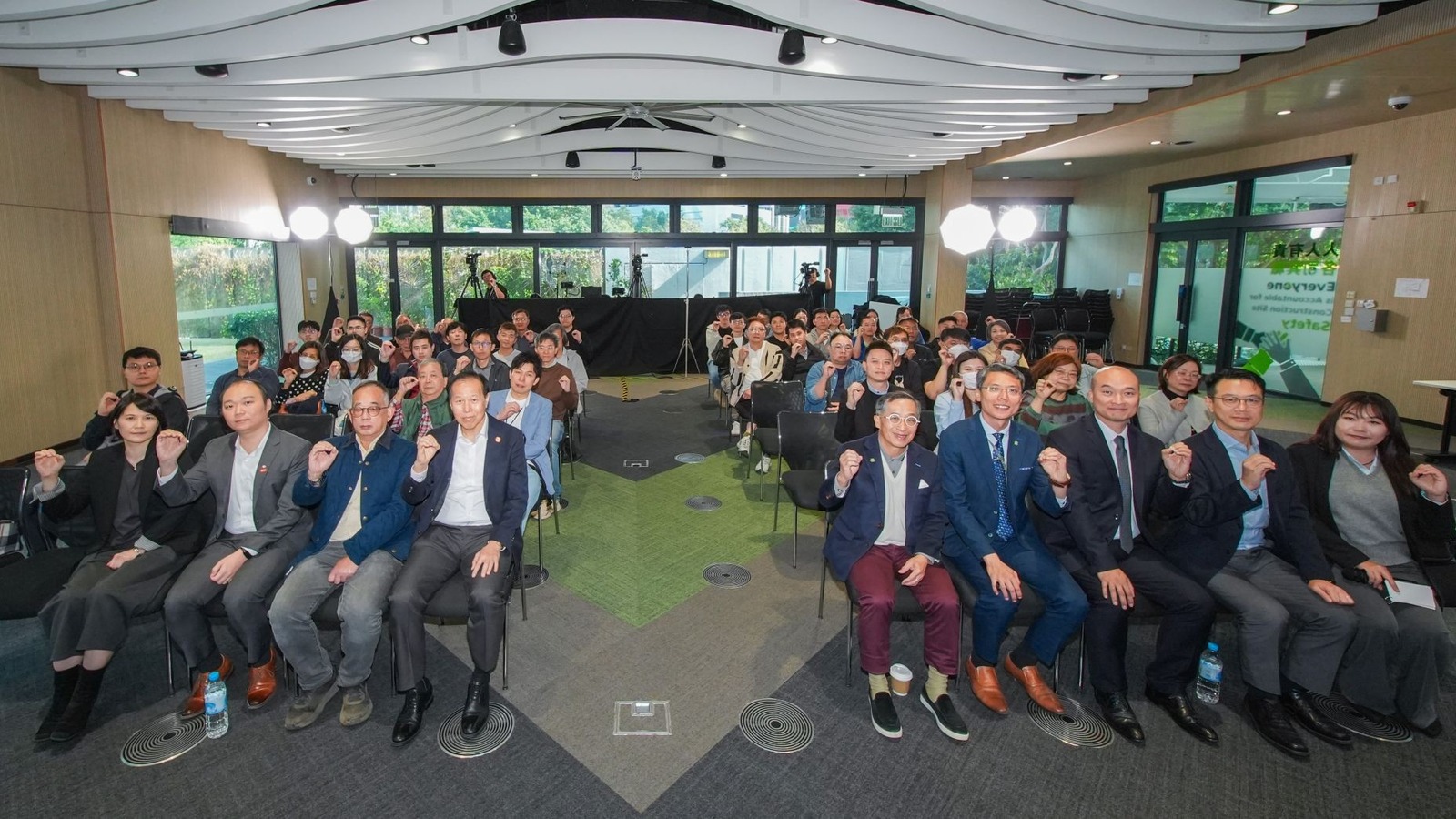
From prevention at the source to frontline care, for these measures to truly take root, we must ultimately start with culture. The CIC hosted the " CIC Master Talk in Safety Leadership Culture " last month, inviting leader from The Hongkong Electric Co., Ltd. to share practical examples. The event attracted nearly 100 on-site participants and 3,400 industry practitioners online, demonstrating the industry's commitment to safety culture.


Ir Norman CHAN, General Manager (Projects) of The Hongkong Electric Co., Ltd., shared that safety leadership is an active shaping process rather than passive compliance with rules. He highlighted the importance and challenges of safety leadership, noting that to truly implement a safety culture, a shift in mindset is essential. He believes that leadership must lead by example and maintain clear, continuous, and precise communication with employees. Meanwhile, recognition and reporting systems must run in parallel. Through the assistance of training and technology, we can work together to build a safer working environment.


At the seminar, I also reminded the industry that a strong and visible safety leader is paramount to enhancing the industry's safety culture. Leaders need to visit site more often to convey safety messages to frontline workers, establish a caring culture, improve site welfare facilities, and pay attention to the physical and mental health of workers, uniting everyone to comprehensively raise the industry's safety standards.


Enhancing Site Safety with Diverse Smart Site Safety Systems

The CIC is also taking measures to enhance the safety of "Repair, Maintenance, Alteration and Addition" (RMAA) works. In addition to the "Committee on Repair, Maintenance, Alteration and Addition", which I personally lead, conducting a comprehensive review to enhance industry conduct, safety, and professional training—and calling on private-sector projects to immediately adopt relevant systems such as the Registered Specialist Trade Contractors Scheme—the Construction Innovation and Technology Fund (CITF) has updated the recommended commonly used Smart Site Safety System (4S) product packages for RMAA works. This assists the industry in utilising technology to enhance site safety and transparency. Taking building renovation and maintenance works as an example, the recommended product packages cover four major areas: Digital Permit-to-Work System (applicable to high-risk work), Danger Zone Access Control (electronic lock system), and AI safety monitoring systems. This allows technology to truly integrate into daily construction operations, achieving intelligent safety management.

The CIC has always encouraged and supported the industry in applying 4S from multiple aspects. Besides providing recommended commonly used product packages, we source different types of 4S products for industry reference. There is a diverse range of 4S products available and some aim to protect our craftsmen responsible for lifting operations. At the "Mobile Elevating Work Platforms and Lifting Safety" seminar held last month, speakers detailed how 4S assists projects in maintaining a safe working environment and provided attendees with demonstrations of good lifting operation practices. Projects interested in using 4S on sites can apply for financial support from the CITF to purchase or rent suitable 4S products. The CIC hopes that through these supporting measures, we can assist contractors in more easily selecting safety technologies that meet their needs, comprehensively raising site safety levels.


Even one industrial accident is too many. As we begin the Year of the Horse, this is the critical moment for the industry to establish a safety culture from top to bottom. We must ensure that everyone identifies with and practices this culture. A safe construction site is not only a promise to workers and their families but also the true cornerstone of every project's success.


I wish everyone a flourishing business and constant vigilance as we work together to build a zero-accident site environment!

Ir Prof. HO On-sing, Thomas
Chairman
02.03.2026

Last Updated: 2026-03-02 11:28:16