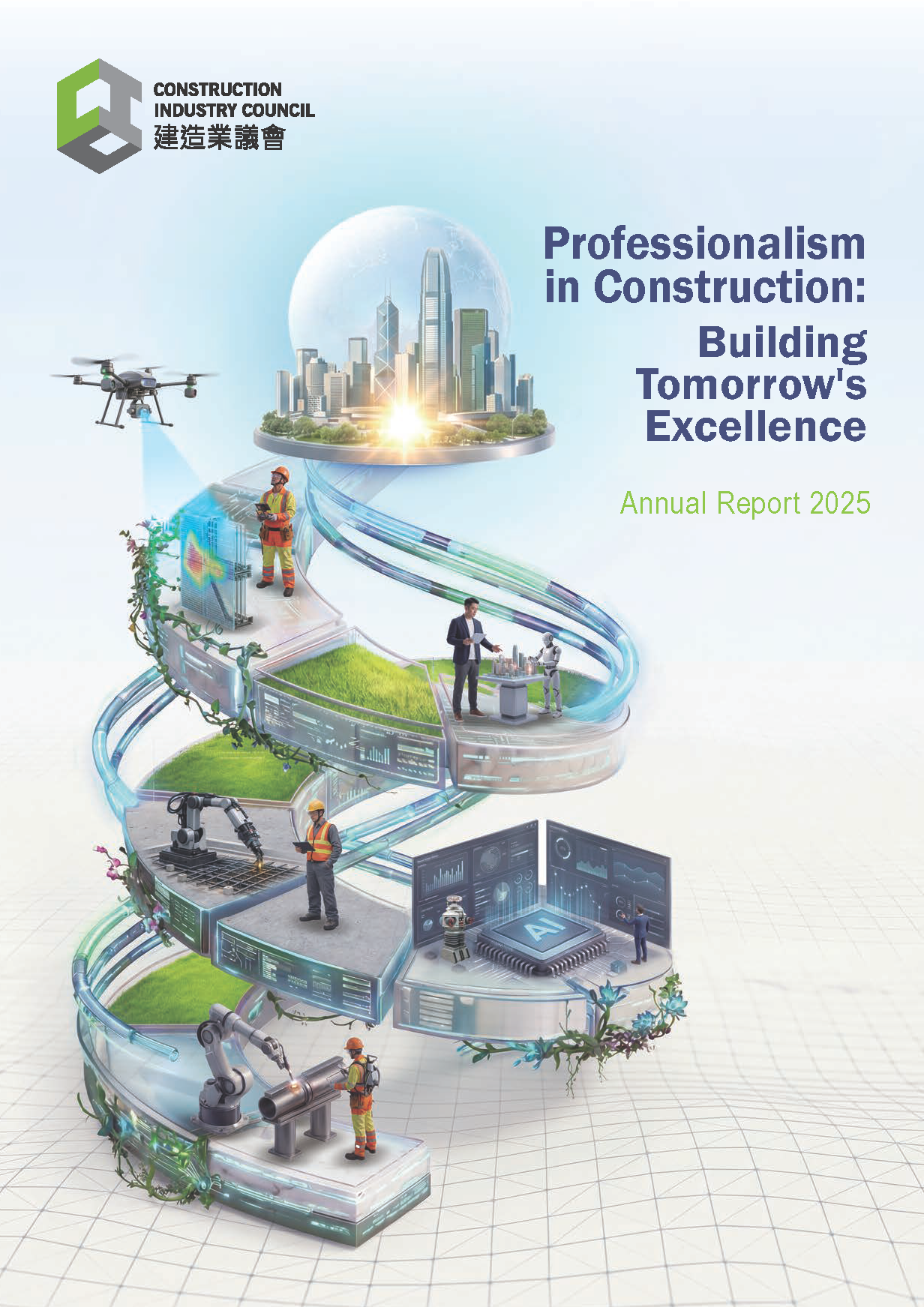
Safety is not a slogan; it is a discipline that must be embedded in our daily work. To this end, the Construction Industry Council (CIC) continues to introduce initiatives and programmes that help the industry transform safety training into everyday practice, turning safety from a requirement into a habit.
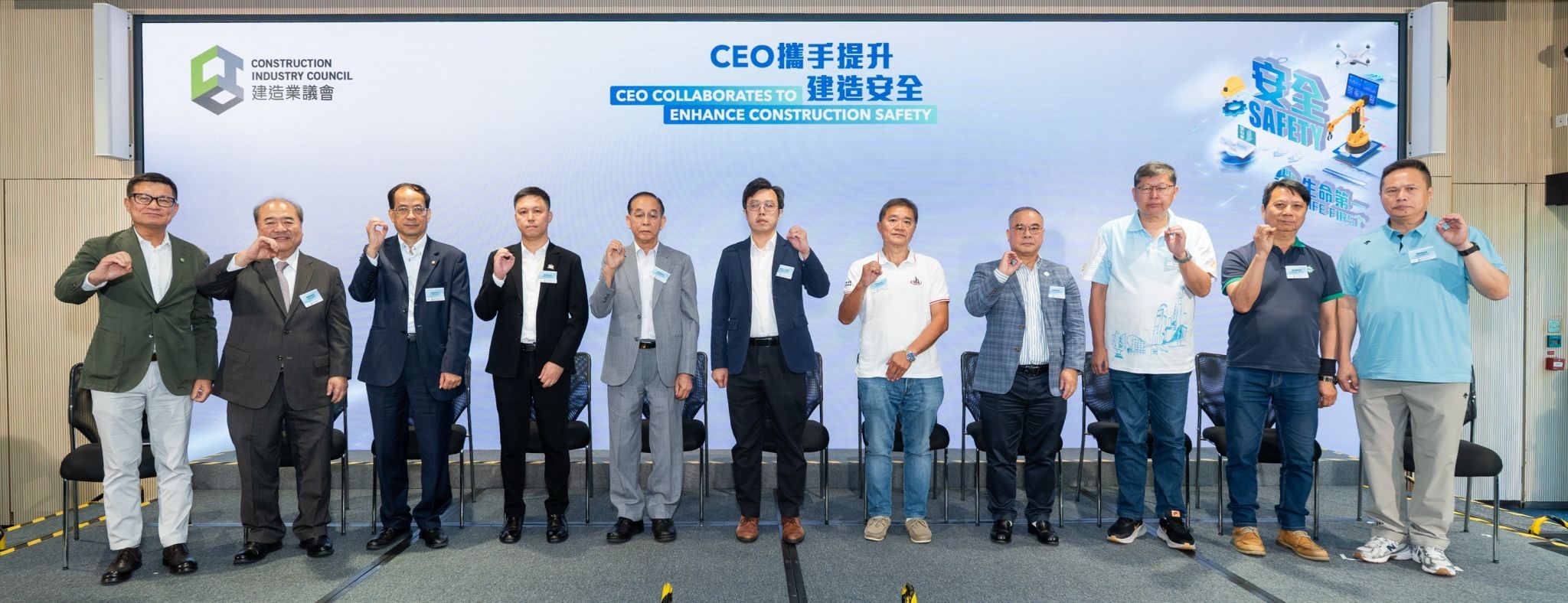
Recently, the CIC hosted its “Life First, Walk the Talk” event under the theme “CEOs Collaborate to Enhance Construction Safety” The event brought together distinguished industry leaders, including Ir. Ricky LAU, Permanent Secretary for Development (Works); Mr. KUOK Hoi-sang, Chairman of the Hong Kong Real Property Federation; Ir. Kevin LAU, Senior Director – Generation of CLP Power Hong Kong Limited; and Ir. Carl DEVLIN, Capital Works Director of MTR Corporation Limited, who shared their commitments to and practical experiences in advancing construction safety. Ir. Albert CHENG, Executive Director of the CIC, also moderated the sharing session which engaged industry representatives in a meaningful dialogue on critical aspects of site management. The event attracted nearly 100 industry leaders in person and more than 7,000 online participants, fostering valuable exchanges on construction safety, supervisory systems, technology adoption and personnel safety training.
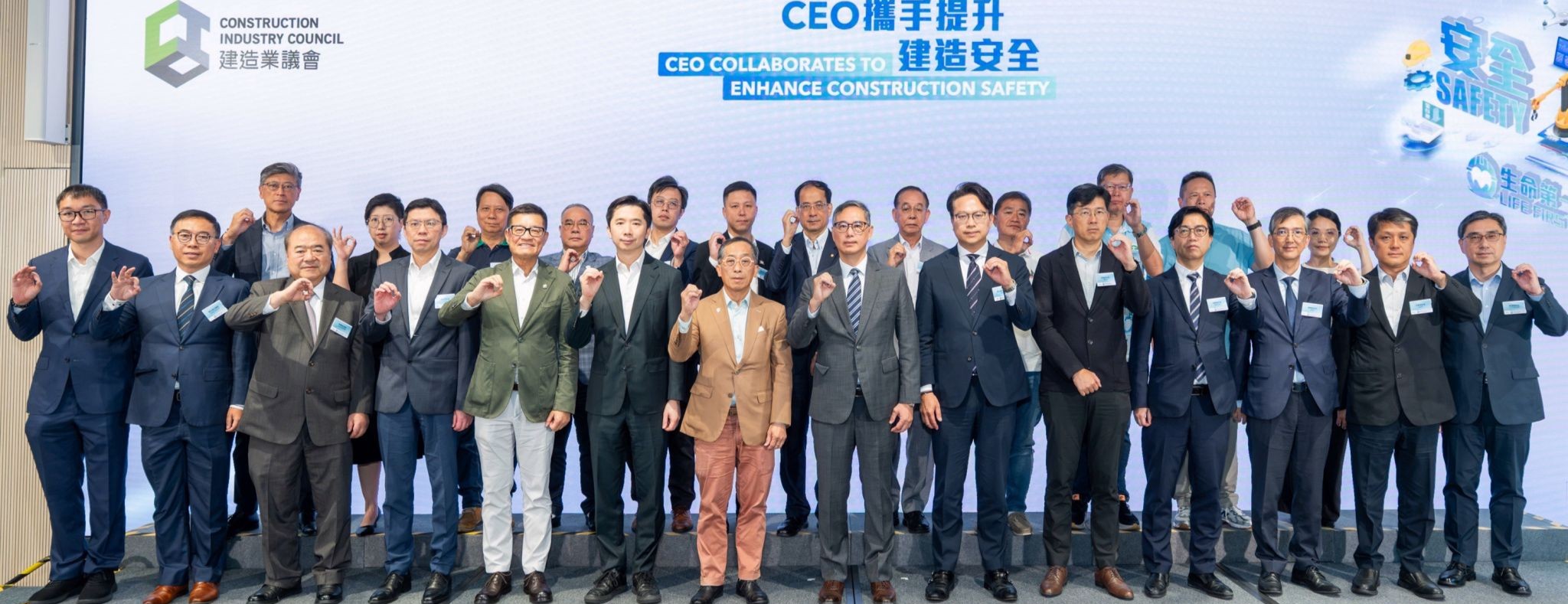
In his speech, Ir. Ricky LAU, Permanent Secretary for Development (Works), remarked that “safety has no past tense; it is always in the continuous tense.” He stressed that wider stakeholder participation is essential to the success of the Frontline Personnel Safety Performance Recording Scheme. He noted that the Government and the CIC have been actively promoting the Smart Site Safety System (4S System), and since its implementation between 2023 and 2025, Hong Kong’s overall number of industrial accidents has fallen by approximately 20%. Looking ahead, Ir. LAU expressed his aspiration for the 4S System to become a standard feature across all public and private construction sites in Hong Kong. He emphasised that industrial accidents are entirely preventable when project teams fulfil their respective responsibilities, rigorously implement management systems and safety measures, and leverage technology to enhance effectiveness.
Mr. Rex WONG, Chairman of the CIC Committee on Construction Safety, noted with deep concern that 14 fatal industrial accidents have occurred in the construction industry since the beginning of 2026, resulting in the loss of 14 workers’ lives and causing immeasurable grief to their families. Earlier this week, the CIC launched a territory-wide “Stand Down Day” to encourage both management and frontline workers to reflect on workplace safety and heighten their safety awareness. Mr. WONG underscored the importance of both the seminar and Stand Down Day, stressing that everyone in the industry must engage directly with site conditions, gain first-hand understanding of workplace risks, and continuously reflect on areas for improvement. Through the sharing of experiences and best practices, stakeholders can identify more effective approaches for the remainder of the year, particularly in addressing high-risk hazards such as falls from height and falling objects.
Mr. KUOK Hoi-sang, Chairman of the Hong Kong Real Property Federation, delivered a presentation on Commitment to Construction Safety, sharing how innovative technologies can be leveraged to enhance site safety and how diverse safety training programmes can help embed safety culture into everyday habits. Ir Kevin LAU, Senior Director – Generation of CLP Power Hong Kong Limited, highlighting how the company integrates its Serious Injury and Fatality (SIF) Prevention Framework into its overall safety strategy to proactively eliminate potential risks. Key initiatives include the use of real-time monitoring systems to ensure workers operate in safe environments, as well as camera-based detection technologies to identify unsafe behaviours, such as unauthorised entry into high-risk or fatality-prone zones. Meanwhile, Ir Carl DEVLIN, Capital Works Director of MTR Corporation Limited, explained the company’s implementation of a “Yellow Card and Red Card” mechanism to monitor and manage safety performance at all levels, from frontline workers to contractors and sub-contractors. Employees demonstrating unsatisfactory safety performance may be barred from entering construction sites and required to undergo additional safety training. Through a strong safety culture driven from the top down and reinforced from the bottom up, the company strives to eliminate accident risks and uphold the highest standards of workplace safety.
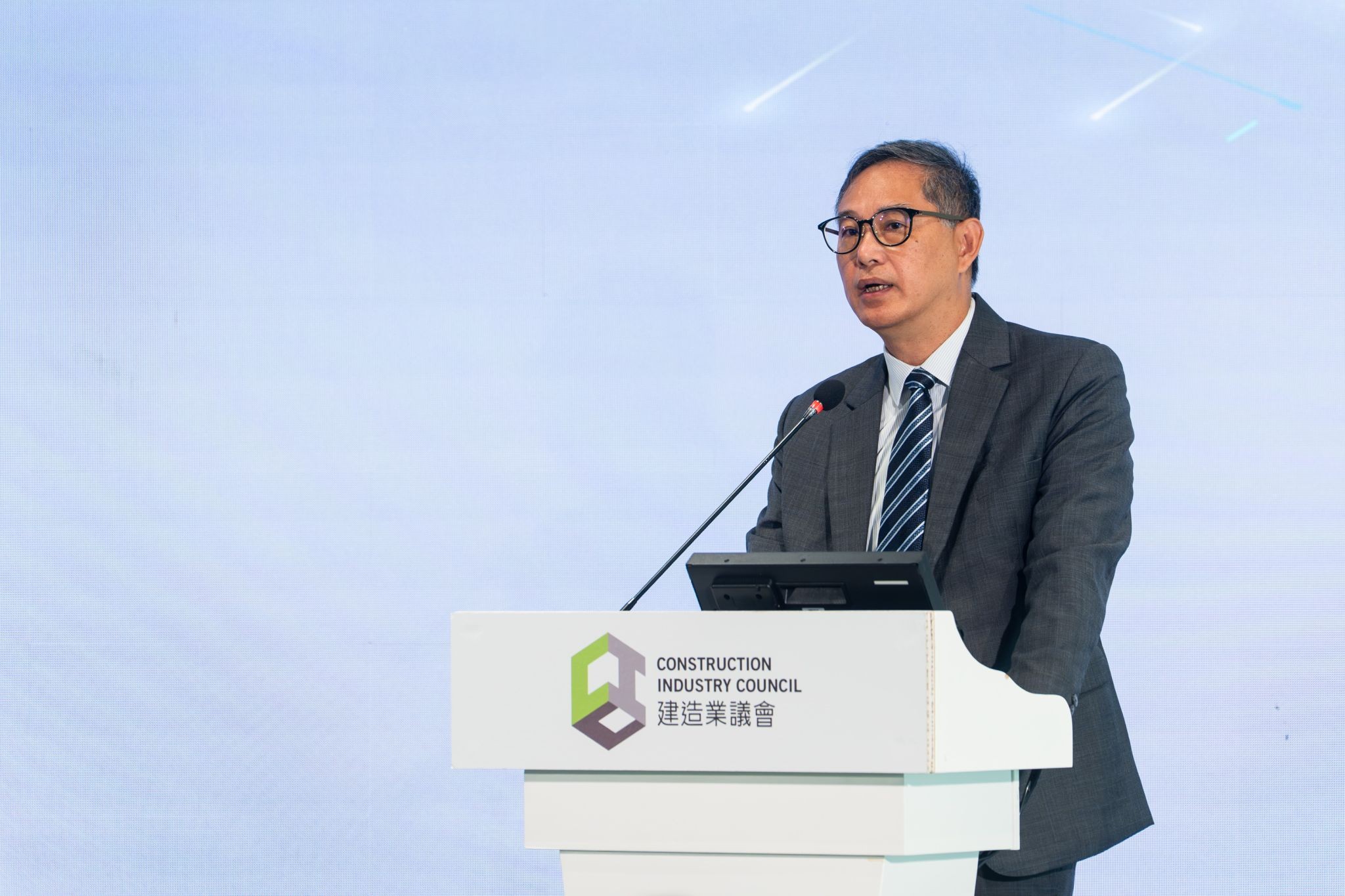
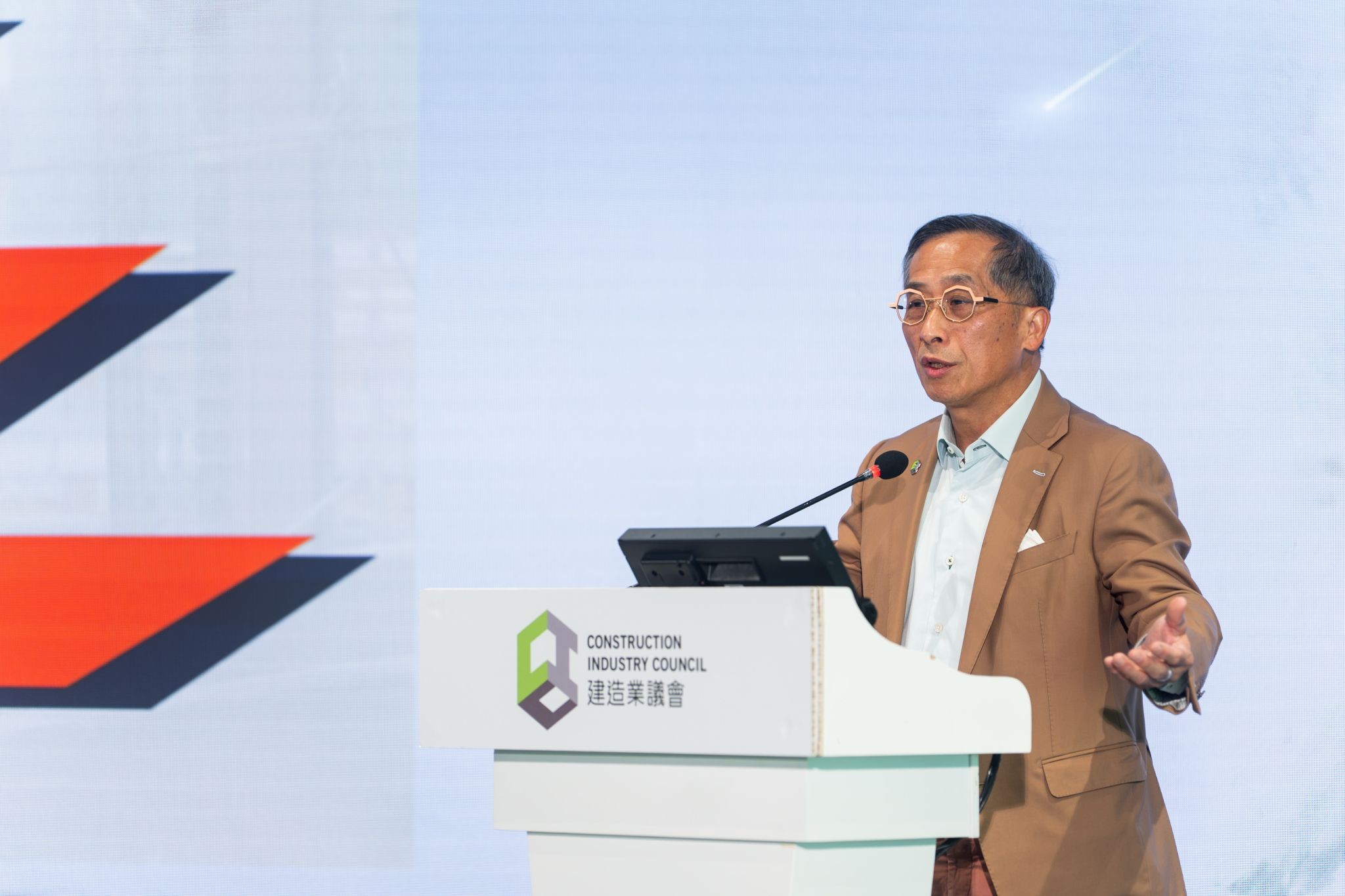
In his closing remarks, the CIC Chairman Ir Prof. Thomas HO reiterated that changing unsafe work practices and transforming site culture must go beyond rhetoric. ‘Hong Kong does not lack safety systems, programmes or measures,” he said. “The real challenge lies in leadership commitment and execution.” On site management, Ir Prof. HO endorsed Ir DEVLIN’s principle that “No supervision, no work.” He further advocated stronger use of on-site CCTV monitoring and enhanced accountability mechanisms to improve transparency and strengthen safety management outcomes. Ir Prof. HO also urged management teams to spend more time on visiting construction sites and engage directly with frontline personnel. Only by understanding site realities first-hand, he said, can leaders truly identify underlying problems and drive meaningful improvements. Furthermore, he called on the industry to make Design for Safety (DfS) an integral part of every project and every decision. Embedding safety considerations at the design stage and addressing the root causes of a deadline-driven culture are, in his view, the only sustainable path towards long-term improvement. He added that shortcomings in frontline safety management must also be confronted and rectified with determination.
The CIC reaffirmed that “Construction Site Safety is Everyone’s Responsibility, and Every Stakeholder Must Play Their Part.” With the shared goal of achieving zero accidents on construction sites, the industry must continue to strengthen supervision, embrace technology, integrate safety by design, enhance monitoring and invest in training. Through collective leadership and sustained action, Hong Kong can foster a stronger safety culture and build a safer, more professional working environment for all.