Hong Kong authorities are planning to increase incentives for the private sector to adopt Modular Integrated Construction (MiC), a prefabrication building technique, to address a projected labor shortage in the construction industry. Development Secretary Bernadette Linn revealed that despite its introduction in 2018, MiC has seen limited uptake, with only 69 public and two private projects utilizing the method. This push for wider adoption comes as lawmakers express concerns over the slow progress of MiC implementation.
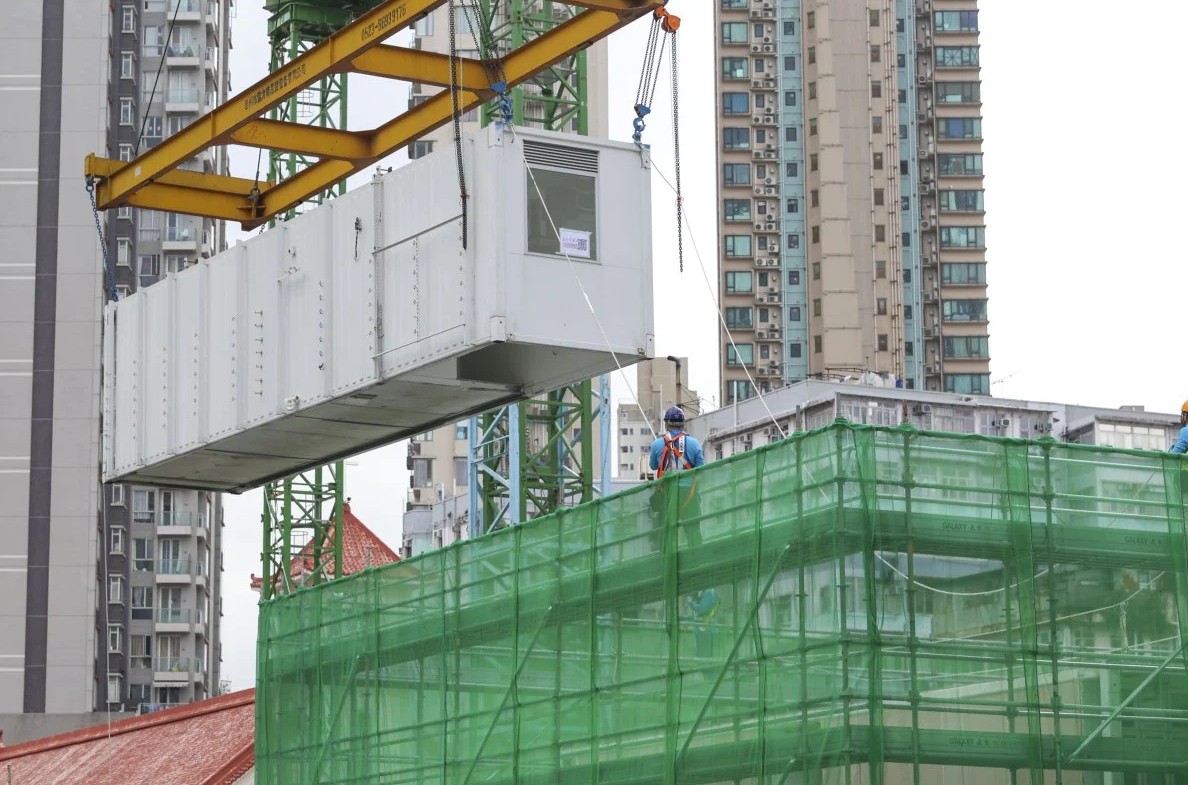
MiC involves constructing free-standing, integrated modules in mainland Chinese factories, subject to quality inspections before being transported and installed at the project site. This method is expected to significantly reduce on-site labor requirements, a critical advantage given Hong Kong's projected shortfall of over 40,000 construction workers by 2027. Linn emphasized the government's leading role in promoting MiC, particularly in light of the labor shortage, hoping to encourage private sector adoption.
Legislators have raised concerns about the lack of incentives, particularly for older land lots, to encourage private sector uptake of MiC. Linn assured the Legislative Council’s development panel that the government would "respond positively" to these concerns, indicating a willingness to implement measures that make MiC a more attractive option for developers.
The government's focus on MiC stems from its potential to alleviate the looming labor shortage and potentially accelerate construction timelines. By shifting a significant portion of the construction process to factories, MiC can also improve quality control and reduce on-site disruptions. However, the limited adoption so far suggests that more needs to be done to incentivize the private sector.
While the government has not yet specified the nature of these incentives, they could potentially include tax breaks, expedited approvals, or density bonuses for projects utilizing MiC. Addressing the concerns related to older land lots is also crucial, as redevelopment projects often face unique challenges that may hinder the adoption of new construction techniques.
The success of the government's push for MiC will depend on its ability to create a compelling value proposition for private developers. By offering attractive incentives and addressing existing barriers, the government can encourage wider adoption of this innovative construction method, contributing to a more efficient and sustainable building sector in Hong Kong.
Source: https://www.scmp.com/news/hong-kong/society/article/3260029/hong-kong-encourage-use-pre-made-housing-more-private-sector-incentives