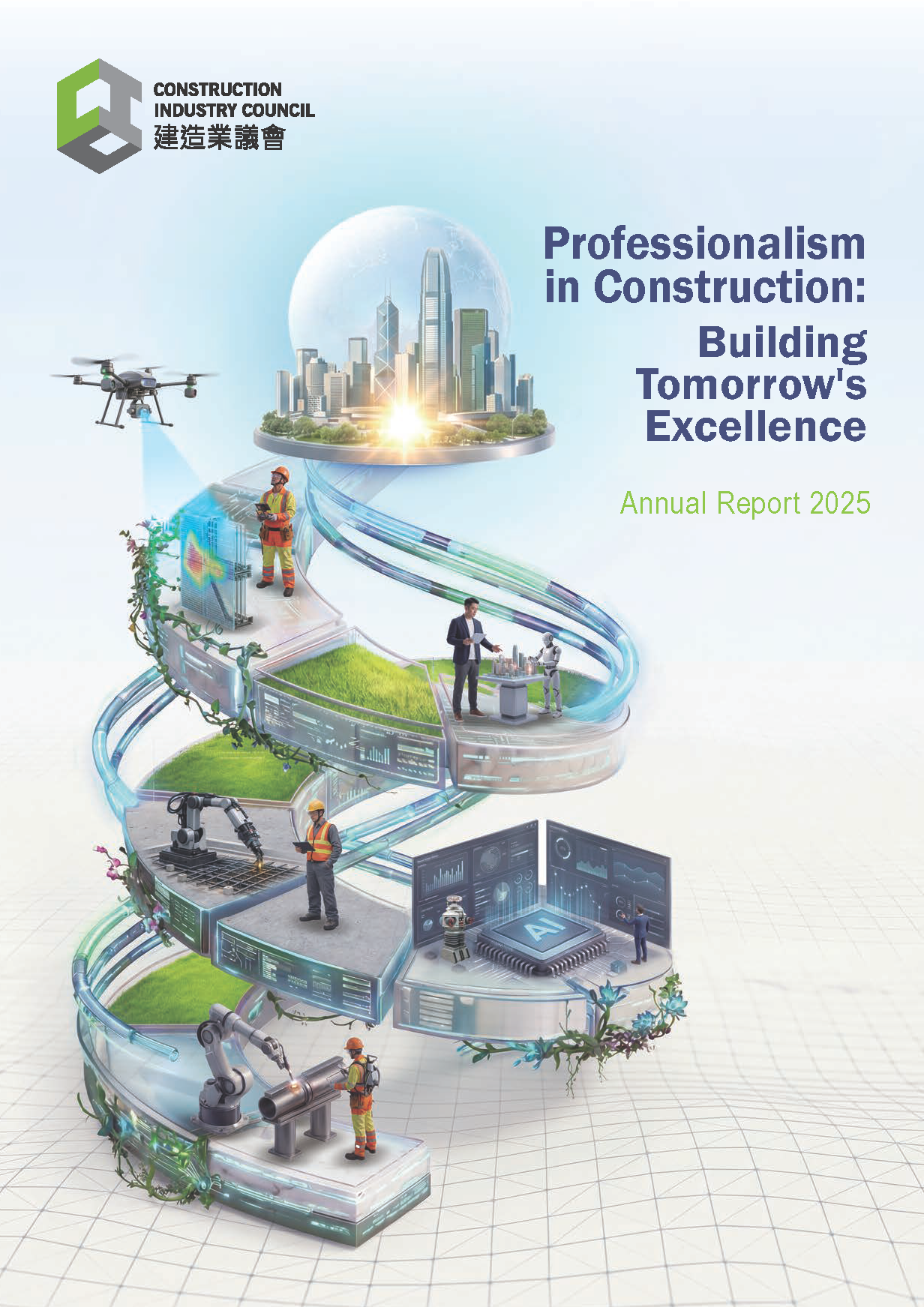
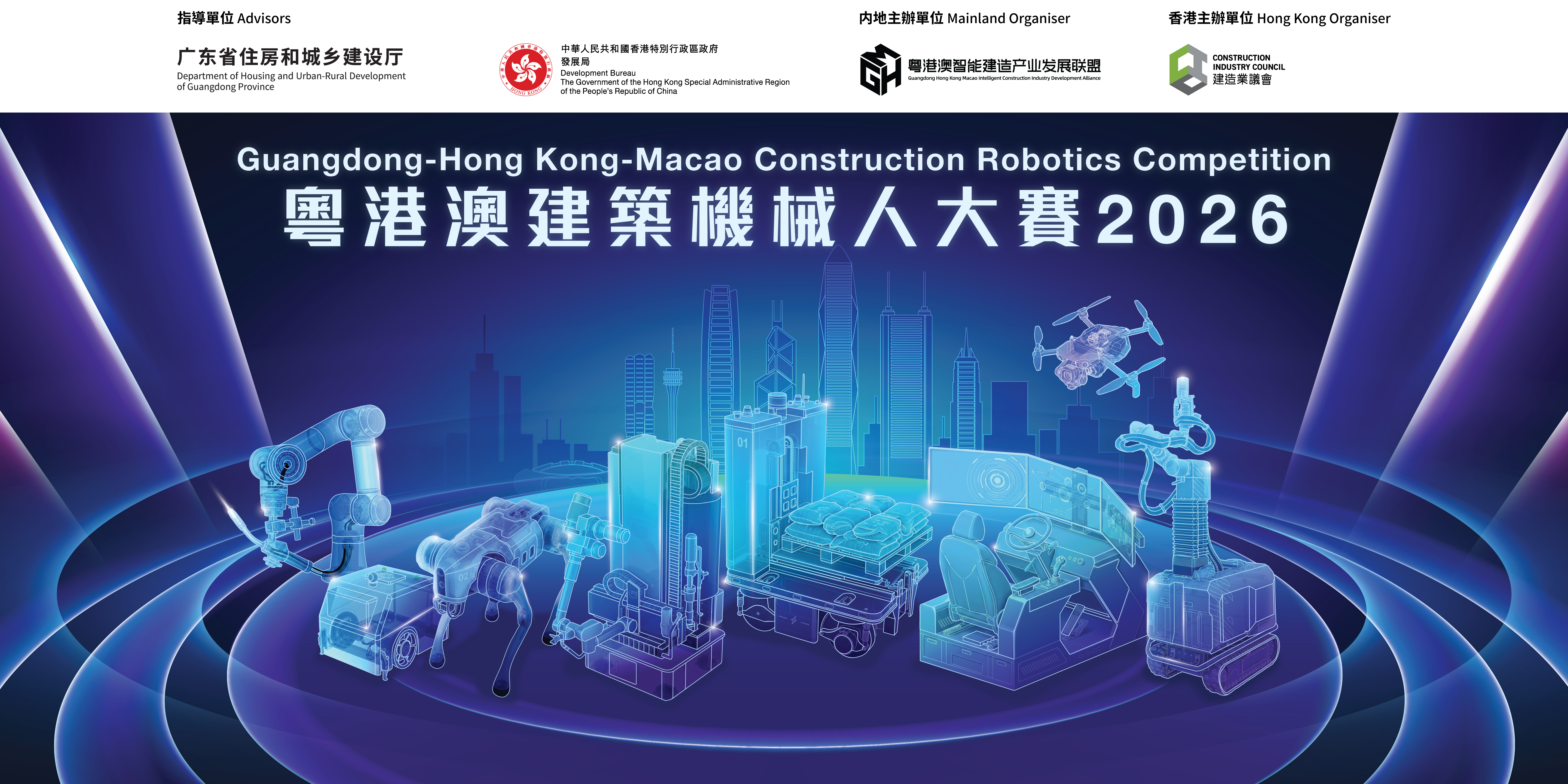
To accelerate the application of robotics in the construction sector, the Construction Industry Council (CIC), under the guidance of the Department of Housing and Urban-Rural Development of Guangdong Province and the Development Bureau (DEVB) of the Government of the Hong Kong Special Administrative Region, will jointly organise the "Guangdong-Hong Kong-Macao Construction Robotics Competition 2026" alongside the Guangdong-Hong Kong-Macao Intelligent Construction Industry Development Alliance in late September. This is not merely a technology showcase, but a practical proving ground—the true value of a robot lies not in how advanced it is, but in whether it can genuinely enter the construction site and solve the real-world problems faced by frontline workers every day.
The Robotics Competition: Transitioning from Concept to Real-World Application
Compared to last year’s "Construction Robot Competition", the scale of this year's Hong Kong Stage event has significantly expanded to eight robotic categories. These cover all the "Highly-Effective Construction Robots" outlined in the Development Bureau’s technical guideline’s framework. Featuring over 30 participating companies, the competition showcases a diverse range of robotics—including drones, drilling robots, welding robots, remote-controlled tower crane systems, paint spraying robots, robotic dogs, material handling machines, and setting out robots. Participating teams will complete construction tasks in a simulated site environment, demonstrating the robots' performance in terms of efficiency, safety, adaptability, and technological edge.
The core objective of the competition is to validate the technical adaptability of robots for practical operation on local construction sites. Therefore, the event places special emphasis on "real-world practicality", featuring competition segments that closely mirror actual site conditions, such as confined space simulation, defect detection, and work-at-height drilling, while tightening evaluation criteria to ensure the robots' performance satisfies practical operational requirements.
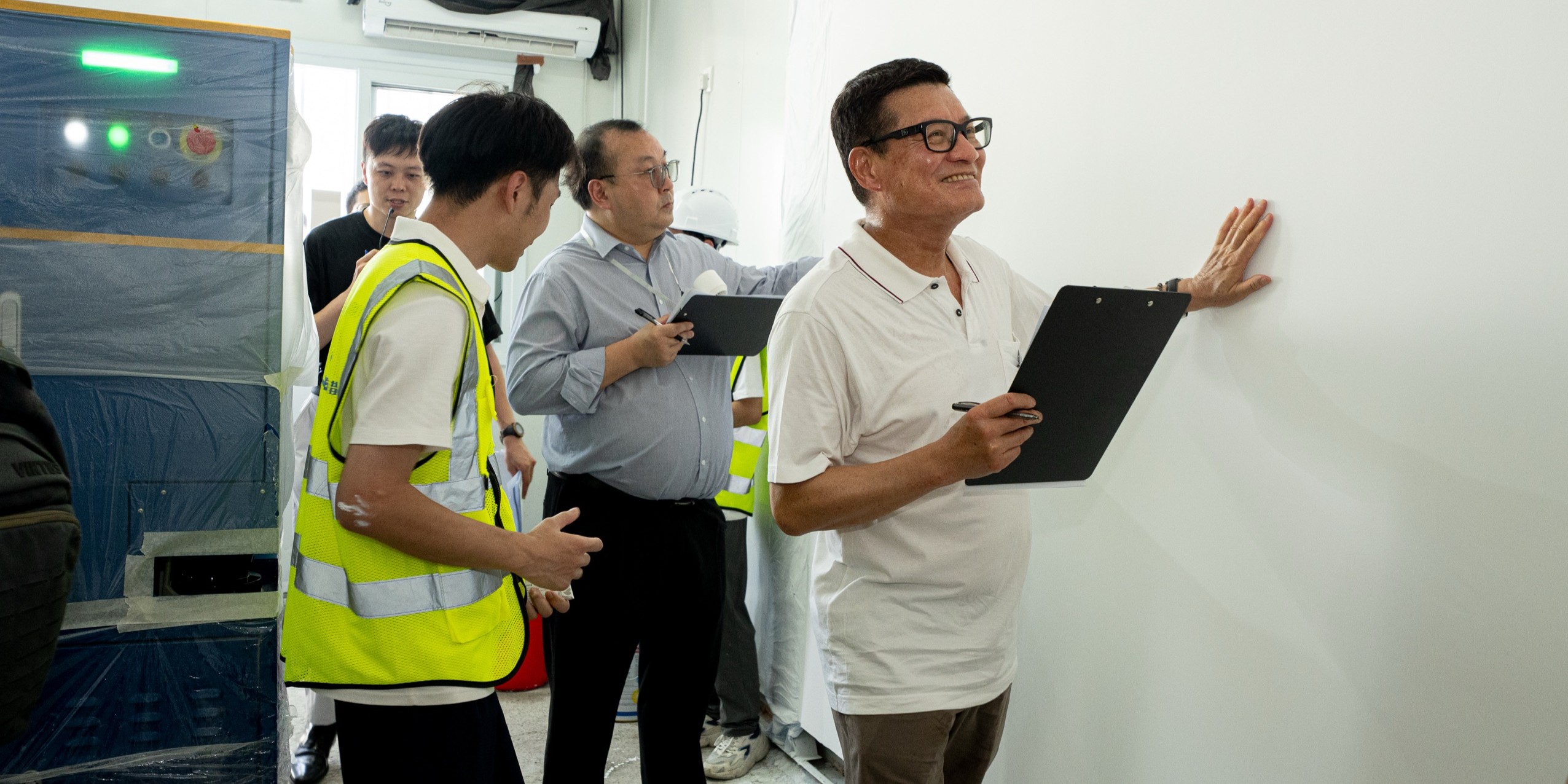
The true value of robotics lies in its practical application. The Hong Kong construction industry is currently facing challenges such as an ageing workforce, risks associated with working at heights, and repetitive procedures. Robots are perfectly positioned to play a vital role in these areas, alleviating the physical burden on workers and enhancing site safety. I sincerely invite every industry stakeholder—whether decision-makers, frontline workers, or students contemplating their future career paths—to learn more about how robotics can help make construction sites safer and more efficient. Let us collectively witness the practical implementation of robotics in the Hong Kong construction industry, driving the sector towards a smarter and more sustainable future.
Human-Machine Collaboration: A New Frontier in Skills Training
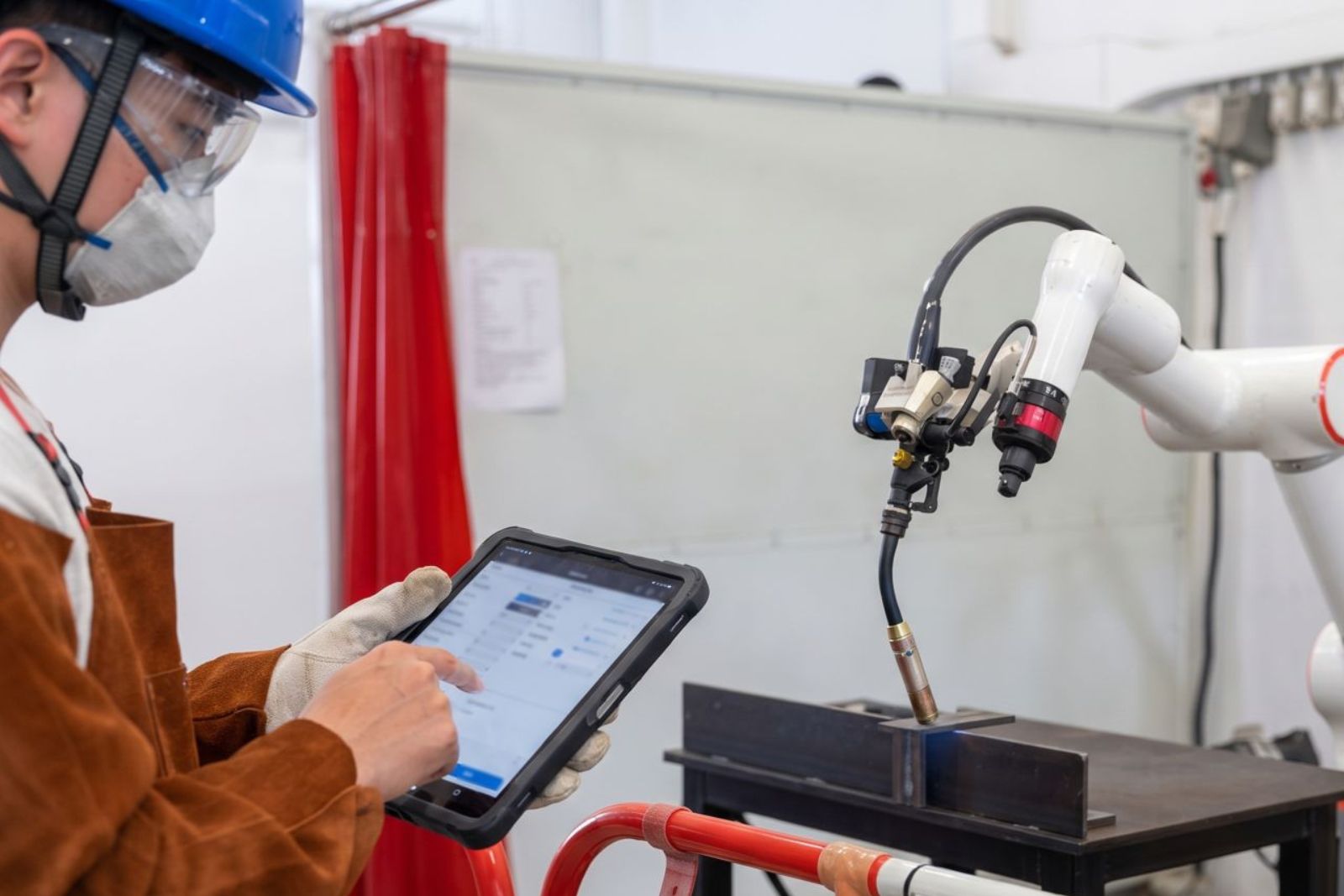
For robots to truly make an impact on construction sites, the role of the operator is crucial; hence, the industry requires systematic training and assessment as a foundation. The Hong Kong Institute of Construction (HKIC) has actively integrated robotics into its curriculum in recent years. Taking surveying and setting-out robots as an example, the HKIC has launched relevant courses covering fundamental robotics theory, Building Information Modelling (BIM) data integration, and practical site operations. The Demolition of Building for Robot Operators course provides safe demolition methods and practical training, while the S960 High-Strength Steel Welding Robot Operation course enables practitioners to master the latest welding technologies. These courses allow frontline personnel to familiarise themselves with robot operations in a simulated environment before bringing these skills to actual construction sites.
The Hong Kong Construction Industry Trade Testing Centre (HKCITTC) is also fully dedicated to researching and establishing a professional skills assessment framework for "Robotics Operators". The assessment directly targets the core competencies of "Human-Machine Collaboration", focusing on evaluating technicians' abilities in parameter calibration, operational monitoring, dynamic safety management, and quality assurance of robot-fabricated outputs. This provides the industry with clear standards for human-machine collaboration, ensuring that training has direction, assessments have a basis, and applications are safeguarded.
Concurrently, the HKCITTC is actively promoting the use of Artificial Intelligence (AI) and robotics to manage the trade testing environment. The HKCITTC has introduced Plastering Robots to automate the entire process from sanding and plastering (putty spraying) to painting. Robots now handle the most dust-generating procedures, restoring the examination workshops with mechanical precision and speed. Smart Welding Robots have replaced manual operations in high-temperature environments, ensuring perfect consistency in weld seam quality and strength while providing more accurate workpieces for candidate testing, significantly enhancing fairness. AI Marking Line Cleansing Robots automate marking line cleaning tasks to reduce the labour cost of repetitive tasks, allowing our testing personnel to focus on elevating core testing services. Furthermore, Autonomous Material Transport Robots navigate automatically within the testing workshops, transporting over 100 test materials and tools daily and planning their own routes, significantly reducing the physical exertion and safety risks associated with manual handling. The application of these robotic technologies not only enhances the fairness and efficiency of trade tests but also establishes technical standards for smart site development.
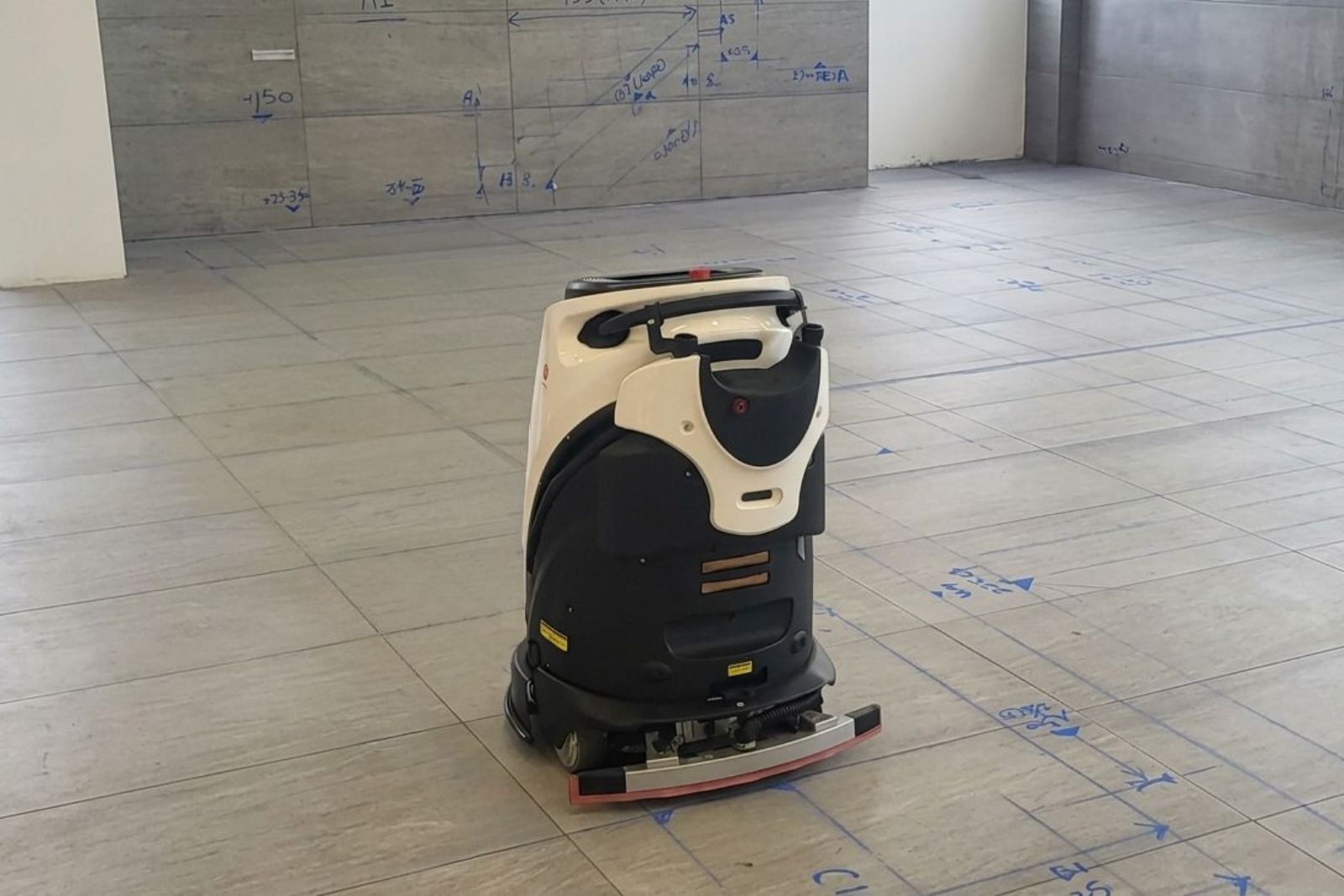
The HKIC and the HKCITTC have built a comprehensive development ladder for human-machine collaboration from the perspectives of training and assessment, respectively. Moving forward, the CIC will continue to drive the practical implementation of these standards and courses, making robots truly capable assistants for our frontline workers.
Exchanging Ideas with Tsinghua Students: Where Technology Meets Talent
While driving local initiatives, I recently visited Tsinghua University in Beijing to share insights on the development, challenges, and trends of the Hong Kong construction industry with the students. During the lecture, we utilised various real-world case studies to introduce cutting-edge technologies and innovative methods across the project planning, design, delivery, and maintenance stages. This included the application of new materials like S960 high-strength steel, as well as how Multi-trade integrated Mechanical, Electrical and Plumbing (MiMEP) combined with robotics is transforming traditional construction models to elevate project efficiency, quality, and safety.
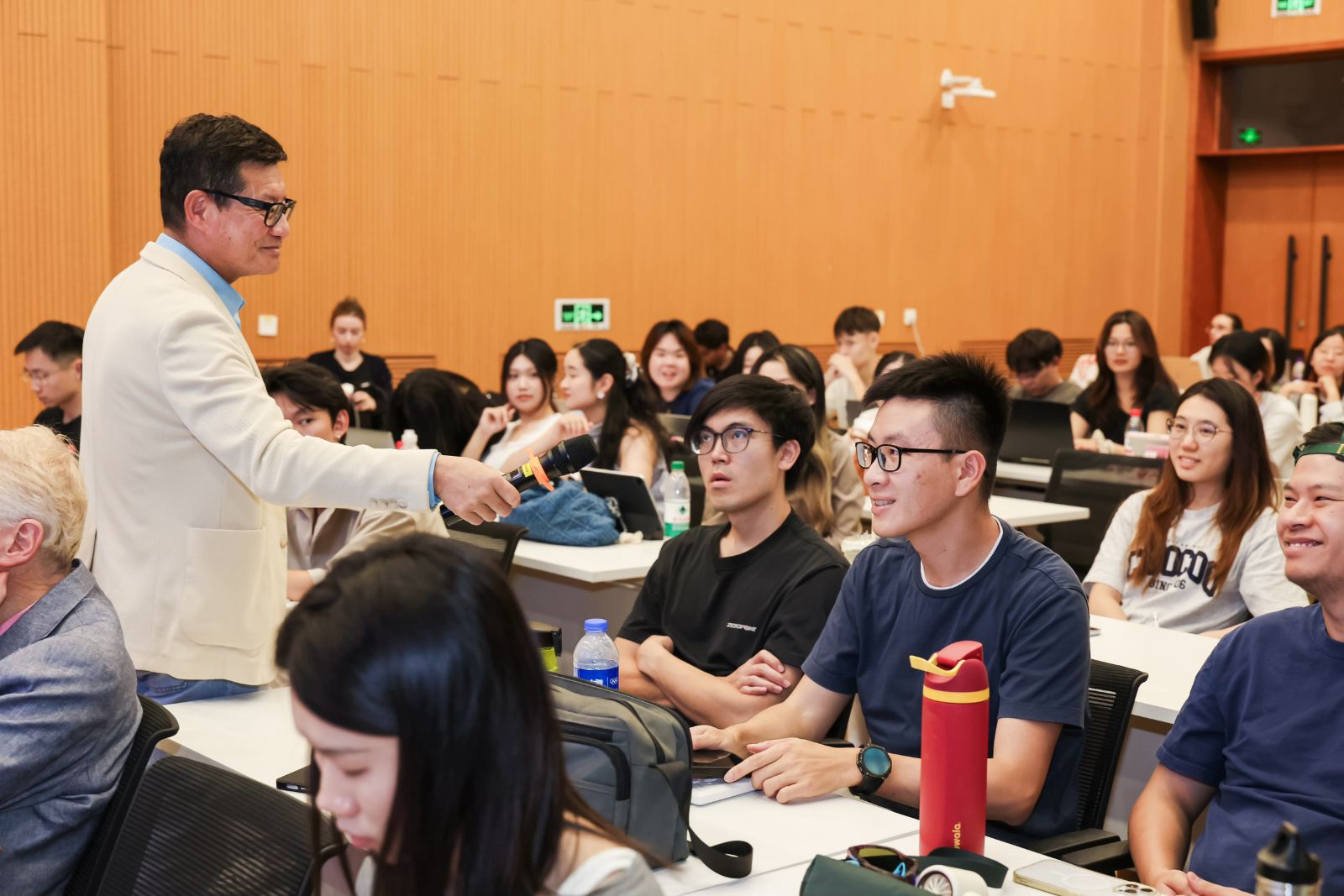
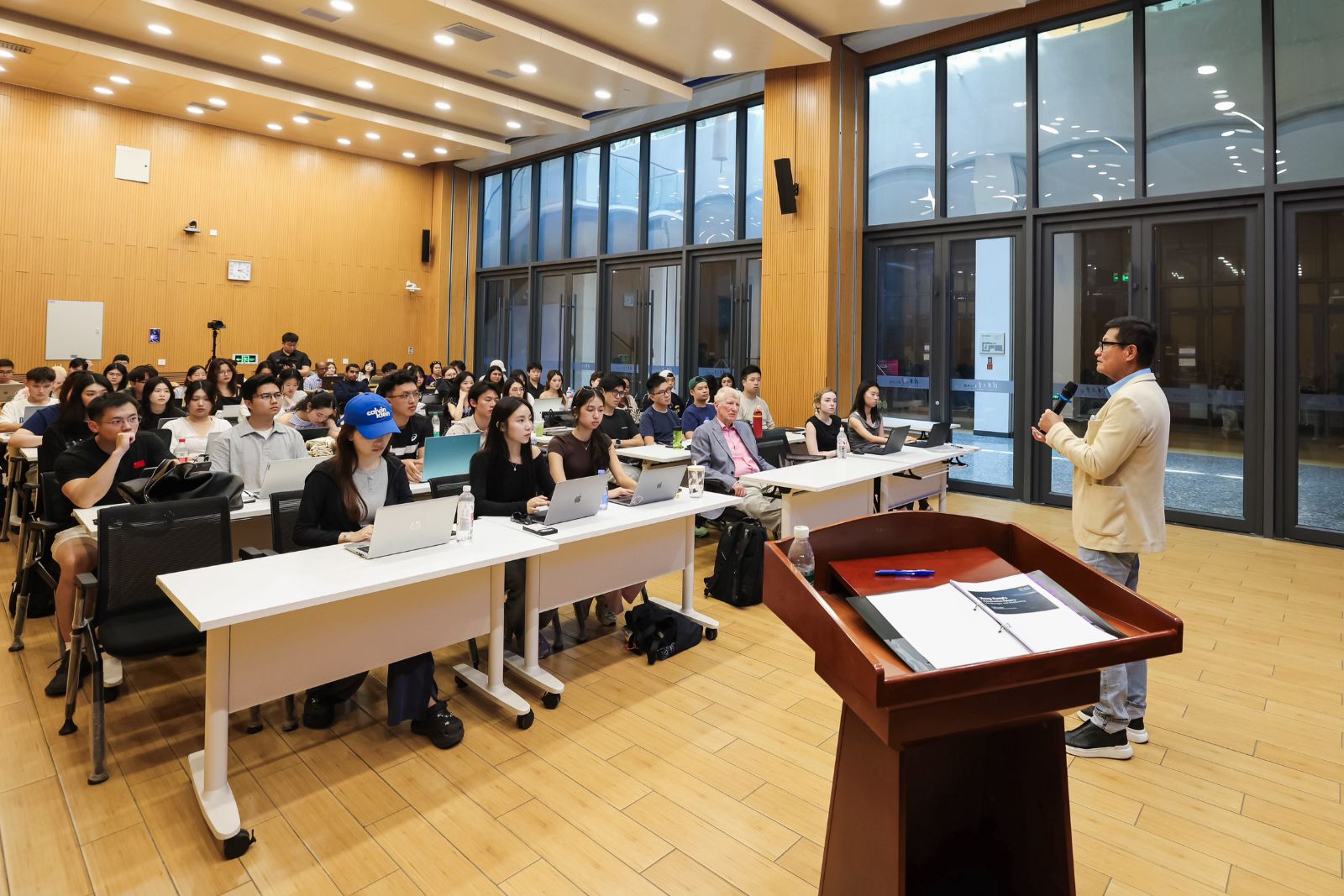
The students were particularly interested in the "CIC AI Assistant (Construction Safety)". Having learned from over 3,000 local safety documents, this tool allows frontline personnel to simply upload site photos to instantly identify potential risks—a concrete example of AI's practical application. We also engaged in in-depth discussions on topics such as workforce training, AI, sustainable development, and attracting young talent to the industry. The students' thirst for knowledge and critical thinking was truly impressive. Their questions reaffirmed that innovation is not merely about introducing new technologies, but also requires a continuous re-evaluation and exploration of existing paradigms. Experience the power of AI by downloading the CIC APP now!
This intellectual exchange was a two-way road of inspiration. Moving forward, the CIC remains steadfast in its commitment to nurturing industry talent, driving technological innovation, and fostering international knowledge exchange.
Transitioning from technology showcases to practical applications requires the collective participation of the industry. I encourage industry peers to bring the outcomes of the robotics competition to their construction sites, test them firsthand, and continuously refine them, allowing robotics to genuinely integrate into construction workflows. Through training courses, skill standards, and industry collaboration, the CIC will continue to promote the practical application of technology. We will walk alongside the industry to propel Hong Kong's construction sector towards a safer, smarter, and more competitive future.