We provide Construction Workers Registration service, and introduce Registered Specialist Trade Contractors Scheme as well as the Technically Competent Persons Registration Scheme to the construction industry.
We provide Construction Workers Registration service, and introduce Registered Specialist Trade Contractors Scheme as well as the Technically Competent Persons Registration Scheme to the construction industry.
Hong Kong’s construction industry is accelerating the adoption of innovative technologies across all levels to enhance productivity, safety, and construction quality. As these technologies take root on the ground, innovation has become the driving force behind our sector’s transformation. However, the painful lessons of the fire at Wang Fuk Court in Tai Po, together with the recently released report of the Independent Committee, serve as a renewed reminder to the industry that innovative technologies must go hand in hand with stringent regulation, professional ethics, and a robust accountability system. While technology can boost efficiency, assist in monitoring, and improve safety, safeguarding public life and works quality remains the uncompromising bottom line of the construction industry.
Upholding Project Quality and Supporting Reforms to Enhance Regulation
The fire at Wang Fuk Court in Tai Po resulted in tragic casualties, which is deeply saddening. The recently released report of the Independent Committee revealed the issues existing in large-scale building maintenance works, warranting profound reflection across the entire construction sector. We must squarely address these shortcomings, learn from the lessons, and put public safety and works quality first. At the same time, however, we must state clearly: the vast majority of contractors, professionals, technicians, and frontline workers consistently abide by regulations and uphold high professional standards. These incidents should not overshadow the dedicated efforts made by the wider workforce over the years to elevate construction quality.
The Construction Industry Council (CIC) fully supports the series of reform measures proposed by the HKSAR Government and the Development Bureau to strengthen the regulation of building maintenance works. These include amending the Buildings Ordinance to designate large-scale building maintenance as a standalone works category, stepping up pre-construction approvals, professional supervision, and on-site inspections, as well as tightening the disciplinary regime for non-compliant professionals and contractors. I believe that a sound regulatory mechanism, a clear delineation of responsibilities, and strict law enforcement are vital to safeguarding construction safety and quality. From project planning and construction to inspection and supervision, every link in the chain must faithfully fulfil its professional responsibilities, and never compromise safety and quality due to cost or schedule pressures.
CIC also supports the Government in establishing the “Expert Panel on Large-scale Repair” led by the Development Bureau, which will bring together expertise and practical experience from the industry, the engineering sector, and academia to assist in refining the overarching standards, principles, and guidelines for major maintenance works. At the same time, we support the Government in stepping up efforts to combat bid-rigging and other illicit practices, and in providing property owners with more professional and reliable maintenance support through the establishment of the “Building Maintenance Support and Services Council(BMSSC)”, thereby enhancing project transparency and protecting owners’ interests.
To drive professional development of the construction industry, the CIC will continue to assist practitioners in enhancing safety awareness, professional skills, and quality management standards, while actively aligning with the Government’s reform direction. We also encourage the sector to make good use of digital technologies to assist in site monitoring, project documentation, and risk management to enhance regulatory efficiency. Nevertheless, technology remains a supplementary tool and cannot replace professional judgement, ethical integrity, and due supervisory responsibility.
“Uncompromising Construction Quality; Shared Responsibility in Professional Integrity”—I call on fellow industry practitioners to take concrete actions to learn from these lessons, uphold the spirit of “Craftsmanship, Craftsman-soul, Craftsman-skills, and Craftsman-action”, actively support the reforms, and strictly adhere to professional standards, rebuilding public confidence in our sector through safe and high-quality works.
Guangdong–Hong Kong–Macao Construction Robotics Competition: Bringing Robotics onto the Jobsite
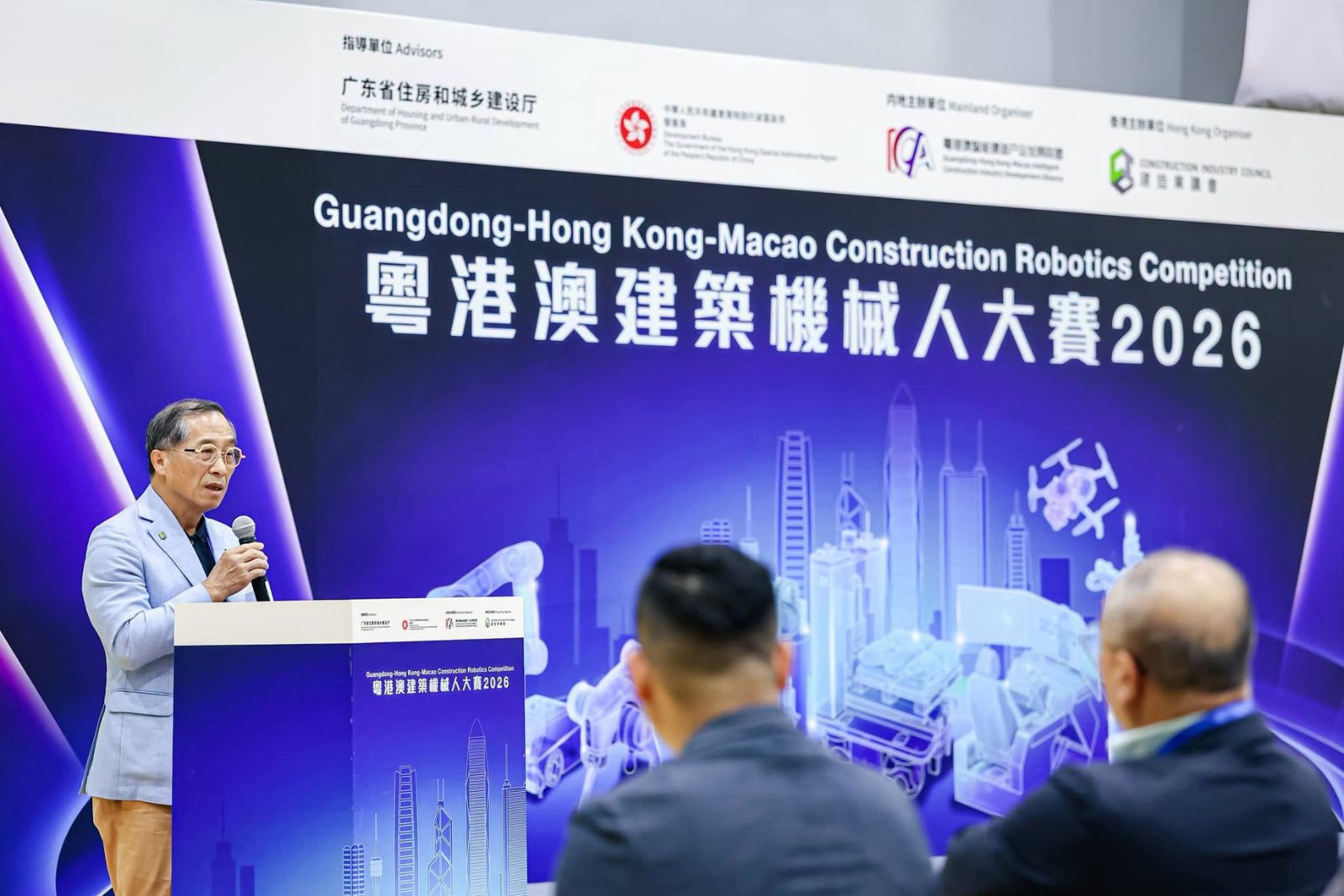
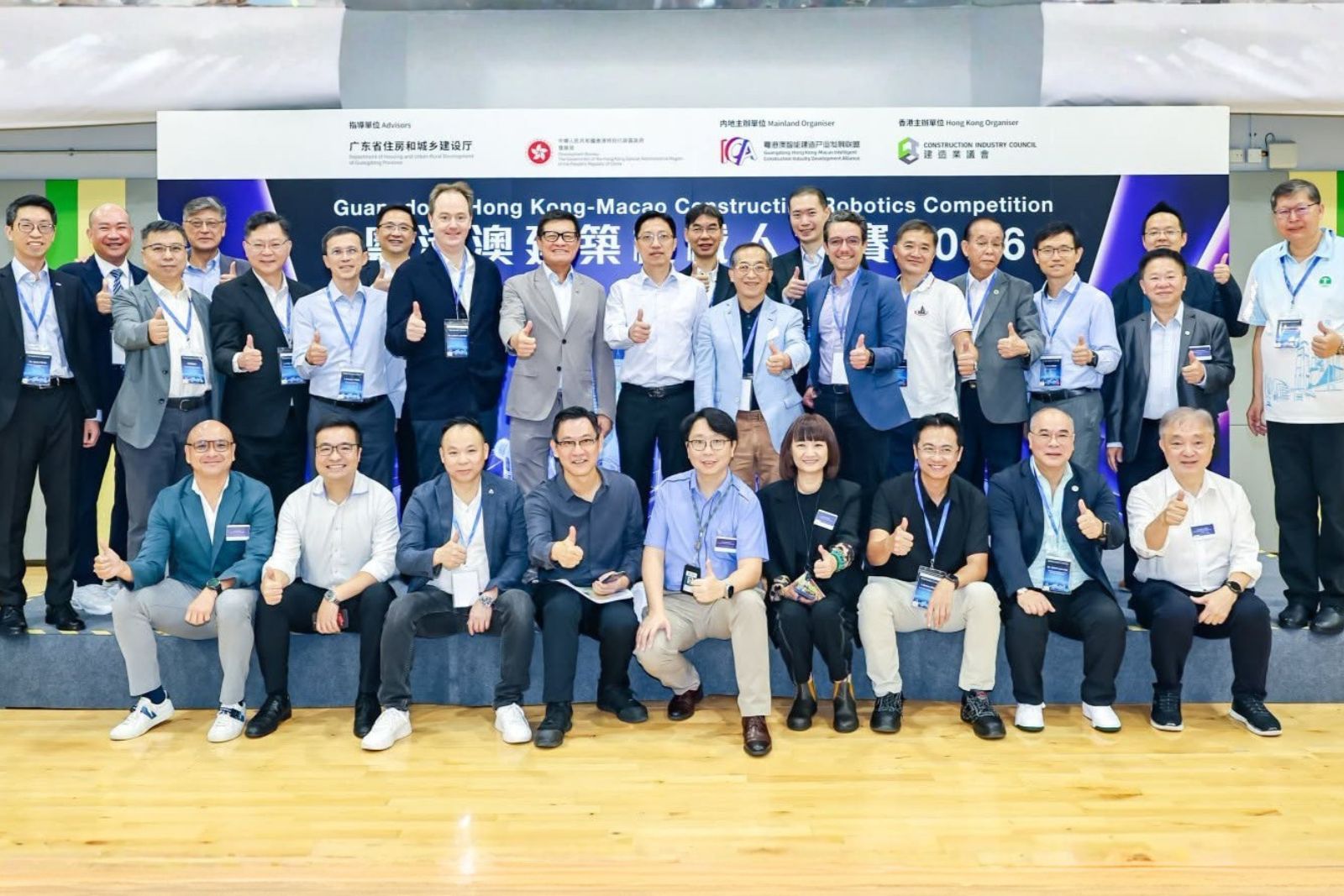
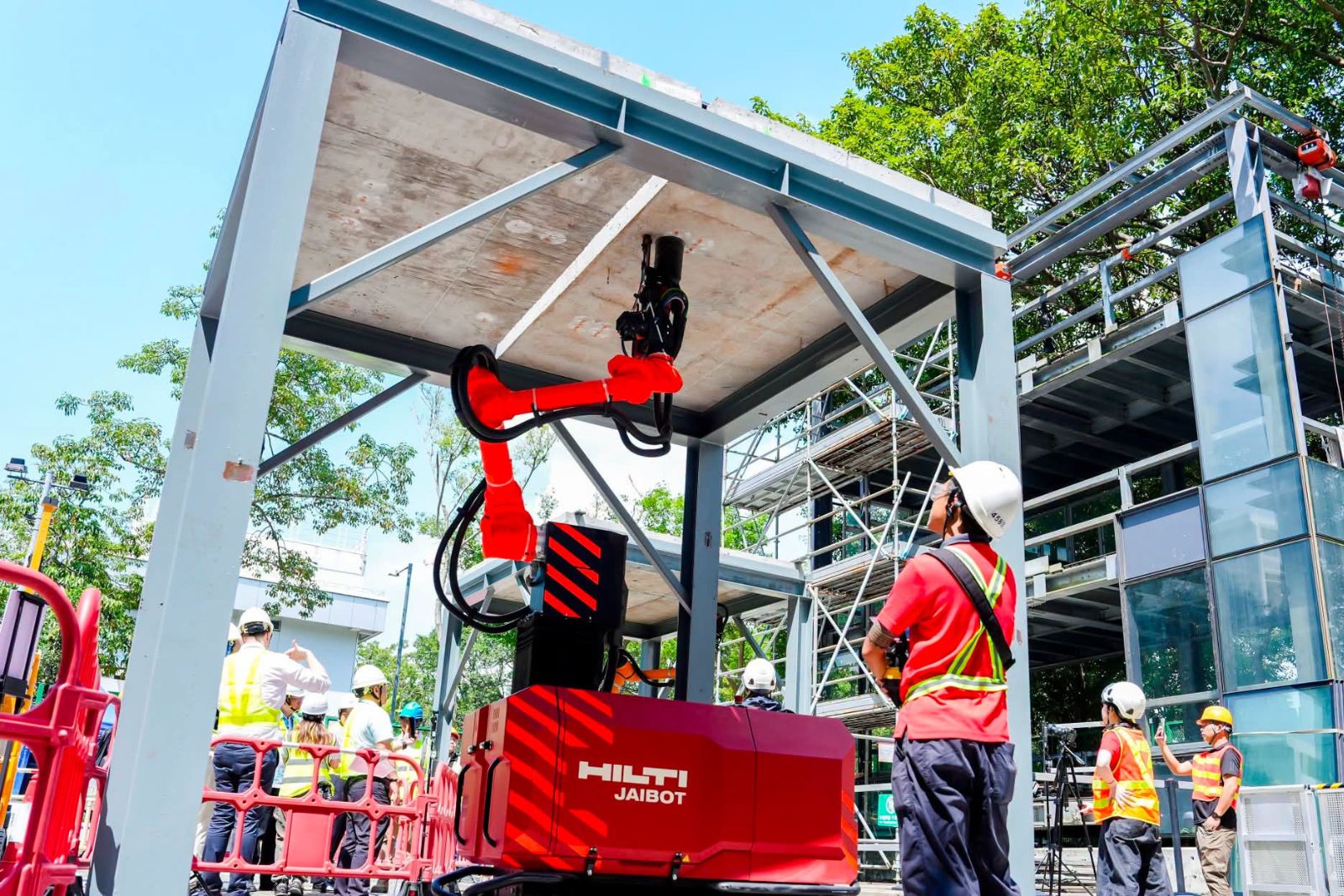
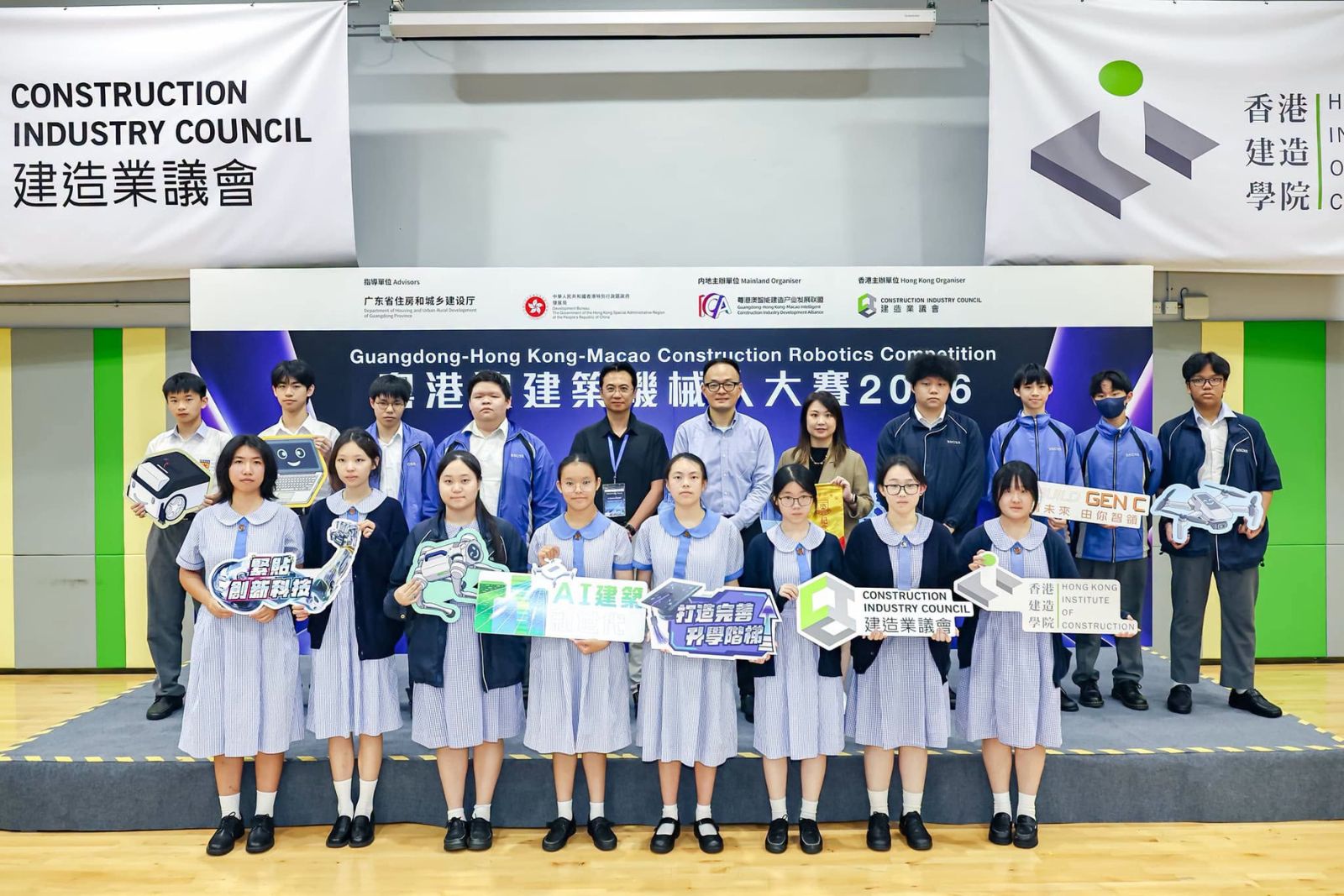
Real-world technology adoption begins on the construction site, and construction robotics is one of the most closely watched innovations in our sector in recent years. Building on the success of the inaugural edition, the CIC—under the guidance of the Department of Housing and Urban-Rural Development of Guangdong Province and Development Bureau—once again joined hands with the Guangdong-Hong Kong-Macao Intelligent Construction Industry Development Alliance in late September to co-organise the “Guangdong–Hong Kong–Macao Construction Robotics Competition 2026”. This year’s event attracted 28 enterprises from Hong Kong, the Chinese Mainland, and overseas, putting 34 construction robots through their paces across nine categories: drilling robots, welding robots, material-handling robots, painting and spraying robots, robotic dogs, drones (indoor inspection), drones (outdoor inspection), surveying and setting-out robots, remote control tower crane systems. Alongside the competition, the “Construction Robotics Interactive Themed Exhibition” held on the same day drew over 1,000 registered participants.
On the day, I served as a judge for the painting and spraying, drone, and remote control tower crane systems categories, observing the competing robots in action first-hand. Closely mirroring real-world site conditions, the judging criteria went beyond merely “getting the job done” to “doing it well”. Alongside local and Mainland experts, the organisers invited three international judges to evaluate technological maturity, safety, and practical value from the perspective of global best practices. In the arena, I witnessed not only impressive demonstrations of robotic capabilities, but also how technological innovation can tangibly strengthen site safety while boosting efficiency. What impressed me most was the remarkable leap in innovation achieved by the competing robots within just six to 12 months. From autonomous drones, robotic dogs, and robotic welding and drilling technologies to the increasingly adopted remote control tower crane systems, the competition underscored the rapid advancement of smart construction. With the 2026 Policy Address earmarking 30 hectares of land in the Northern Metropolis for an advanced construction industry park, a major opportunity has been created for the large-scale deployment of robotics. Today’s competition arena is charting the course for the future of Hong Kong’s construction industry.
Hong Kong Institute of Construction: Nurturing Talent for Smart Construction
For technology to truly take root on site, skilled operators with hands-on capability are indispensable. CIC and the Hong Kong Institute of Construction (HKIC) have long been committed to nurturing construction talent, with HKIC continually rolling out diverse training programmes to equip practitioners with the latest technological knowledge and practical skills.
In the realm of robotics, HKIC has launched a series of Certificate in Robotics Operator courses covering multiple trades, including plastering, building demolition, S960 high-strength steel welding, painting, and surveying and setting-out. Taking the Certificate in Plastering for Robot Operators as an example, the curriculum covers an overview of robotic systems, pre-work preparation, safety protocols and risk management, as well as end-to-end practical site operation—enabling trainees to master the full workflow from planning to execution. Meanwhile, the Certificate in Demolition of Building for Robot Operators integrates safe demolition methodologies with hands-on operation, helping trainees build practical experience within a controlled environment.
At the same time, HKIC’s training spans multiple dimensions of the industry’s smart transformation. Its School of Professional Development in Construction (SPDC) has also introduced a suite of innovation and technology courses covering Artificial Intelligence (AI), drone operation, Digital Twin, Building Information Modelling (BIM, including facilitating BIM diversification and openBIM), the Smart Site Safety System (4S), and Modular Integrated Construction (MiC). These programmes provide diverse continuing education pathways for practitioners across different roles, holistically cultivating talent for smart construction.
The true value of these courses lies in translating innovative technologies into everyday site practice. I encourage industry practitioners to proactively upskill and embrace human-machine collaboration, turning robots into trusted partners on the frontline as we build a smarter construction industry together.
CIC AI Assistant (Construction Safety): Empowering Frontline Workers to Embrace Safety Tech
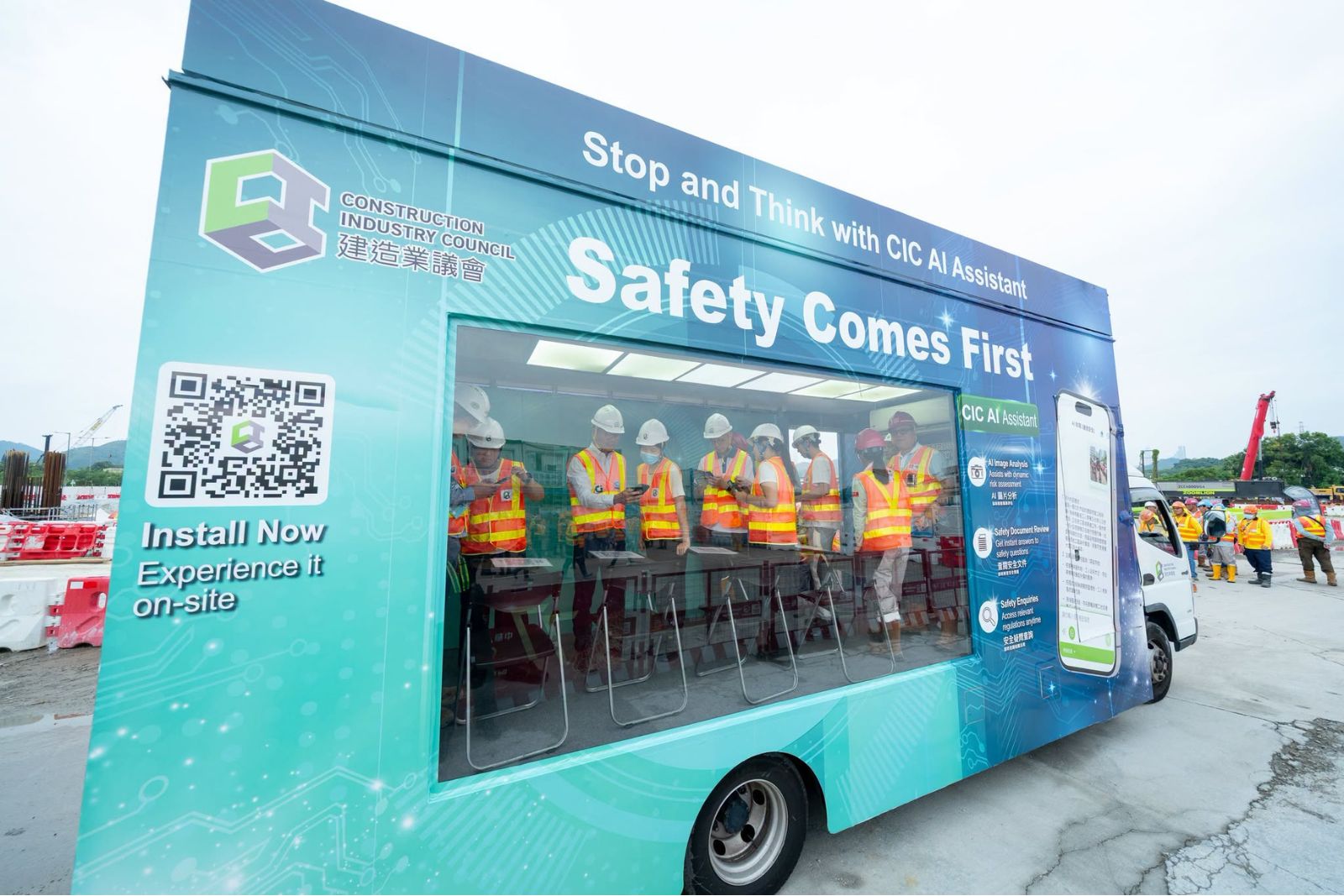
Launched by CIC, the “CIC AI Assistant (Construction Safety)” is a concrete example of applying innovation directly to site safety. For any tool to deliver maximum impact, widespread adoption is key. To this end, CIC recently rolled out a brand-new television commercial and a promotional roving vehicle to bring the CIC AI Assistant to construction sites across Hong Kong—embedding innovation into daily site management so that more workers can benefit from enhanced safety standards.
The new television commercial carries the theme “Stop and Think Try the CIC AI Assistant Now”. Meanwhile, our promotional vehicle has officially hit the road alongside Safety Promotion Ambassadors, visiting jobsites to provide frontline workers with one-on-one guidance on downloading and using the CIC AI Assistant. The response from workers has been overwhelmingly positive. Over the next two months, the vehicle will visit more construction sites and urban hotspots to further promote site safety among workers and the general public.
The CIC AI Assistant is helping over 120,000 construction practitioners access safety knowledge and practical solutions directly on site. I warmly invite all supervisors and frontline workers to download and actively use the CIC AI Assistant to conduct dynamic risk assessments before starting work. Simply by snapping a photo of the site with a mobile phone, users can quickly identify potential safety hazards and instantly look up relevant safety legislation and guidelines. Free of charge and easy to use, the tool helps everyone spot potential dangers early. However, I must emphasise that the AI Assistant is a supplementary tool and is no substitute for the professional judgement of qualified safety personnel. Only when technology and professional judgement work in tandem can we build a truly robust line of defense for site safety.
Construction Month 2026: Bringing Smart Construction Closer to the Community
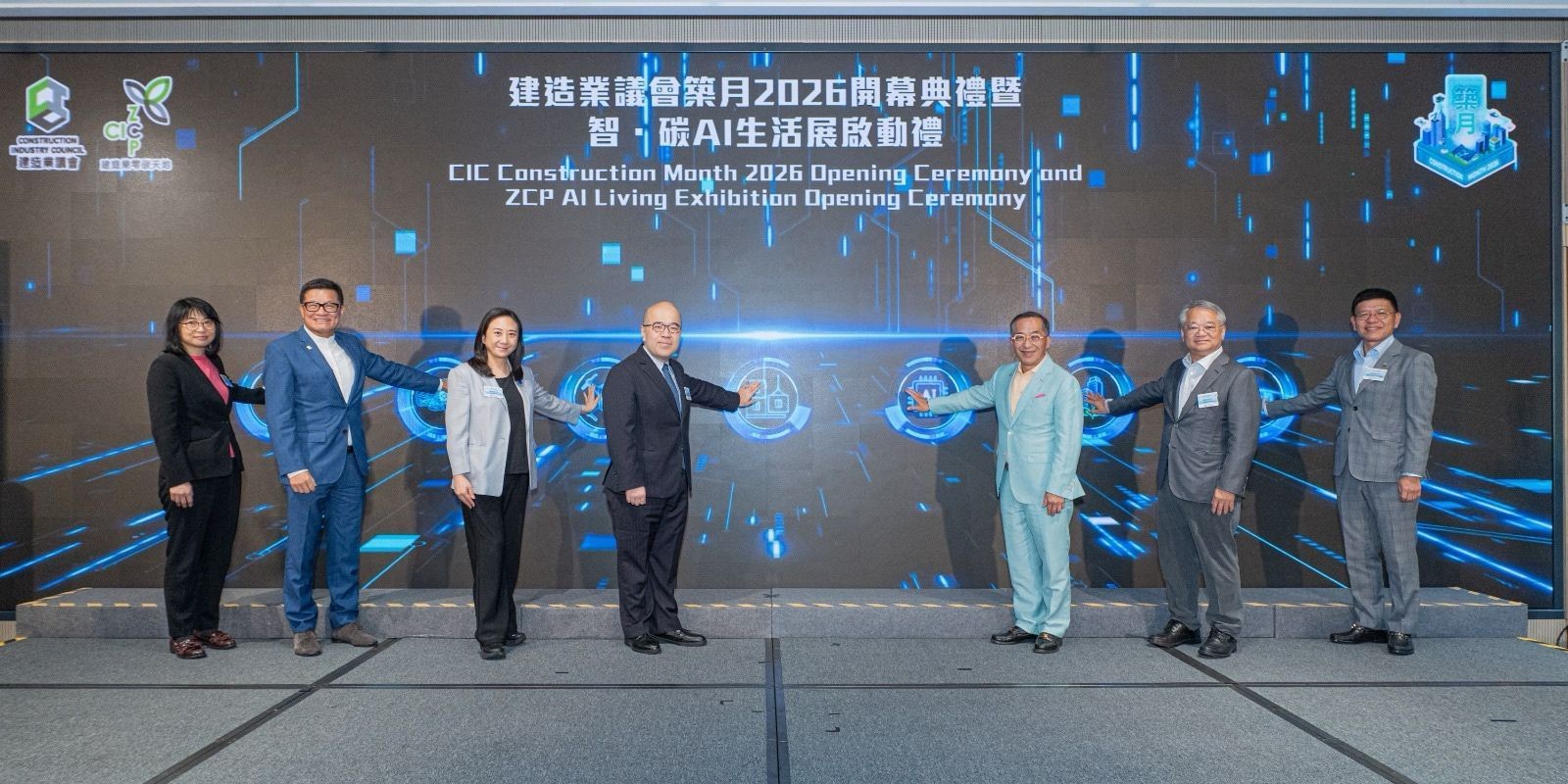
Beyond driving tech adoption within the sector, CIC is equally committed to bringing innovative technologies closer to the public. CIC’s annual signature event, “Construction Month 2026”, kicked off in mid-October at CIC-Zero Carbon Park under the theme “AI-Powered Smart Construction for a Sustainable Future”. Running from October to December, the programme features over 30 events—ranging from exhibitions, award ceremonies, and seminars to STEAM education activities and sports events—fully showcasing the latest advancements in smart construction and green building. It was a great pleasure to officiate at the “Construction Month 2026” Opening Ceremony alongside distinguished guests to witness the latest achievements in construction technology and sustainability. Through this series of events, we hope to offer more members of the public a first-hand experience of how innovation improves everyday living.
AI is rapidly reshaping global industrial models, and the construction sector is likewise stepping into a new era of digitalisation, smart technologies, and sustainable development. Through “Construction Month 2026”, CIC aims to showcase how AI and construction technologies drive innovation, while encouraging the industry to embrace sustainability as we jointly build a safer, more efficient, smarter, and lower-carbon built environment.
Construction Innovation Expo: Building a Better Future Together
CIC’s triennial flagship event, the “Construction Innovation Expo 2026” (CIExpo), will take place from 23 to 25 November, bringing together local and international industry leaders to showcase innovative building technologies and foster knowledge exchange. Alongside the exhibition, award ceremonies, international conferences, and technical tours, HKIC will host the “Smart Construction, Construction Industry Vocational, Professional Education and Training International Forum”. Themed “Building the Future: From Craftsmanship to Smart Construction”, the forum will trace the evolution of Hong Kong’s construction industry from traditional apprenticeships and the spirit of craftsmanship to the era of smart construction—echoing our long-standing conviction: as technology moves forward, the spirit of craftsmanship remains unchanged.
I warmly invite all industry stakeholders to participate actively and translate the insights gained from the exhibition and exchanges into tangible improvements in safety, quality, and productivity. As technology redefines how we build, CIC continues to play a leading role in driving the comprehensive upgrading and transformation of Hong Kong’s construction sector—working hand in hand with the industry to build a safer, smarter, and more reliable construction ecosystem for a better future.