We provide Construction Workers Registration service, and introduce Registered Specialist Trade Contractors Scheme as well as the Technically Competent Persons Registration Scheme to the construction industry.
We provide Construction Workers Registration service, and introduce Registered Specialist Trade Contractors Scheme as well as the Technically Competent Persons Registration Scheme to the construction industry.
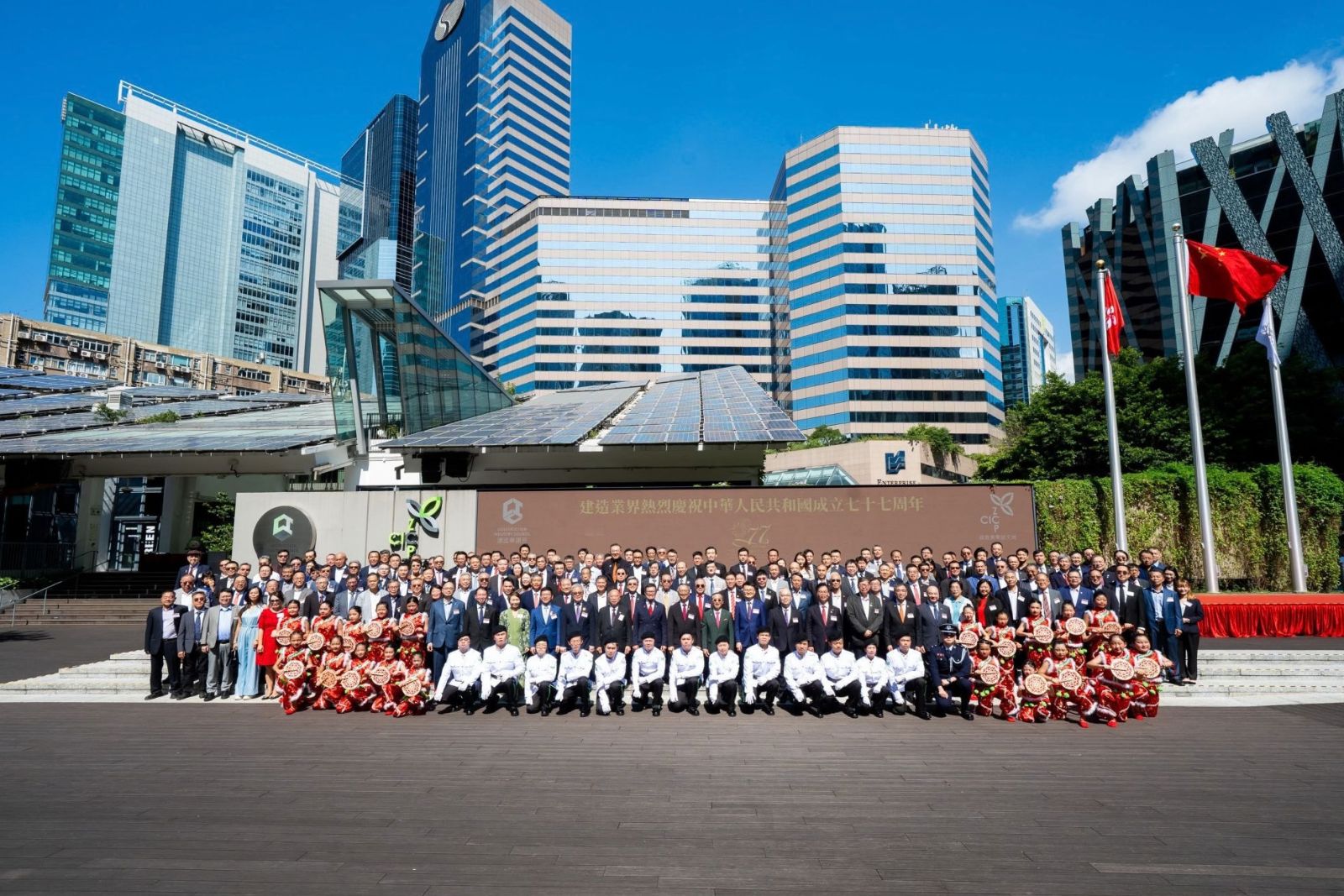
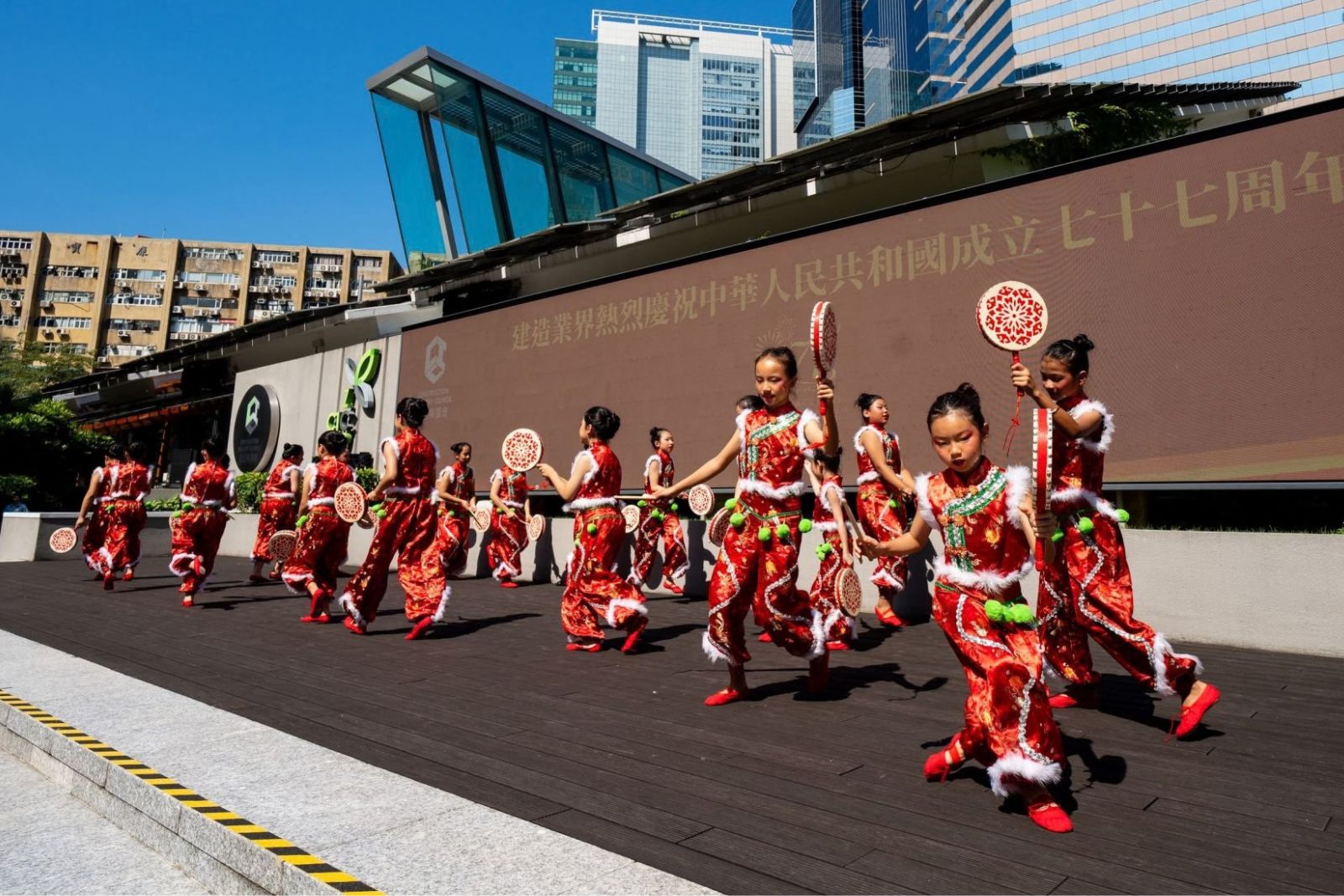
The 1st of October marks the momentous 77th anniversary of the founding of the People’s Republic of China. To commemorate this occasion, the Construction Industry Council (CIC) held a flag-raising ceremony, joining industry representatives to reflect on our nation’s development and contemplate Hong Kong’s strategic positioning. The construction industry has always progressed in lockstep with Hong Kong; from roads and bridges to buildings and infrastructure, every project underpins the daily lives of our citizens and the advancement of our society. This year, Hong Kong formulated its first Five-Year Plan, proactively aligning with the national 15th Five-Year Plan. The CIC steadfastly supports Hong Kong’s integration into the national development blueprint and will actively assist the industry in seizing the ensuing opportunities. Looking ahead, our responsibility is not merely to build more, but to build safer and smarter. By synergising stronger leadership, innovative capabilities, and world-class skills, we are committed to propelling Hong Kong’s construction industry to unprecedented heights.
Future Construction Excellence (FCE) Programme 2026: Nurturing Industry Leaders with a Global Vision
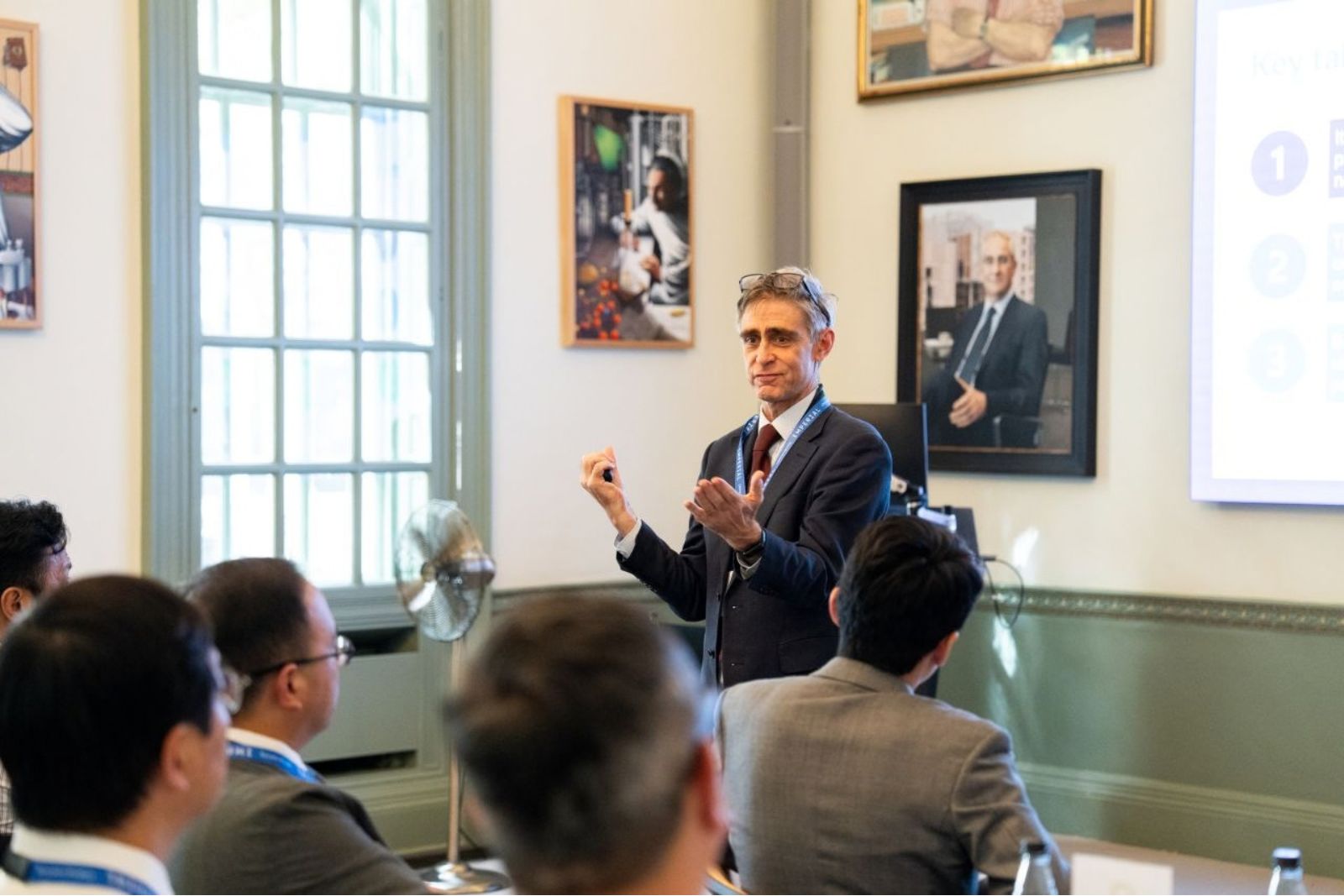
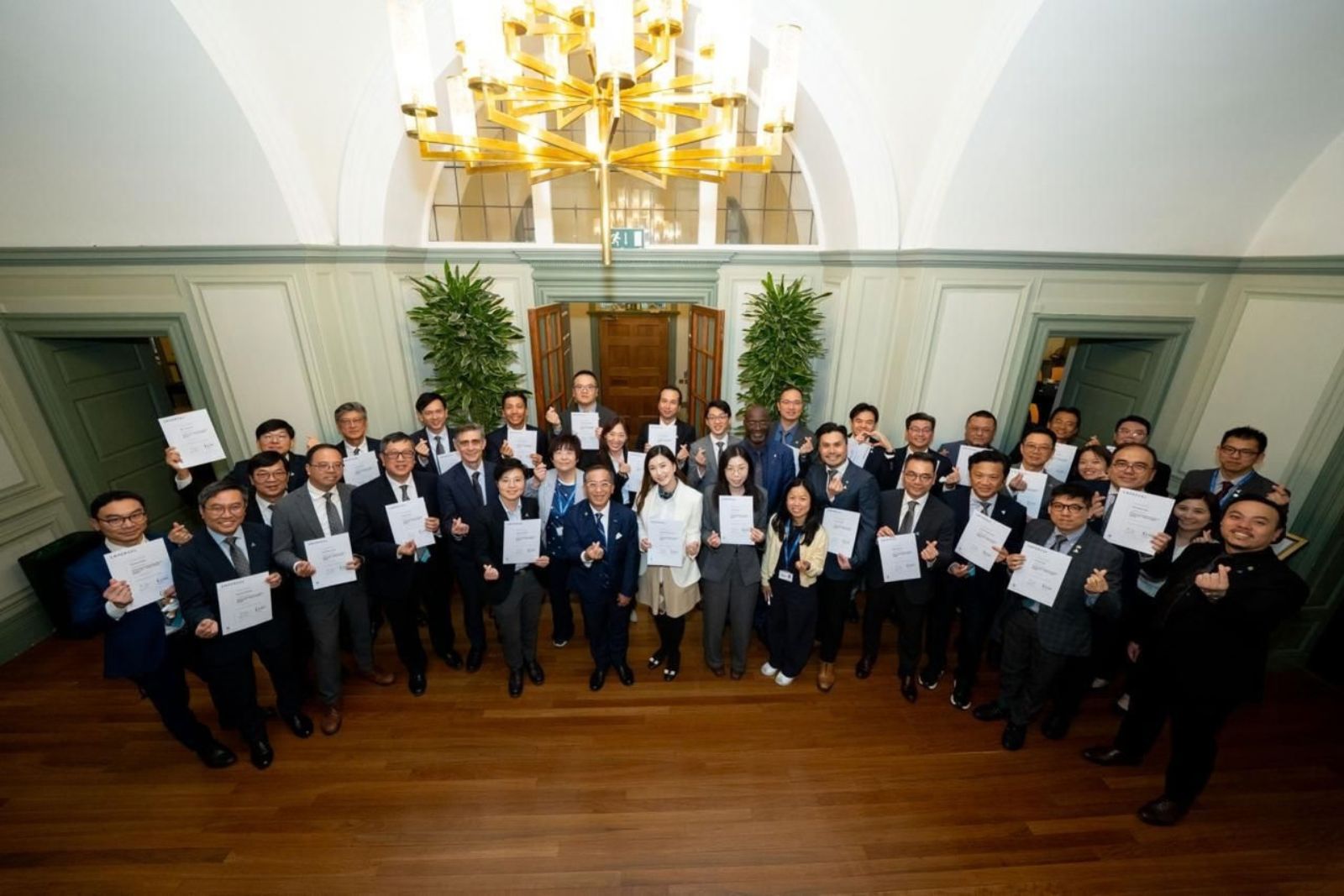
To drive industry development, leadership is paramount. Last month, the School of Professional Development in Construction (SPDC) hosted the "Future Construction Excellence (FCE) Programme 2026" over five intensive days in the UK. Through a blend of academic learning at Imperial College London, site visits, expert sharing, and networking, participants gained profound insights into the latest global construction trends. This highly rewarding journey yielded five key takeaways:
"Systems within Systems" Thinking: Construction projects are never isolated entities; they are subject to a myriad of interconnected factors, including geopolitics, economic cycles, human needs, and regulatory frameworks. This paradigm requires us to transcend a singular viewpoint and manage projects as holistic systems, identifying correlations and risks early in the planning phase. Many international clients and contractors have already adopted this approach to enhance project quality and resilience—a practice well worth emulating locally.
Modern Methods of Construction (MMC): MMC encompasses various technologies, including Modular Integrated Construction (MiC) and Multi-trade Integrated Mechanical, Electrical and Plumbing (MiMEP). The underlying logic is to shift labour-intensive on-site processes to off-site factory prefabrication, followed by precision assembly on site. This model significantly elevates quality, efficiency, safety, and sustainability. Its success, however, hinges on the integration of concepts like Design for Manufacture and Assembly (DfMA). During our visit to a premier DfMA factory in the UK, I was deeply impressed by their exceptional quality standards, precision control, and process management. The Five-Year Plan explicitly mandates that no less than half of the public housing projects scheduled for completion between 2026/27 and 2030/31 must adopt MiC. Faced with immense construction demand, we must aggressively implement MMC to streamline workflows and compress project schedules.
Artificial Intelligence (AI) Application and Governance: The programme featured extensive discussions on AI. My key takeaway is that to successfully drive industry transformation, AI must be placed at the heart of our organisations, with more AI agents developed to assist in daily operations. However, as AI adoption scales, so do the associated risks; hence, robust AI governance is equally critical. Furthermore, leaders must develop sufficient AI knowledge and capabilities to genuinely guide their teams in embracing these technologies.
Sustainability and Human-Centricity: Europe is undeniably at the vanguard of sustainable development. They integrate energy considerations right from the design phase and create a closed-loop system encompassing design, testing, commissioning, and feedback for continuous energy performance monitoring. This is a vital direction for our own learning.
Insights on Safety Culture: Direct on-site supervision is indispensable. When coupled with supplementary tools like alerts and sensors, site risks can be drastically mitigated. Crucially, a robust safety culture must be driven by visible and committed leadership; it is only through face-to-face engagement with frontline personnel that a true safety culture can be embedded.
This module has stimulated our thinking on which international best practices can be adapted and applied to Hong Kong’s projects. The true value of a global vision lies in illuminating the path forward, allowing us to chart a viable course tailored to our local context.
Innovation at Every Level: Empowering SMEs for Transformation
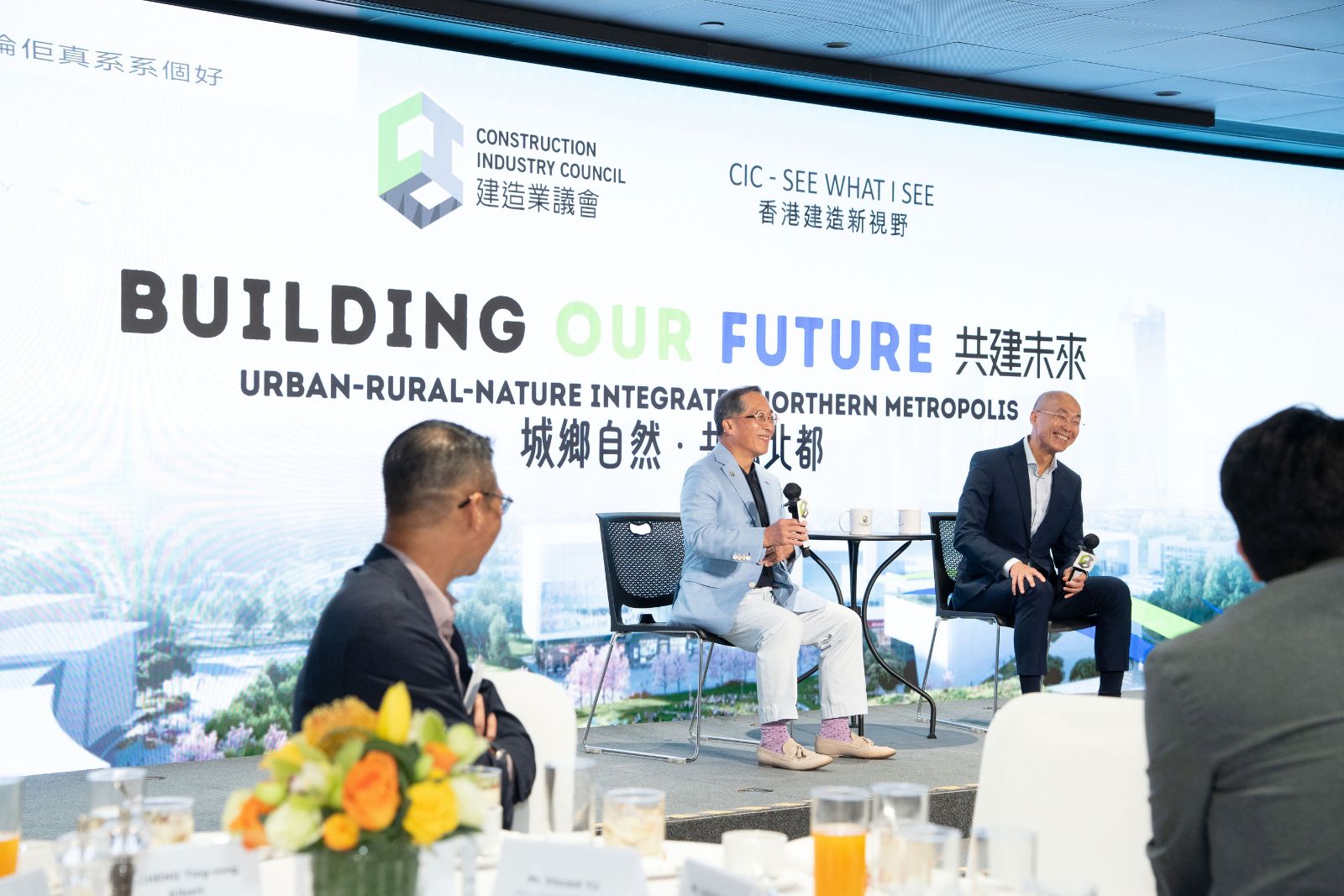
Last month’s "CIC – See What I See" event featured Ir Michael FONG, Director of Civil Engineering and Development, as the keynote speaker. He shared how pioneering engineering solutions in the Northern Metropolis are redefining community development and value. He noted that the Northern Metropolis presents a unique opportunity to integrate urban development, rural communities, and the natural environment. Through initiatives like the Hong Kong Nature-based Solutions Design Guidelines, urban-rural integration measures, and the proposed Northern Metropolis Urban-Rural Integration Fund, the Civil Engineering and Development Department (CEDD) demonstrated that innovation drives not only construction excellence but also a more resilient and sustainable future.
At the event, I also emphasised that delivering transformative projects like the Northern Metropolis demands a new generation of leaders who possess systems thinking, embrace technology, and excel in cross-disciplinary collaboration. As evidenced by the FCE programme, systems thinking, AI, MMC, and sustainable development are the cornerstones of shaping future communities.
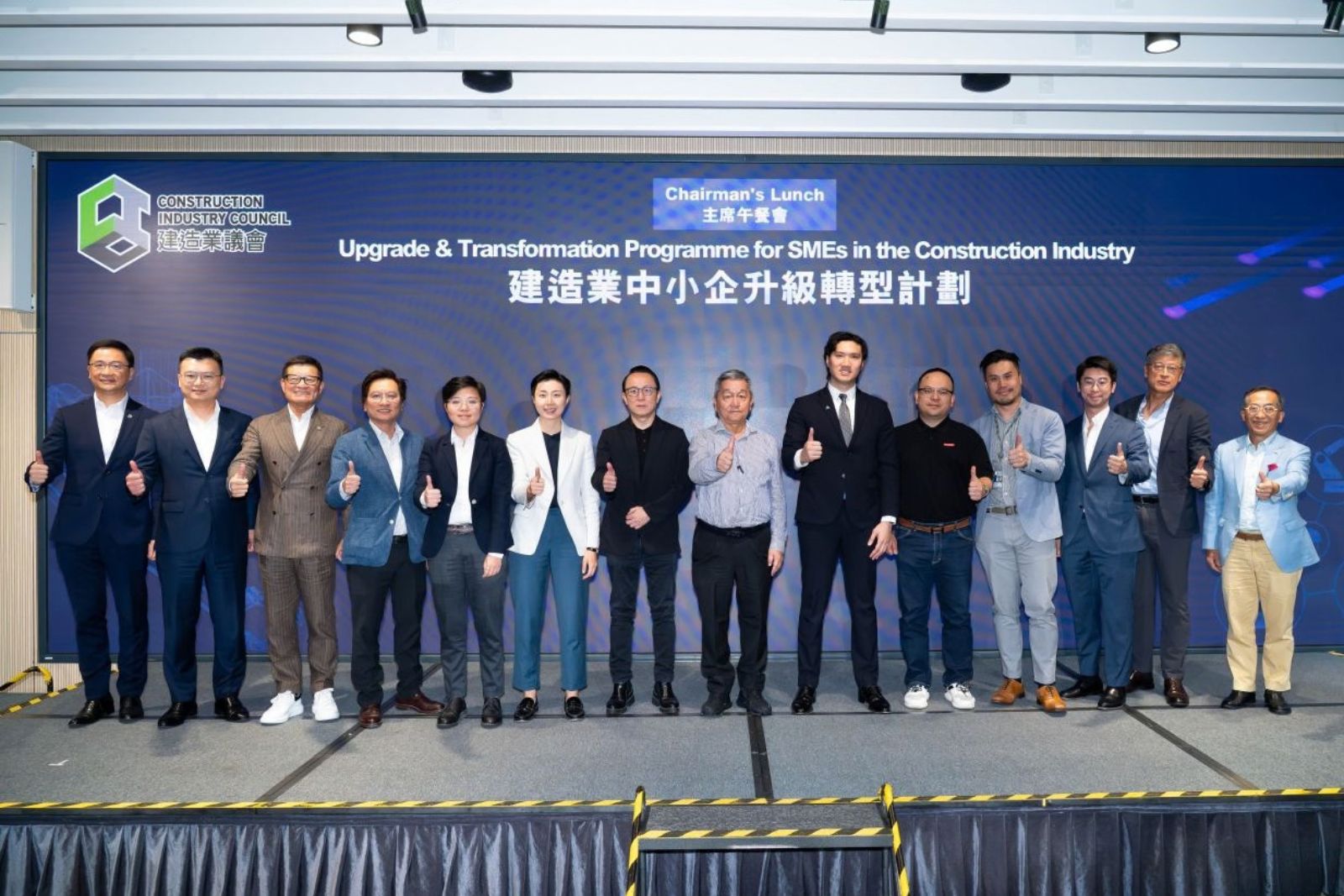
However, industry transformation cannot be confined to major contractors or flagship projects; Small and Medium Enterprises (SMEs) are a vital cog in the construction supply chain. Therefore, the CIC actively encourages SMEs to embark on practical digital adoption to boost productivity, safety, and competitiveness. Last month’s Chairman’s Lunch, themed "Upgrade and Transformation Programme for SMEs in the Construction Industry," was designed precisely for this purpose. The event brought together industry leaders and AI solution vendors to share their transformation journeys, illustrating how SMEs can start small with technology and progressively scale digital transformation across their operations. I extend my sincere gratitude to all the speakers for their invaluable insights.
GBA Delegation: Leveraging Regional Experience and Adopting Frontier Technologies
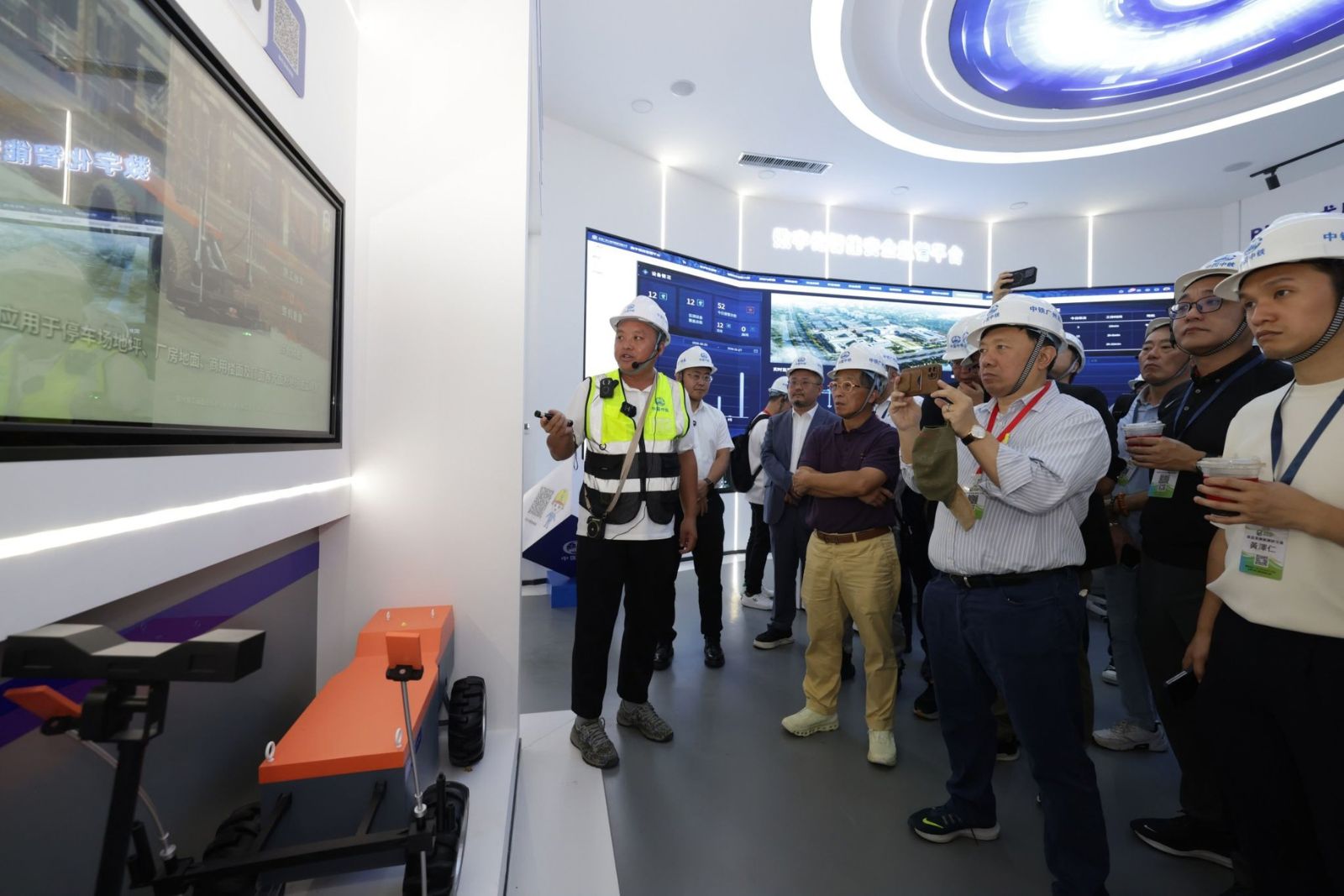
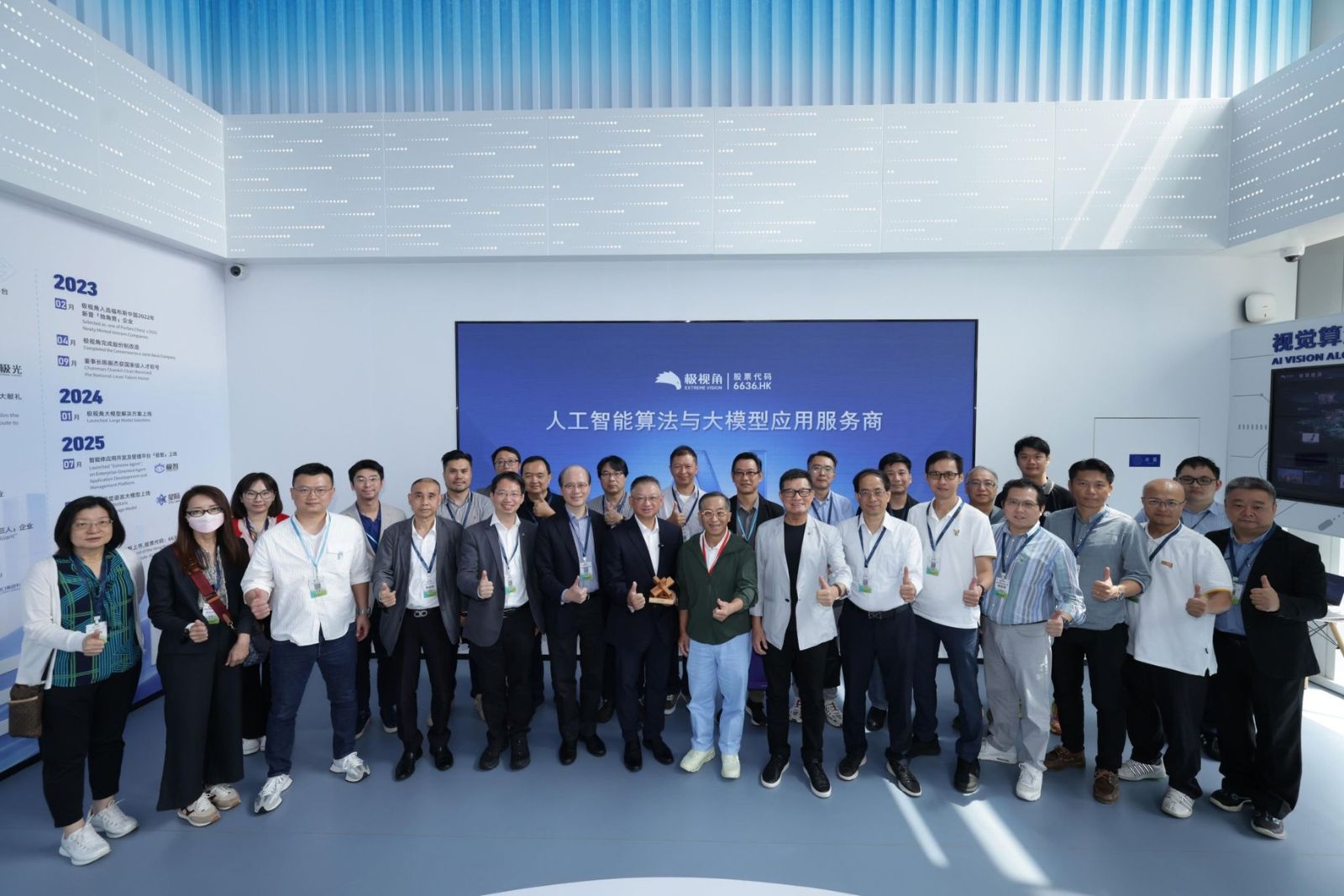
Beyond our international outreach, we place equal emphasis on collaboration within the Greater Bay Area (GBA). Last month, I led a CIC delegation to visit several projects across the GBA, witnessing firsthand the latest breakthroughs in AI, new energy technologies, and smart construction management.
In the realm of AI, we saw how AI visual algorithms are applied to site safety monitoring, project management, and quality assurance. We also observed electric dump trucks equipped with fatigue driving detection, blind-spot monitoring, and radar-assisted sensing systems. The "AI + Construction" model, utilising rapid modelling and AI-assisted tools, is empowering teams to identify risks earlier and make data-driven decisions.
Regarding construction technology, the Shenzhen Mangrove Wetland Museum project showcased how innovative tech enhances construction efficiency and safety management. At Phase II of the HKUST (Guangzhou) campus, a remote tower crane system allows workers to conduct lifting operations from a ground-based control cabin, featuring anti-collision controls and a three-tier safety mechanism ("Warning, Deceleration, and Stop") that drastically improves lifting safety. Furthermore, the Luohu Hospital of Traditional Chinese Medicine Expansion Project introduced a smart air-dome system over the foundation pit, blocking over 99% of dust and reducing noise by more than 40 decibels, significantly minimising community impact and offering a valuable benchmark for our industry.
These visits fostered mutual learning between the two regions. The CIC will continue to deepen GBA collaboration in technology, talent development, and industrial advancement, steering the industry towards a more efficient, high-quality, and sustainable future.
WorldSkills Competition: World-Class Skills and Hong Kong's Craftsmanship
Last month, I was in Shanghai to witness young talents from across the globe demonstrate the pinnacle of vocational excellence at the 48th WorldSkills Competition.
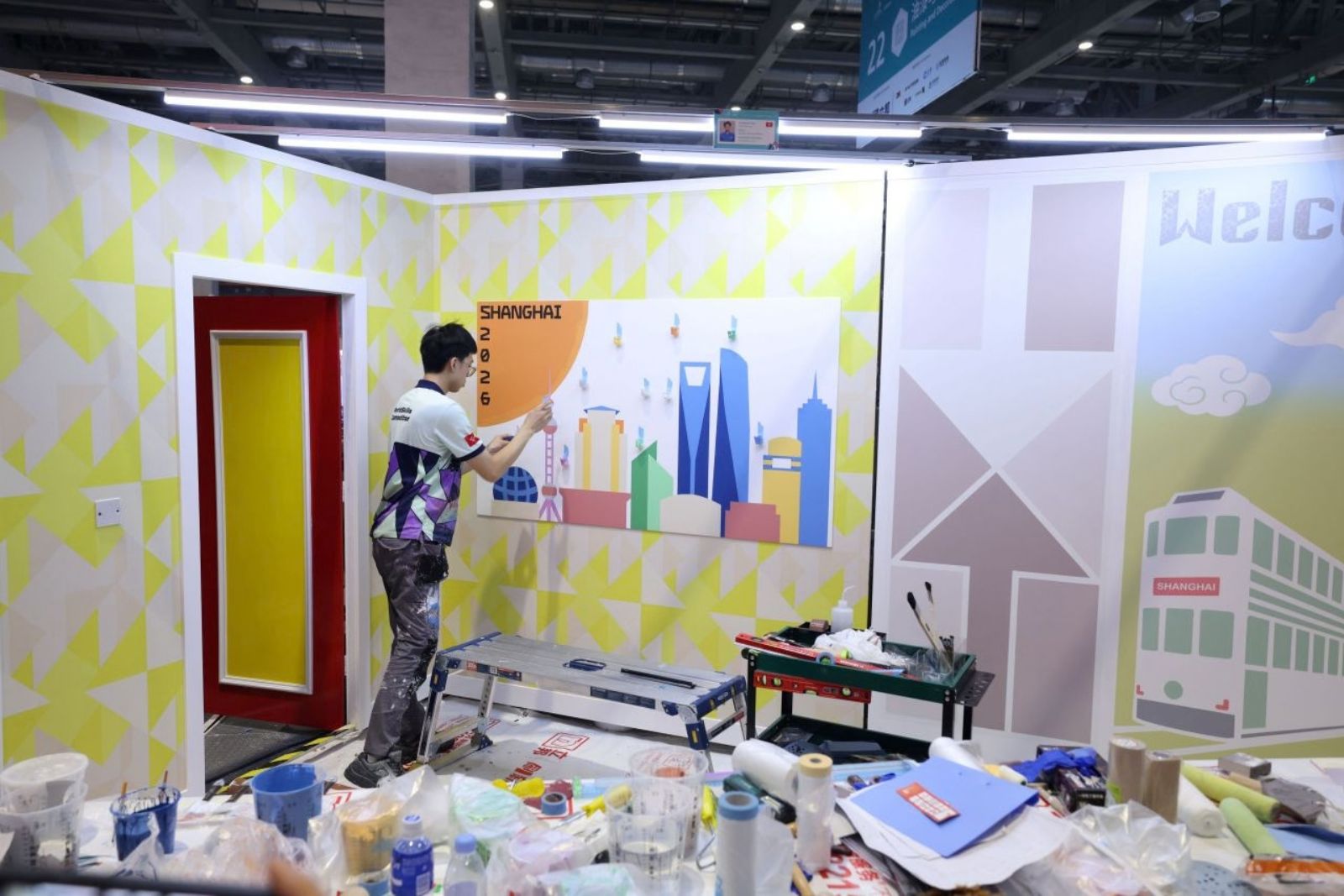
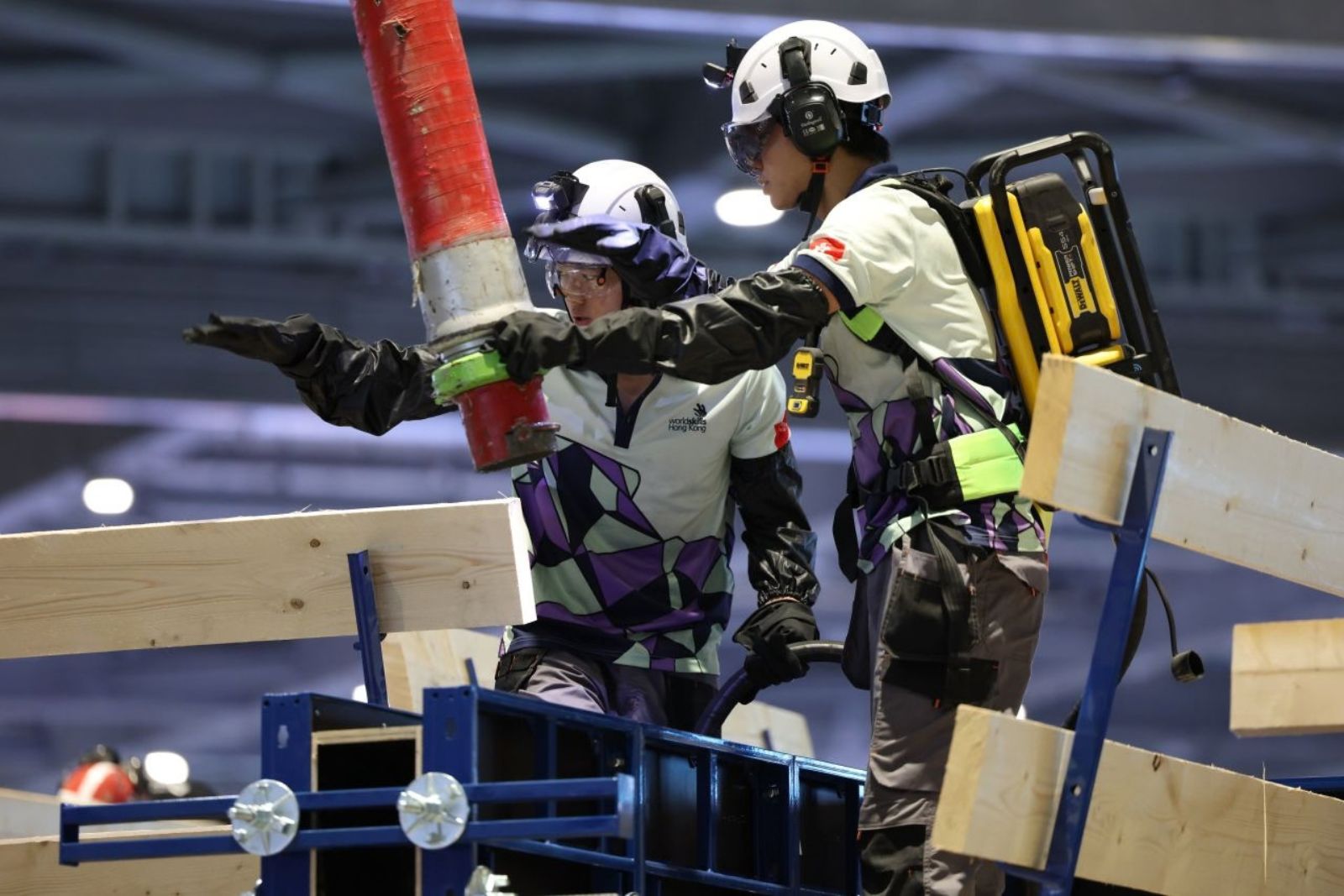
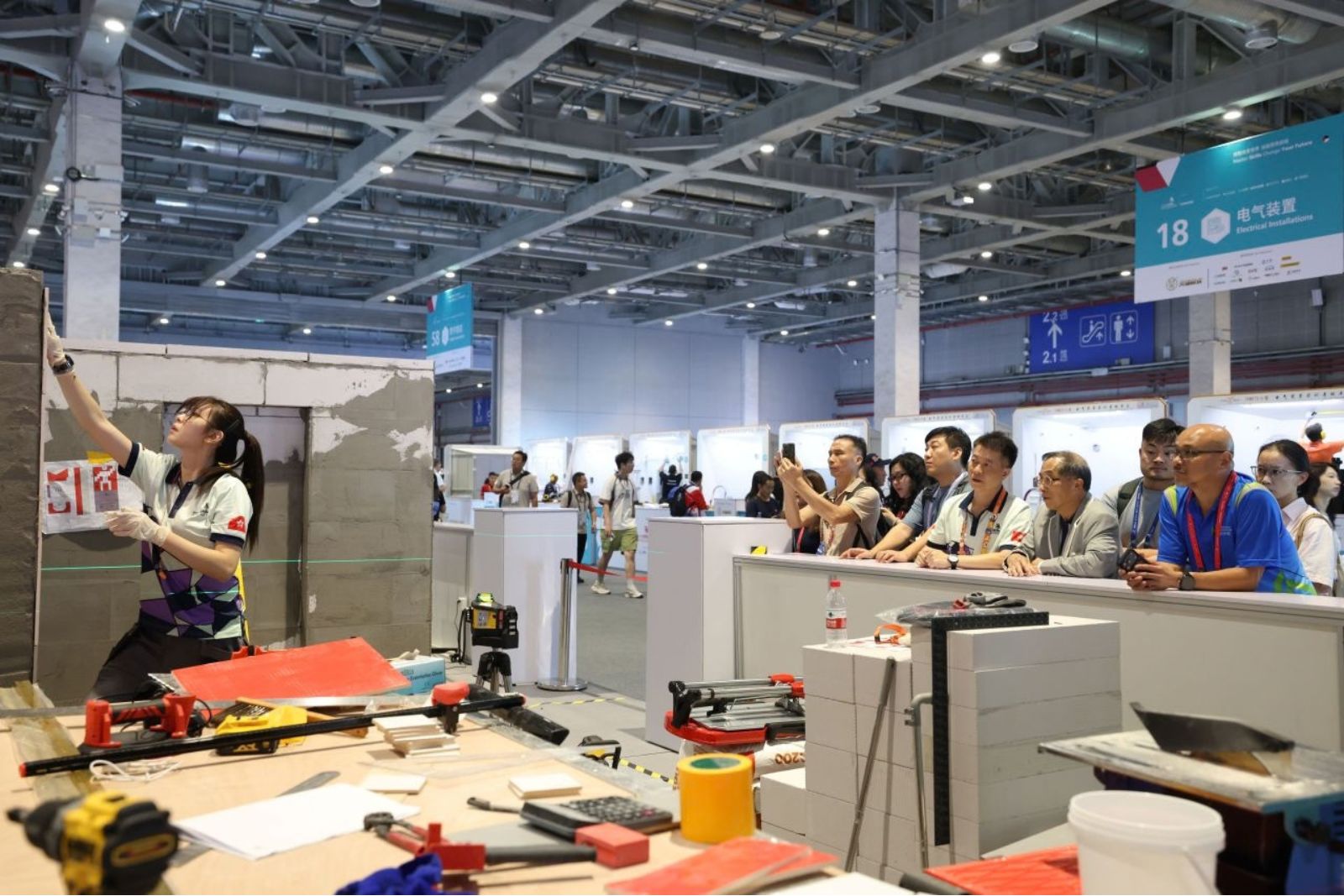
With the CIC’s support, nine competitors represented Hong Kong across eight construction-related trades, including Bricklaying, Cabinetmaking, Concrete Construction Work, Joinery, Painting and Decorating, Plumbing and Heating, Wall and Floor Tiling, and Welding. This was not only the largest delegation ever supported by the CIC, but also the best results achieved in CIC’s history – three Medallions for Excellence, including HUANG To-kong and WAN Tsz-ho in the Concrete Construction Work skill category, LAW Chak-sum in the Painting and Decorating skill category, as well as TSE Yu-lok in the Welding skill category! The only female competitor in the Wall and Floor Tiling, TAI Hsin-I also caught much attention with her composed performance. I am very proud of their outstanding performance. Cheering them on in person, I was deeply moved by their unwavering focus and perseverance. Regardless of the final results, every competitor’s journey was immensely meaningful, embodying precision, professionalism, safety, dedication, and the true spirit of craftsmanship.
WorldSkills is more than a competitive arena; it is a platform for Hong Kong’s competitors to benchmark against top-tier global standards and broaden their horizons. Their participation also sends a powerful message to the public, especially the younger generation: mastering construction skills paves the way for robust career development, international opportunities, and a profession of which one can be immensely proud.
Our nation’s development brings unprecedented opportunities to Hong Kong, but translating these opportunities into tangible success relies on our people. From nurturing leaders with a global vision through the FCE programme, to empowering SMEs for digital transformation, and cultivating young artisans at the WorldSkills Competition, the CIC is building industry capacity across all levels. Moving forward, the CIC will continue to harmonise global insights, regional collaboration, and local action, working hand-in-hand with the industry to build a safer, smarter, and highly productive and more competitive construction industry for Hong Kong!