We provide Construction Workers Registration service, and introduce Registered Specialist Trade Contractors Scheme as well as the Technically Competent Persons Registration Scheme to the construction industry.
We provide Construction Workers Registration service, and introduce Registered Specialist Trade Contractors Scheme as well as the Technically Competent Persons Registration Scheme to the construction industry.
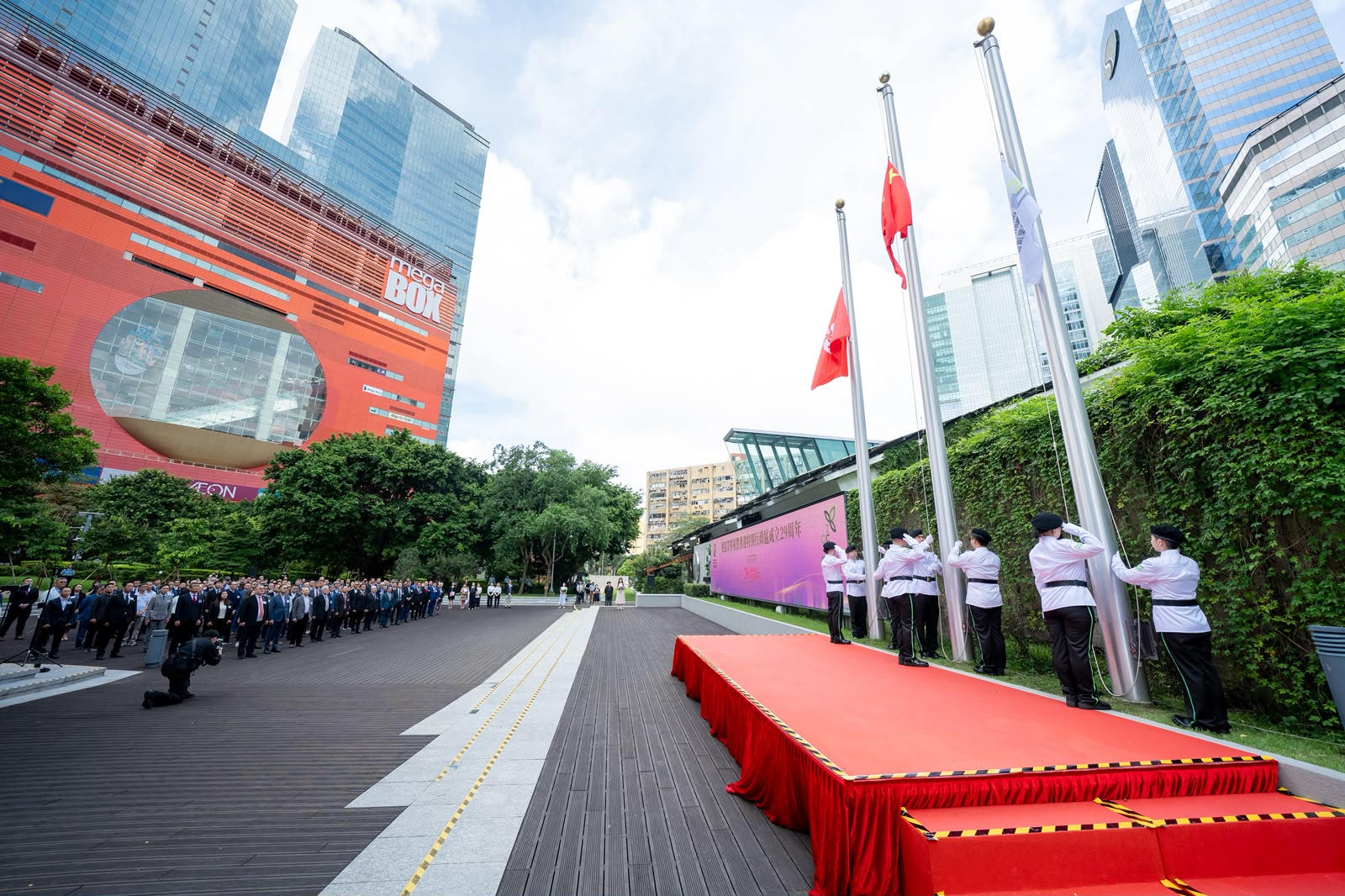
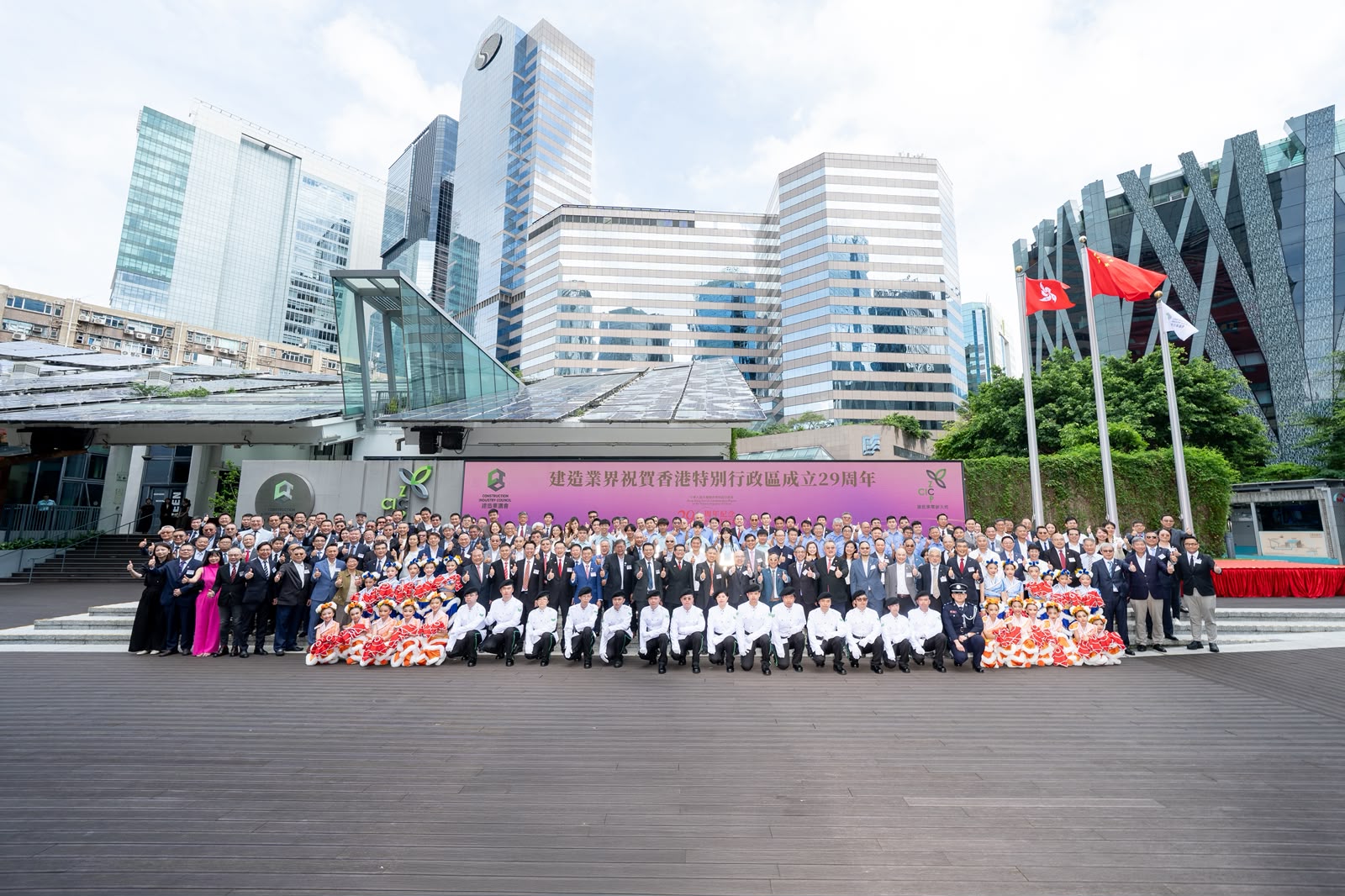
1 July is a momentous day marking Hong Kong's return to the motherland; it is also a time for us to reflect on the past and look to the future. This year marks the beginning of the National 15th Five-Year Plan, and the deep integration of Artificial Intelligence (AI) with traditional industries is bringing unprecedented opportunities to the construction sector. The transformation and upgrading of Hong Kong's construction industry are advancing in tandem with our nation's development trajectory. The Construction Industry Council (CIC) has had a highly productive month—from overseas study tours to local summits, I have witnessed numerous high-level exchanges focused on AI. Each happening has provided profound inspiration, allowing me to think more clearly about how to translate the vision of smart construction into reality, step by step.
Global Perspectives on AI Governance and Local Technological Strategies
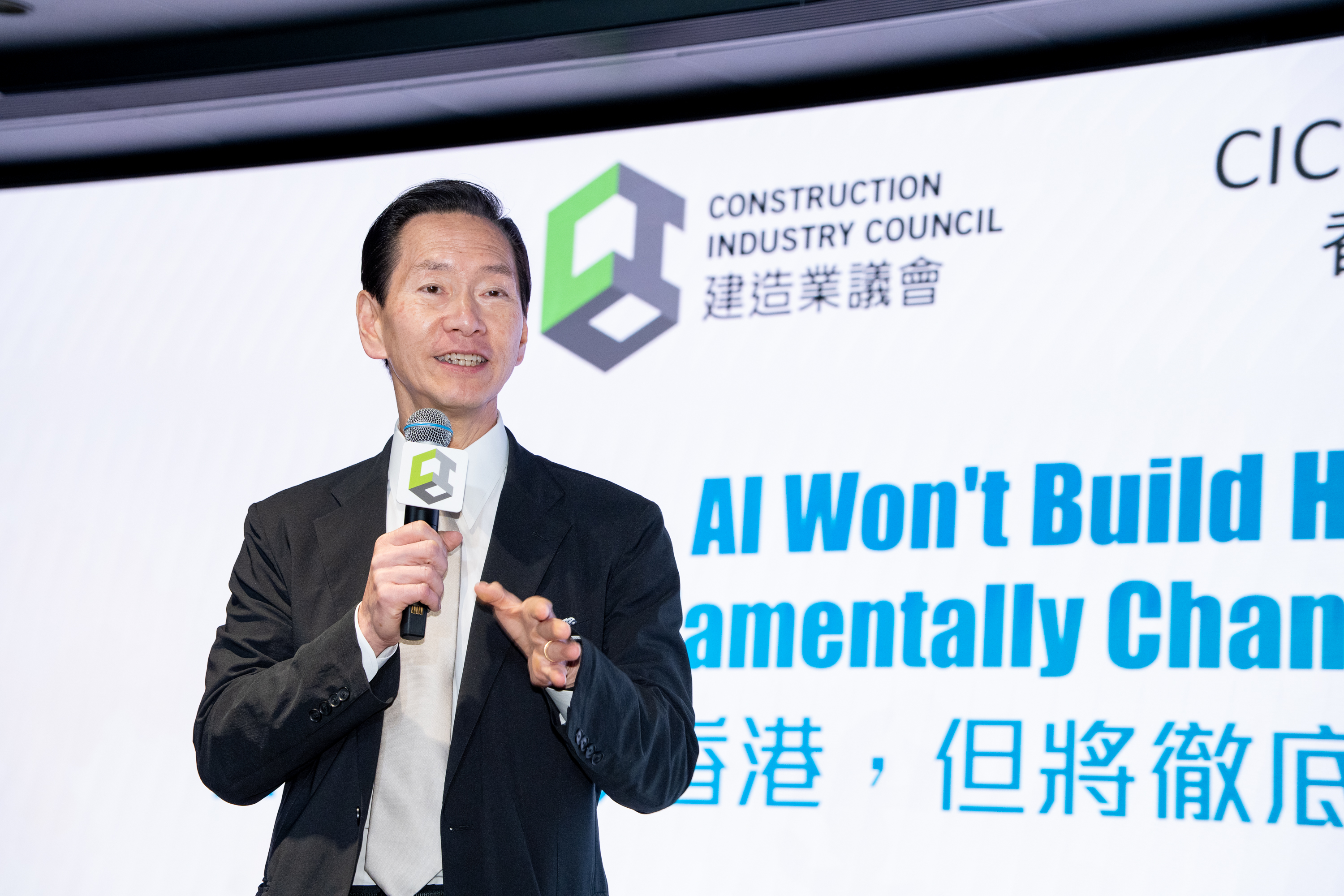
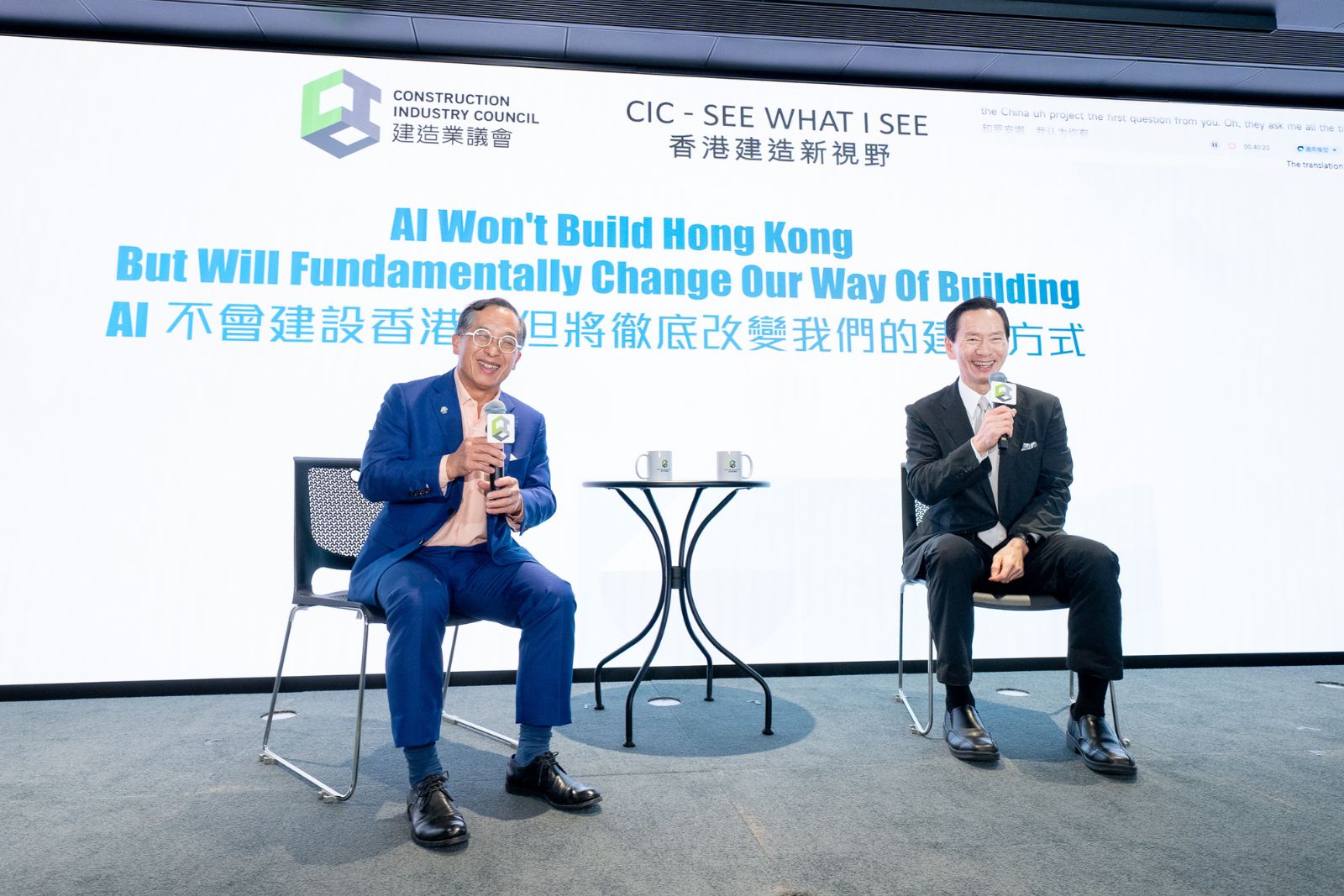
I was delighted to invite Hon Bernard CHAN, Chairman of Our Hong Kong Foundation, as the keynote speaker for the "CIC – See What I See" event in June. He reminded the industry that AI will not replace us in building Hong Kong, but it will fundamentally change the way we build it. Sharing insights from an international forum he attended earlier this year, he noted a consensus among global leaders that AI governance has become a universal challenge.
For the Hong Kong construction industry, we are at a critical juncture of accelerated digitalisation. While AI applications are becoming increasingly widespread, stability of the technology supply chain cannot be overlooked. As we introduce mature international technologies, we must also consider how to progressively build our local autonomous technological capabilities. His insights elevated the discussion of AI from mere technical concepts to the realms of industry mindset, leadership vision, and long-term competitiveness, reminding us to maintain a global perspective while actively preparing for future changes.
Pooling Cross-Sector Wisdom to Drive Industry Transformation
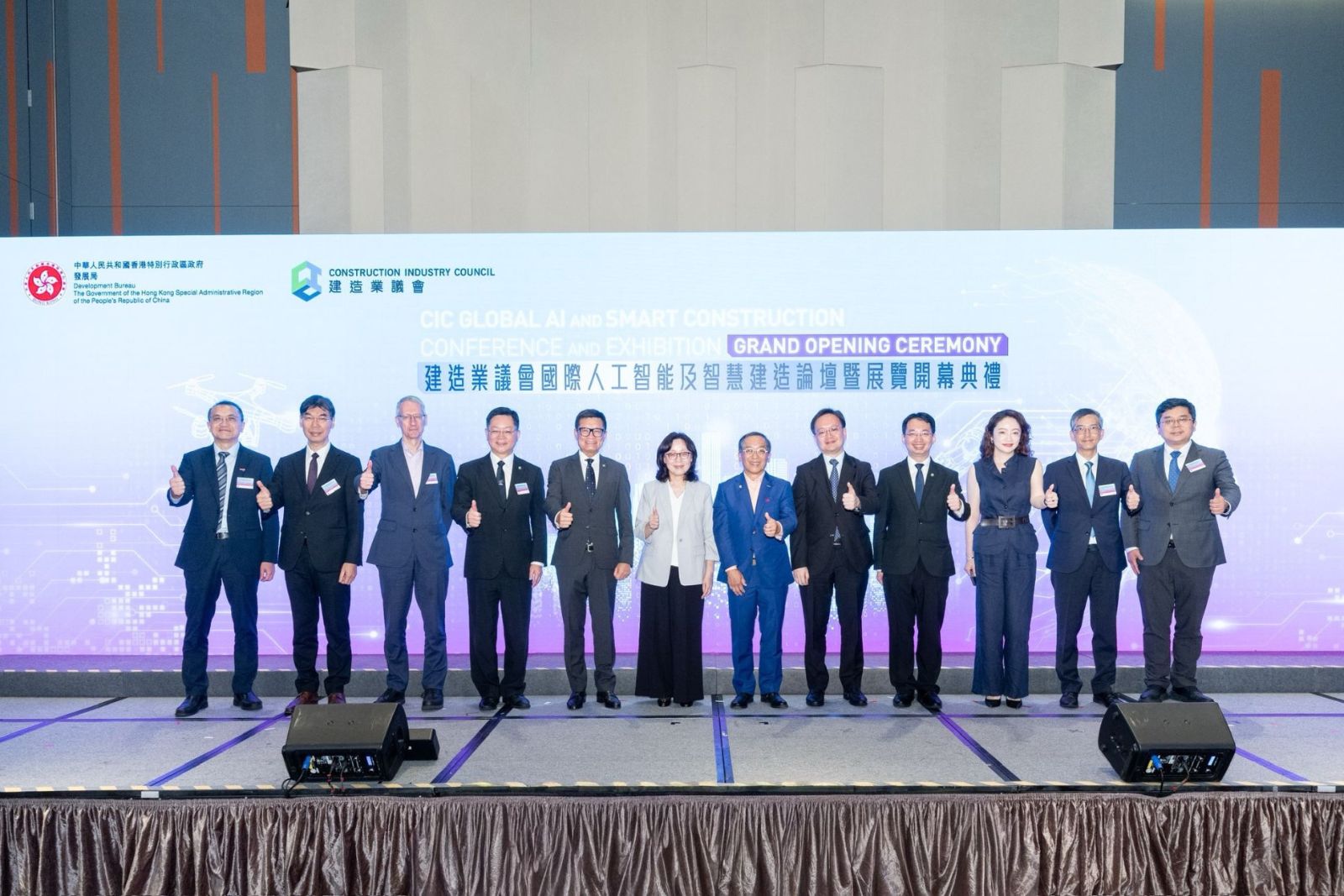
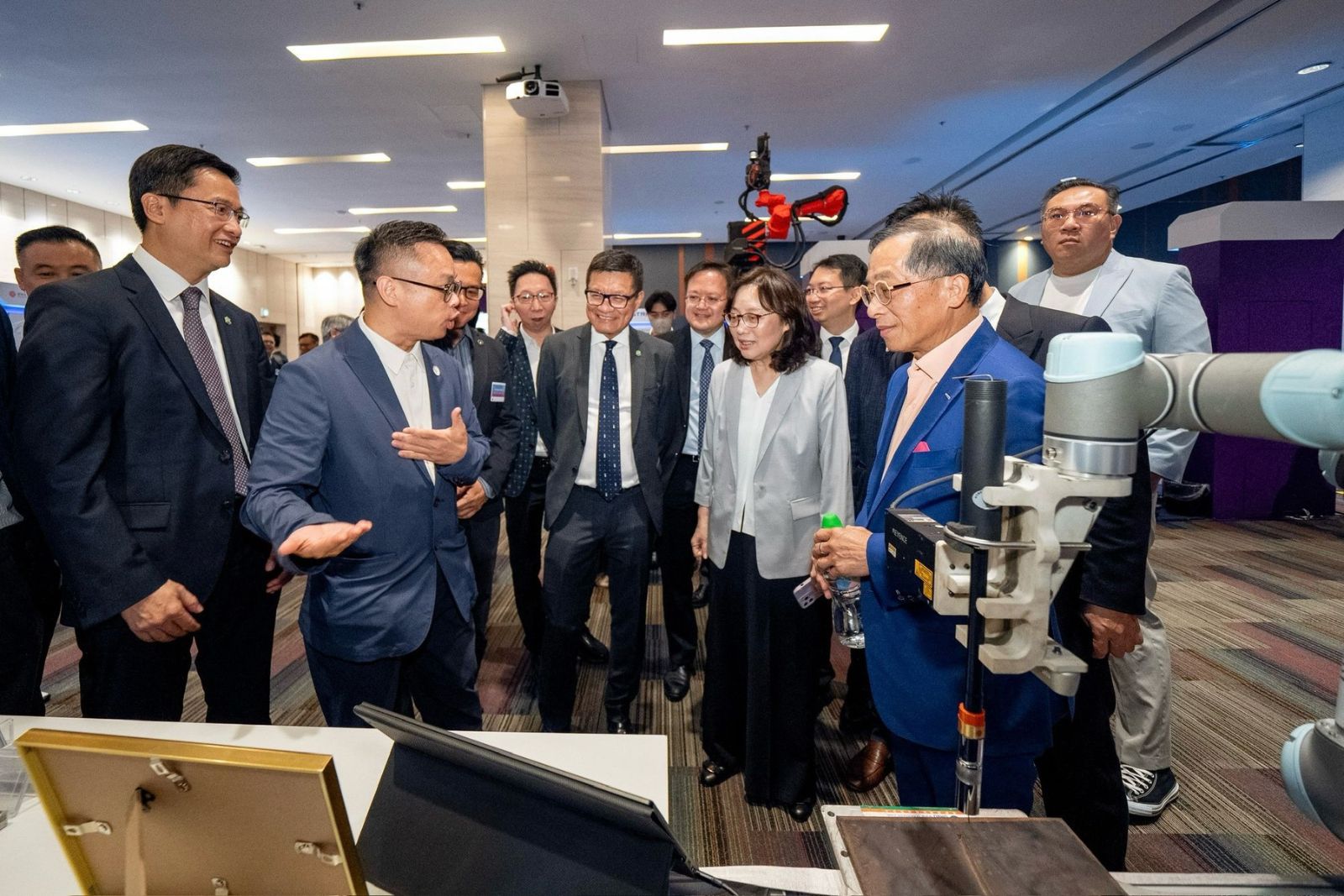
The "Global AI and Smart Construction Conference and Exhibition 2026" (GASCCE), the CIC’s first large-scale international forum and exhibition themed around AI, recently successfully concluded. The event brought together over 40 internationally renowned speakers from the Government, global enterprises, academia, and technology institutions to provide in-depth analyses on how AI can propel the transformation and upgrading of the construction industry.
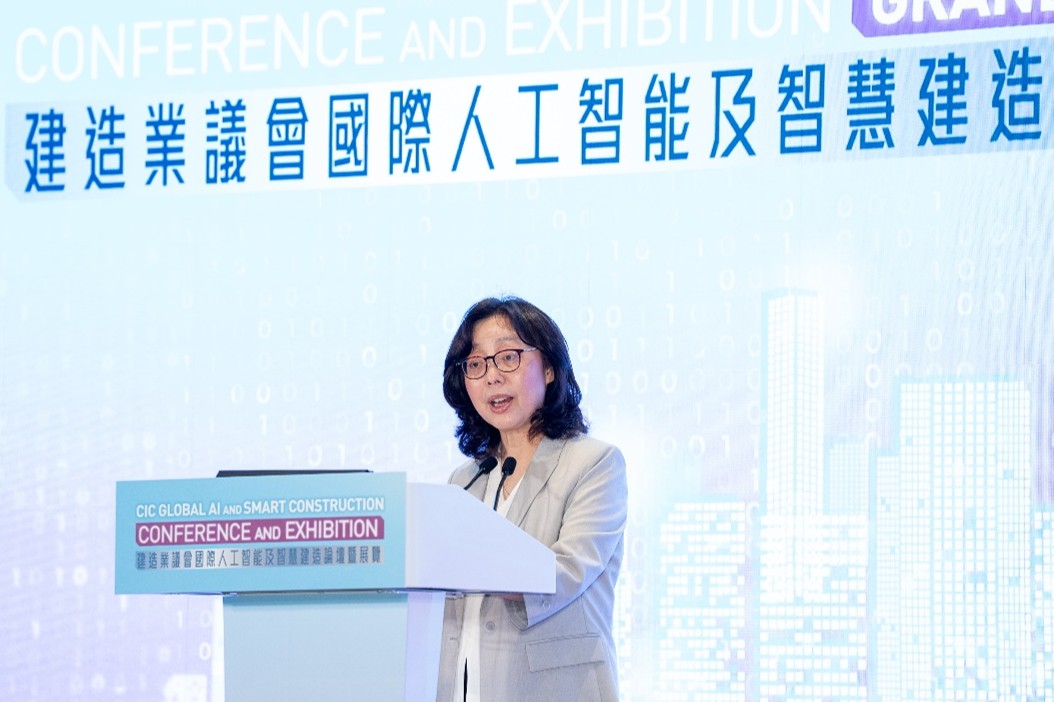
Ms. Bernadette LINN, Secretary for Development, stated that Hong Kong is aligning with the national strategy of high-quality development through its first Five-Year Plan. The Development Bureau (DEVB) is taking forward a massive volume of construction projects, actively introducing and adopting new technologies and innovative materials from the Mainland and overseas, and providing practical application scenarios to showcase successful paradigms to the world. She reiterated that AI will not replace humans; rather, it serves as "Augmented Intelligence" that assists the industry in working more safely and efficiently. The Government's determination and concrete actions have provided a clear direction and solid support for our industry's transformation.
Ir Ricky LAU, Permanent Secretary for Development (Works), clearly outlined the practical direction for digital transformation. Construction robotics have been widely deployed in public works to enhance site efficiency, cost-effectiveness, safety, and project quality. DEVB also mandates the application of designated high-efficiency AI technologies in suitable public works projects.
Ir Prof. Alfred SIT, Chairperson of the CIC Committee on Smart Construction, proposed three strategic directions: firstly, prioritising industry pain points (such as site decision-making, cross-phase coordination, and reducing rework); secondly, validating solutions through government pilot projects, supported by clear key performance indicators (KPIs); and thirdly, upskilling the workforce by translating validated practices into practical guidelines, enabling widespread adoption with clarity and confidence.
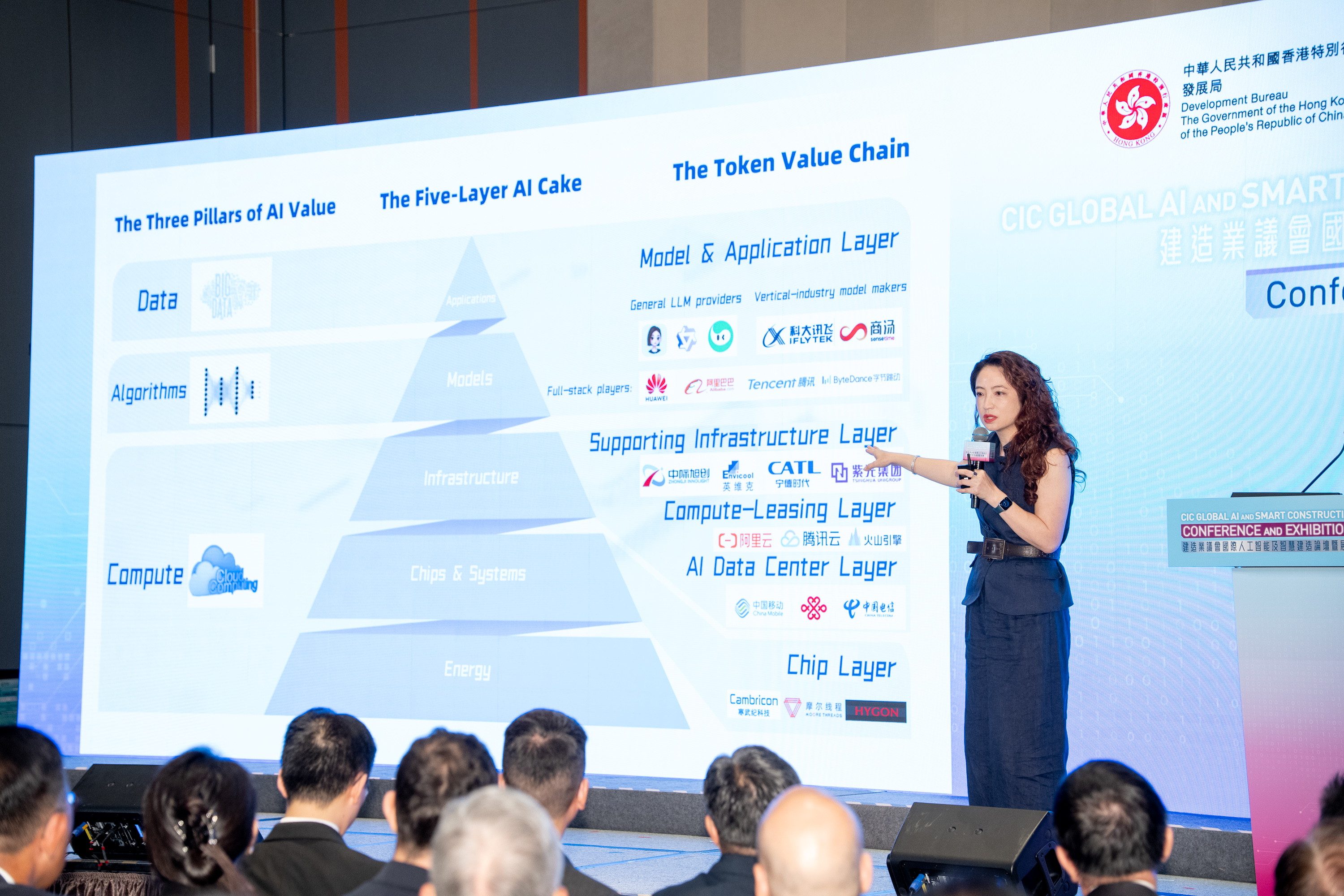
Dr. Doranda DOO, Founding President of the Guangdong Artificial Intelligence Industry Association, pointed out that AI application is a step-by-step journey —progressing from the tool layer to the process, organisation, and ultimately, the strategic layer. In practical terms, AI can facilitate standardised design, optimise workflow scheduling, predict equipment maintenance needs, and digitalise workforce management, thereby shifting project management from reactive responses to proactive forecasting. Citing Harvard University research, she emphasised that the true value of AI lies in unlocking human potential, allowing individuals to focus on higher-value professional judgment and collaboration.
Leveraging the unique advantages of "One Country, Two Systems", Hong Kong's construction industry can combine the Mainland's top-tier scientific research capabilities with our local international perspective to jointly drive the implementation and export of smart construction technologies. Prof. LU Xin-zheng from the Department of Civil Engineering at Tsinghua University shared cutting-edge achievements of generative AI in engineering design. He noted that as engineering design remains highly human-reliant, enhancing efficiency is a critical priority for the sector.
GASCCE successfully pooled collective wisdom, connecting the Government, academia, and the industry to translate international perspectives into local actions and innovative technologies into everyday practices. The CIC is not merely an event organiser, but a catalyst for industry transformation. Beyond industry leaders, the CIC has also integrated the "CIC AI Assistant (Construction Safety)" into the CIC App, specifically designed for frontline personnel, serving the 150,000 craftsmen using the application. Moving forward, the CIC will continue to focus on driving innovation and technology, accelerating digital adoption in the construction industry, and facilitating the practical application of smart construction technologies through cross-sector collaboration and international exchange.
Drawing on International Experience to Forge Local Solutions
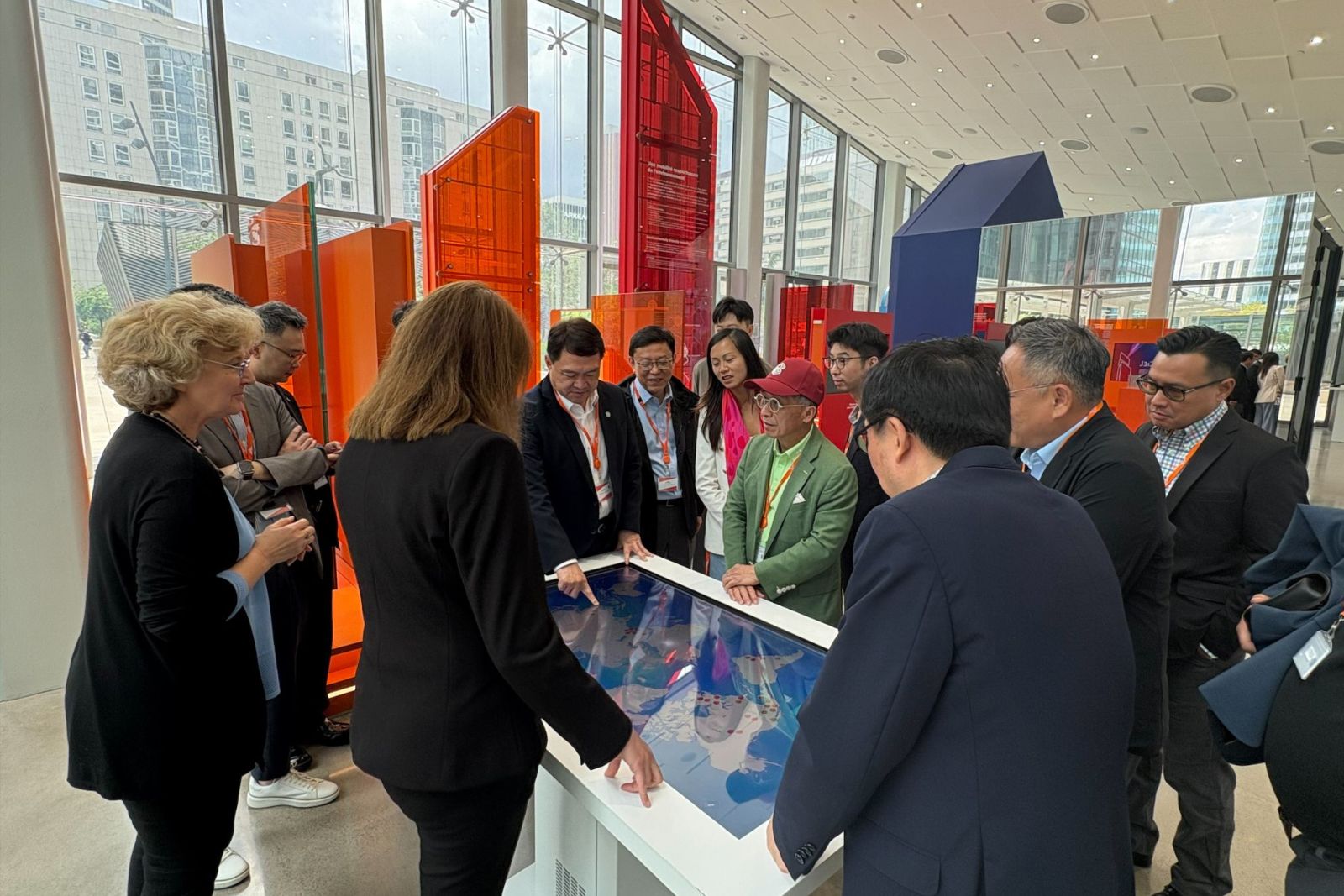
Last month, I led a CIC delegation to France and the United Kingdom to observe firsthand the mature applications of AI, digitalisation, robotics, and low-carbon solutions, bringing back valuable reference points for Hong Kong’s industry transformation.
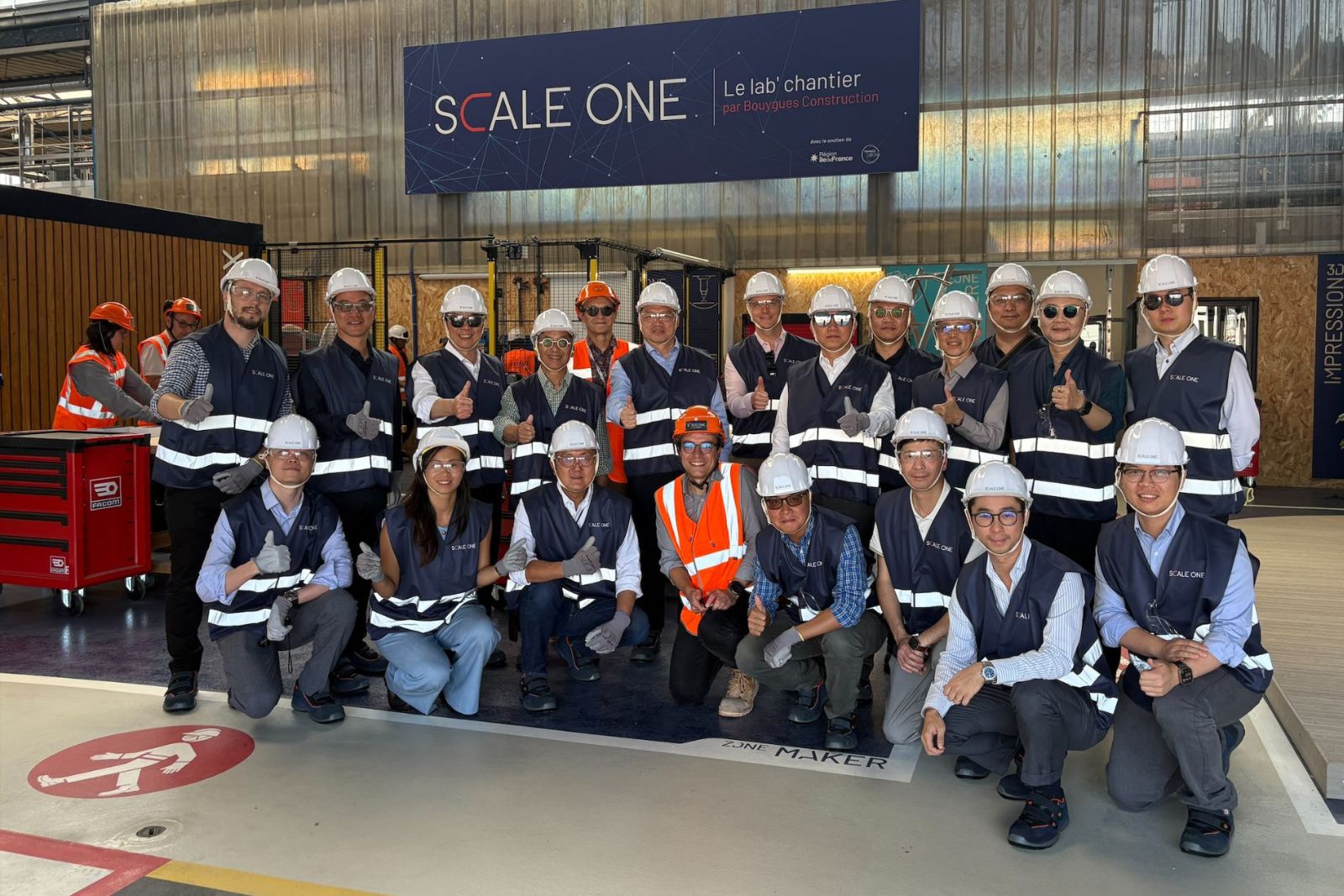
In France, we visited VINCI’s innovation platform, Leonard, to understand how start-up incubation mechanisms translate innovative ideas into on-site technologies. We toured Bouygues Construction’s Scale One Site to witness new technologies being tested and validated in real-world environments, as well as visited Schneider Electric and the Saint-Gobain Tower to explore smart building management and energy-saving technologies. In the UK, we visited the Building Design Partnership (BDP) to learn about the deep application of digitalisation in project design and construction. We also toured international engineering consultancy Mace and contractor Balfour Beatty plc, conducting site visits to two HS2 high-speed rail projects to see how mega-infrastructure utilises digital delivery and site safety management systems. Furthermore, we visited the University of Cambridge to explore the latest AI research, and our team participated in Digital Construction Week, engaging with over 150 exhibitors and learning about the Development Bureau’s in-house developed site monitoring platform, "SmartEye".
The objective of this study tour was not to adopt international practices wholesale, but to extract the elements most suitable for Hong Kong, identifying actionable and implementable directions for our local context. The CIC will continue to translate these insights into concrete actions, allowing global perspectives to take root in Hong Kong.
Learning & Teaching Expo: Showcasing the Industry's Future to the Younger Generation
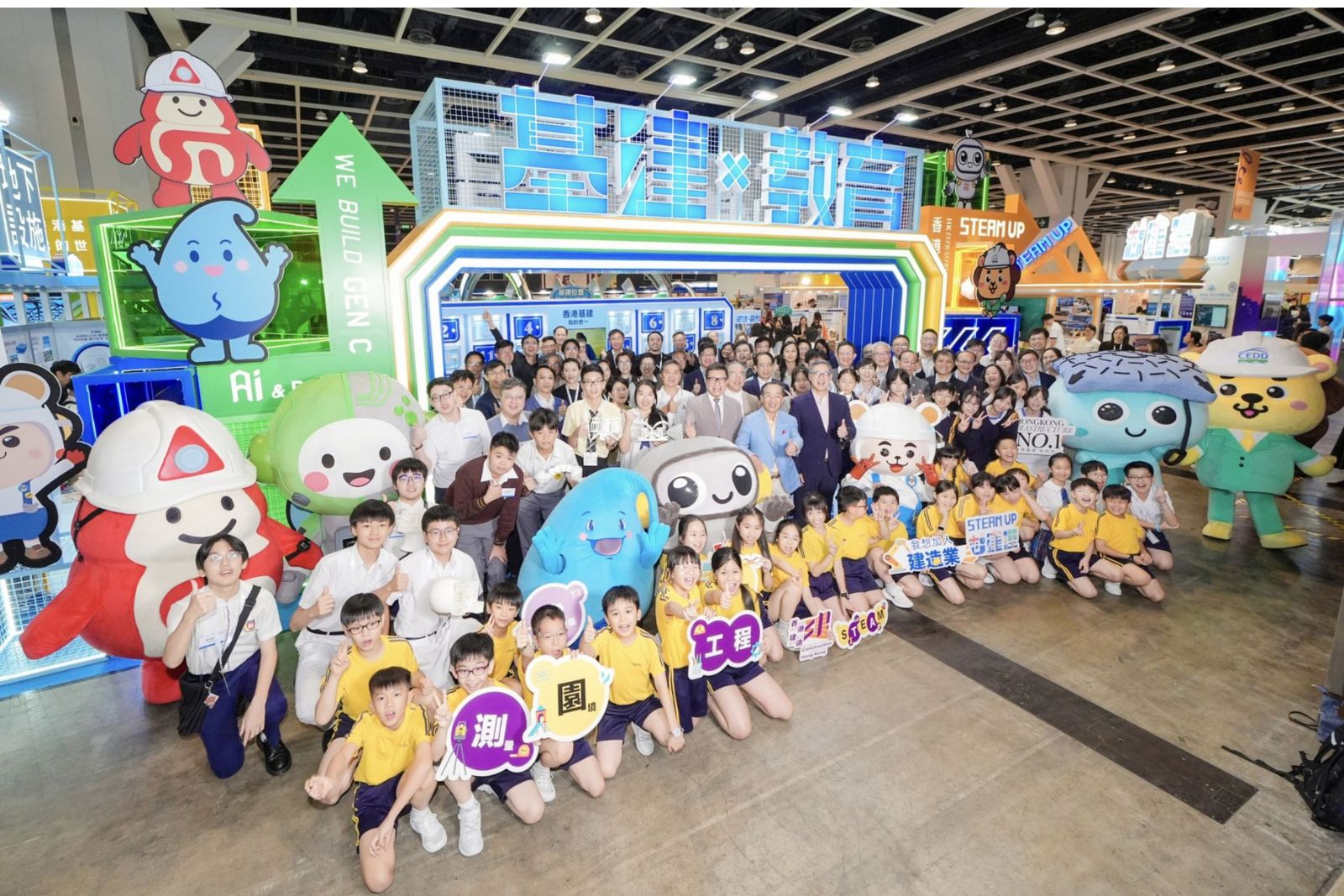
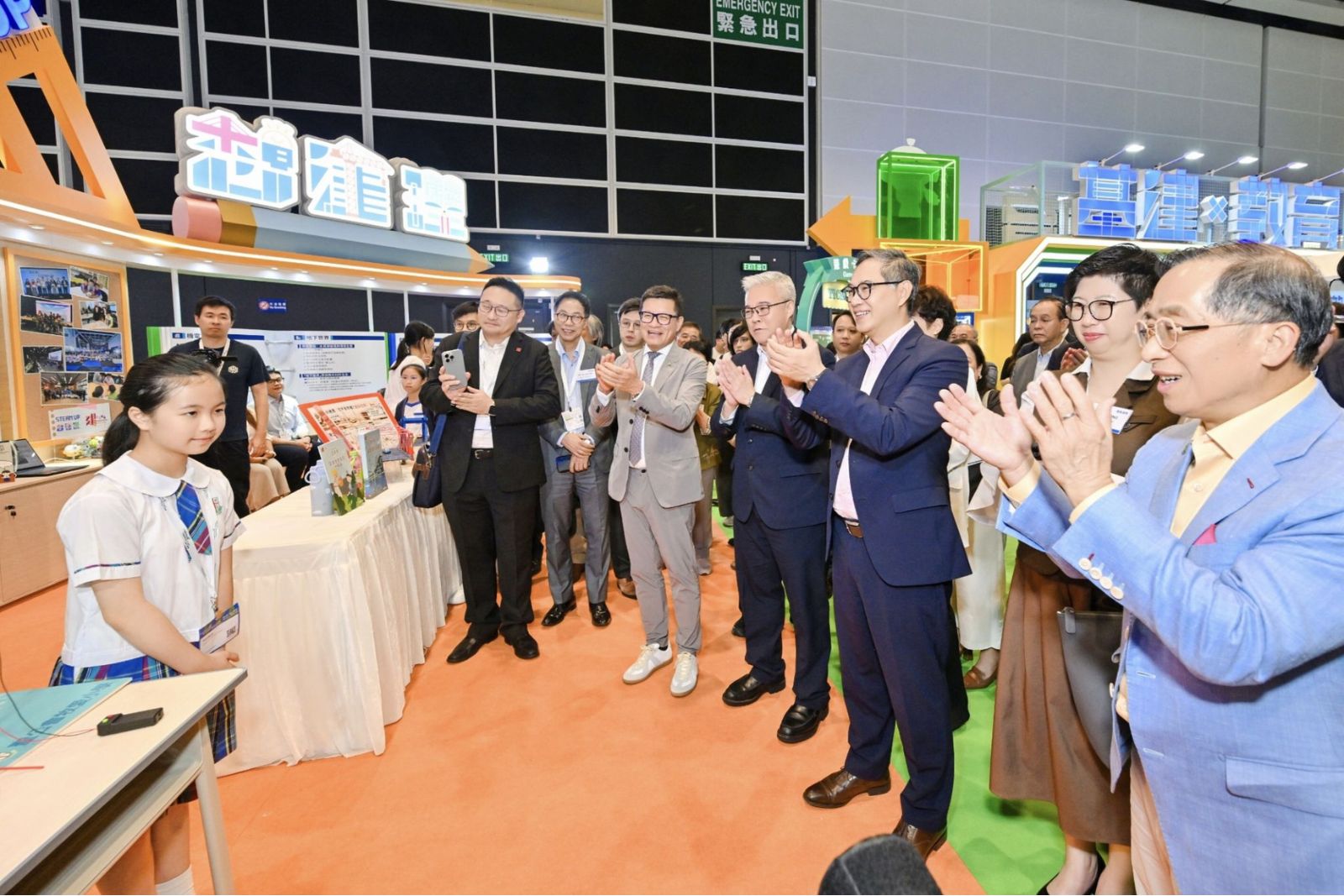
In addition to supporting industry transformation, the CIC places equal importance on nurturing future talent. At the "Learning & Teaching Expo 2026" (LTE), the CIC partnered with the Development Bureau under the theme of "Infrastructure x Education". Utilising Hong Kong's world-class infrastructure as a platform, we promoted STEAM education, talent cultivation, and career planning. The event successfully encouraged schools to utilise the "STEAM UP" learning materials and allowed more young people to understand the pioneering technologies in AI and robotics within the construction sector, thereby inspiring them to consider construction-related careers in the future. Seeing primary school students passionately explaining construction work and its significance proved that the modernised image of the construction industry is successfully resonating with the younger generation.
Young people possess boundless creativity and fresh perspectives; they are the driving force behind the industry's future innovation and transformation. I look forward to using platforms like LTE to show more young people the diversity and potential of the construction industry, inspiring them to choose construction professions when planning their careers, injecting fresh blood into the sector, and collaboratively building the future of Hong Kong.
Empowering SMEs to Embrace a Smart Future
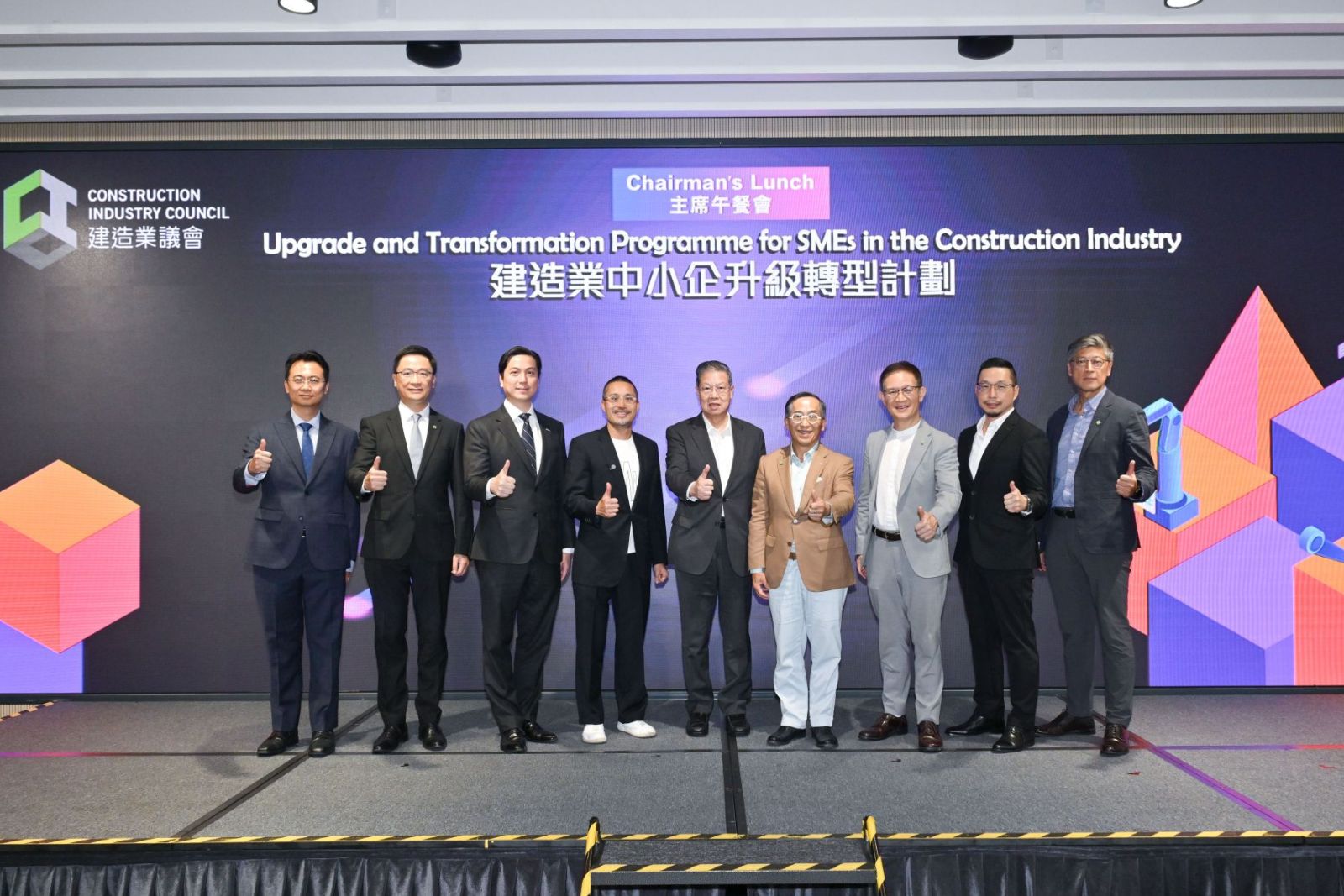
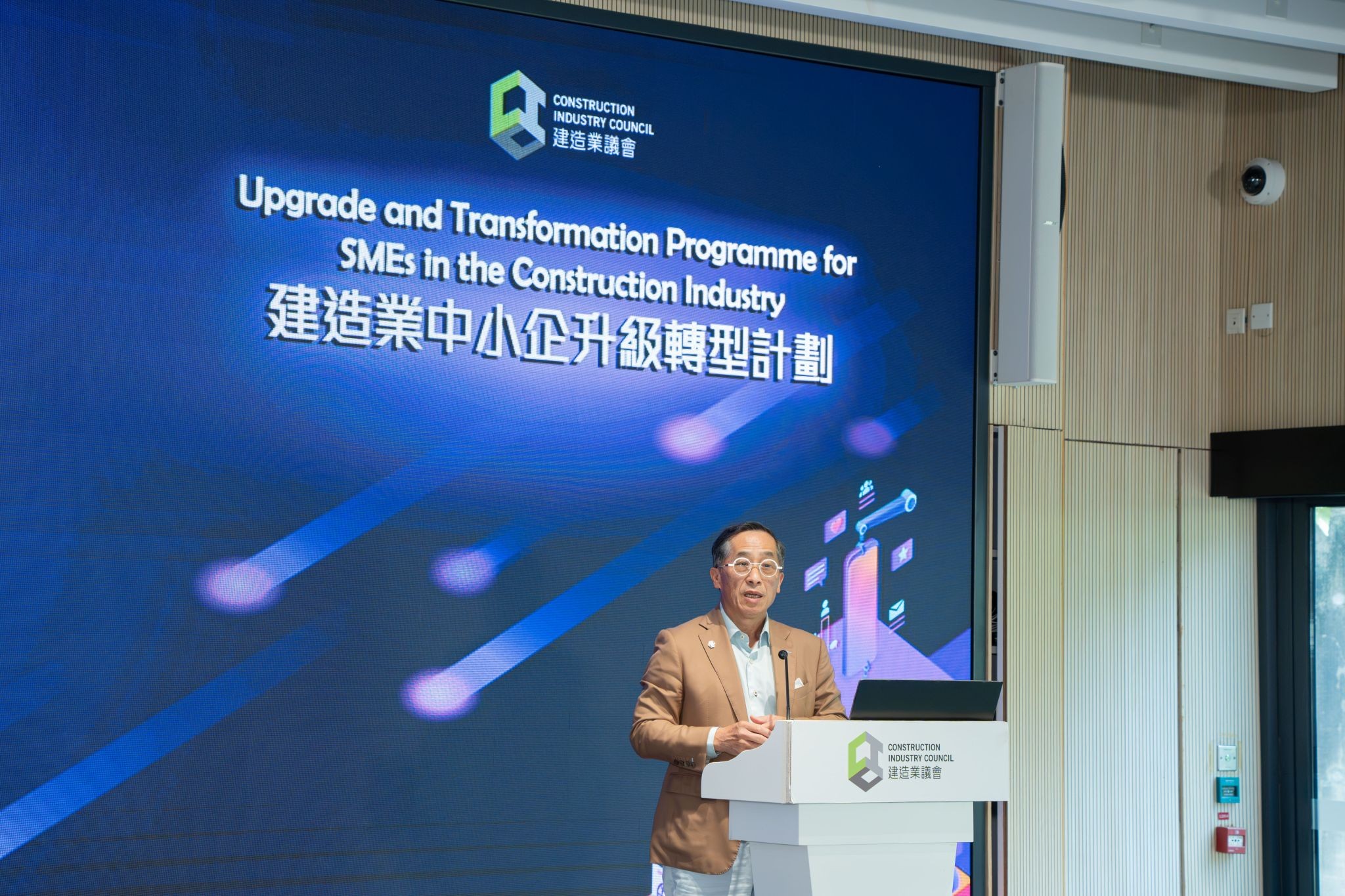
Last month, the CIC hosted a Chairman's Lunch themed around the "Upgrade and Transformation Programme for SMEs in the Construction Industry", focusing on helping SMEs leverage innovative technologies to drive business growth. I emphasised at the luncheon that the construction industry is moving towards a technology-driven and efficiency-oriented future; SMEs must "work smarter" and actively embrace innovation. Three industry leaders shared their transformation journeys, illustrating how introducing technology on a small scale can streamline processes and boost productivity, before gradually expanding the transformation to other areas.
As AI and various innovative construction technologies mature, Hong Kong's construction industry is steadily moving towards industrialisation. Beyond transforming physical prefabricated modules into products for local and overseas markets, the industry is also exporting construction technologies in the form of software or systems by establishing standardised processes. Hong Kong already boasts a number of successful cases where traditional "engineering projects" have been transformed into replicable "standardised products", achieving scalable technological production and even expanding into global markets. In the future, the CIC will continue to support SMEs in transitioning from "awareness" to "application" through training, funding, and experience sharing, propelling the industry towards a more efficient and resilient future.
The transformation and upgrading of Hong Kong's construction industry is an inevitable process that aligns seamlessly with national development strategies. The National 15th Five-Year Plan explicitly calls for the comprehensive implementation of the "AI+" initiative, deeply integrating AI into traditional industries. Indeed, Ms. Bernadette LINN recently consulted all CIC members on the development direction of the construction industry under the 15th Five-Year Plan. This not only reflects the Government's high regard for the industry's voice but also demonstrates that the future of Hong Kong's construction sector is firmly embedded within the nation's overarching development blueprint.
Rooted in national strategies and guided by a global perspective, let us move forward, empowered by technology and anchored in craftsmanship. The CIC will continue to work hand in hand with the Government and the industry to steer Hong Kong's construction sector towards a safer, smarter, and more sustainable future.