
.jpg)
About Design for Safety
Role & Responsibility
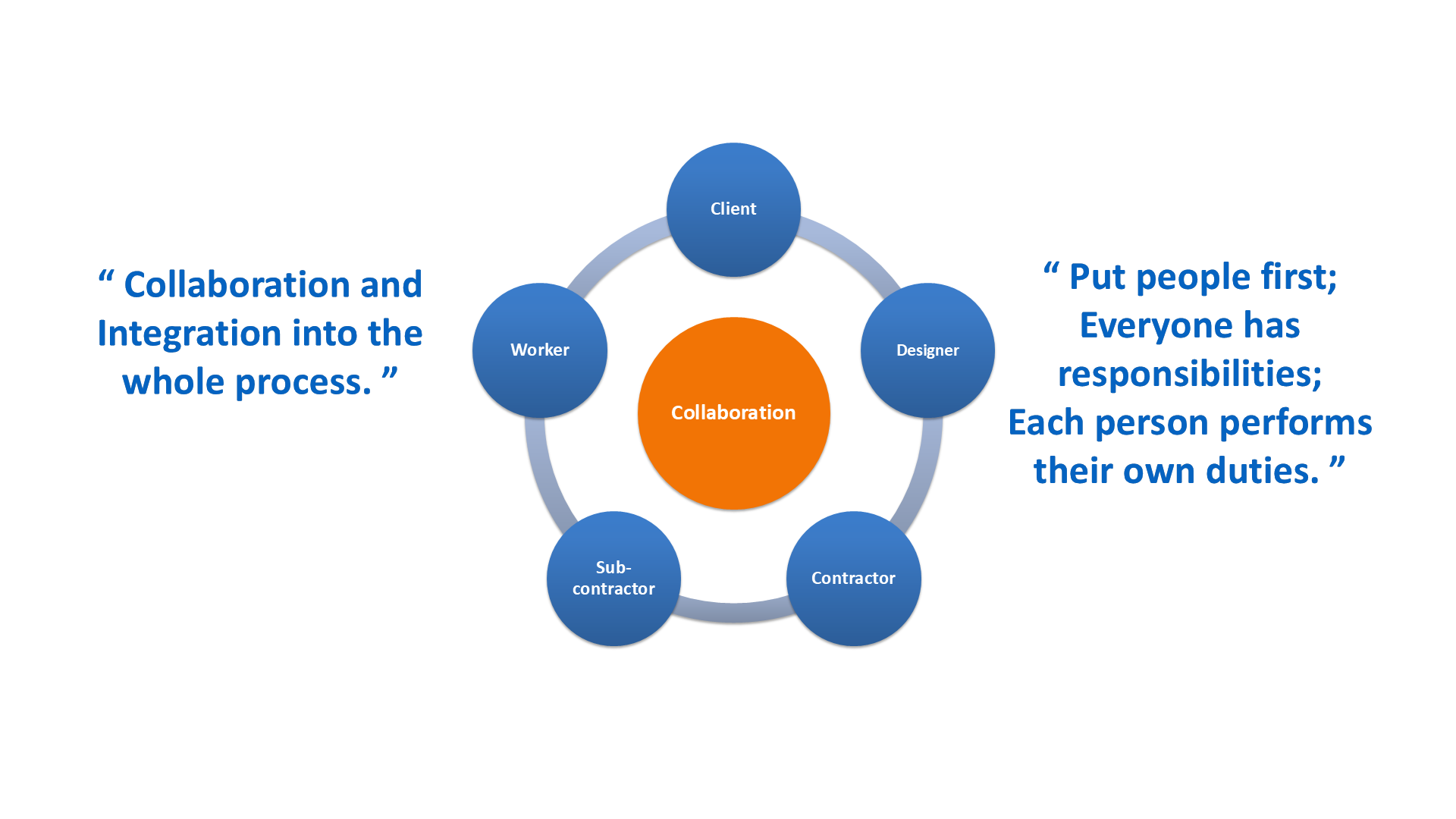
Effective DfS implementation relies on clear roles and responsibilities. Below are the expectations for the Client, Designer, and Constructor to ensure smooth integration of DfS throughout the project lifecycle.
For Client
The Client is responsible for ensuring the successful implementation of DfS by:
- Providing management support;
- Appointing and empowering key roles;
- Promoting a strong safety culture;
- Coordinating risk management; and
- Overseeing all phases from project setup through completion.
For Designer (Functional role to coordinate DfS)
- The coordination role of the Designer, appointed by the Client, is essential for leading and integrating DfS throughout the project. This role can be filled by a Client Representative, Architect, Authorised Person, or Project Manager;
- If the Designer lacks DfS capabilities and there are no in-house health and safety resources available, the Client can appoint a coordinator or team to handle the role; and
- The functional role ensures that DfS principles are integrated throughout the project. This role involves coordinating with stakeholders, leading DfS meetings, maintaining documentation, and using digital tools to identify and reduce risks.
For Contractor (Functional role to coordinate DfS)
- The coordination role of the Contractor, appointed by the Client, is essential for leading and integrating DfS throughout the project. This role can be filled by a Main Contractor when the project engage more than one Contractor;
- Client can also appoint a coordinator or team with functional role of DfS if there is lack of DfS capability of Main Contractor; and
- The functional role and responsibilities of a Main Contractor involves ensuring collaboration and communication among all stakeholders throughout the construction phase, managing health and safety risks, and maintaining compliance with safety protocols.
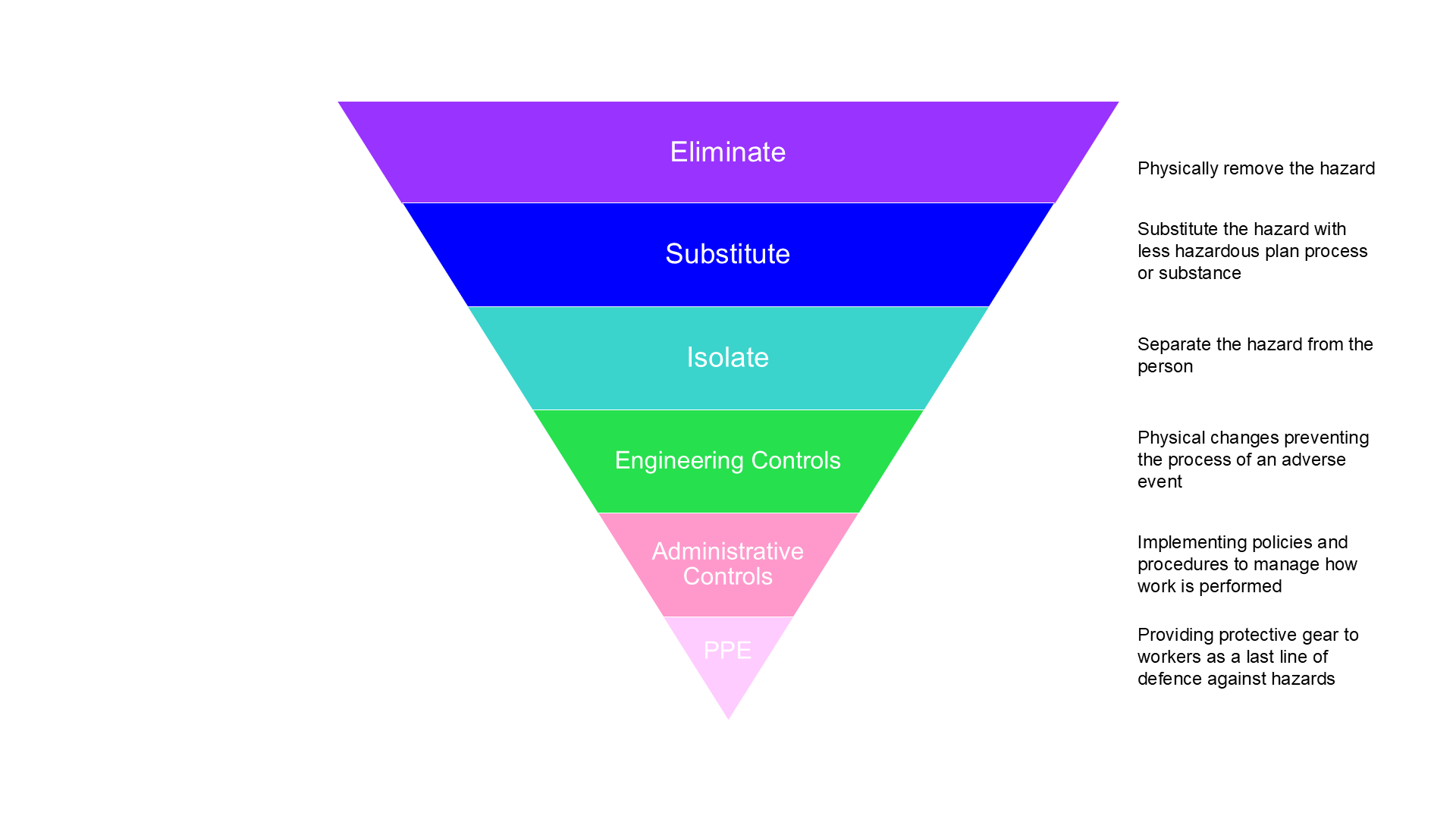
How to identify, assess, and control risks using the reasonably practicable approach
We can produce a safe design through:
- Consultation, engagement and drawing on experiences
- Analysis of asset interfaces to identify hazards
- Eliminate hazard or minimise risks
- Use of Hierarchy of Control
- Life of the asset
Design for Safety Pilot Run Scheme
In May 2020, the Construction Industry Council (CIC) set up a Task Force on Design for Safety and a roadmap on the implementation of Design for Safety in the Hong Kong Construction Industry was agreed. One main element in this roadmap is to develop a Design for Safety Management System and training programmes applicable to various types of construction projects in the Hong Kong Construction Industry. The Design for Safety Pilot Run Scheme was officially launched in 2024.
Phase 1 Launched on 26 July 2024
Participating Organisations (in alphabetical order)
Airport Authority Hong Kong
Chevalier (Construction) Company Limited
Civil Engineering and Development Department
Electrical and Mechanical Services Department
Henderson Land Development Company Limited
Hong Kong Housing Society
The Hongkong Electric Co., Ltd.
Urban Renewal Authority
Phase 2 Launched on 15 May 2025
Participating Organisations (in alphabetical order)
Architectural Services Department
BYME Engineering (Hong Kong) Ltd.
Civil Engineering and Development Department
Hong Kong Adventist Hospital
Hong Kong Housing Authority
MTR Corporation Limited
Sanfield Building Contractors Limited
Swire Properties Limited
The Hongkong Electric Co., Ltd.
Union Contractors Limited
Water Supplies Department
Master Flowchart of DfS Implementation

The overview, implementation tools and relevant forms of Design for Safety are available for download in the "Reference Materials" section of this website.